
History of the Buchanan Y
History of the Buchanan Y Video
Historic locations
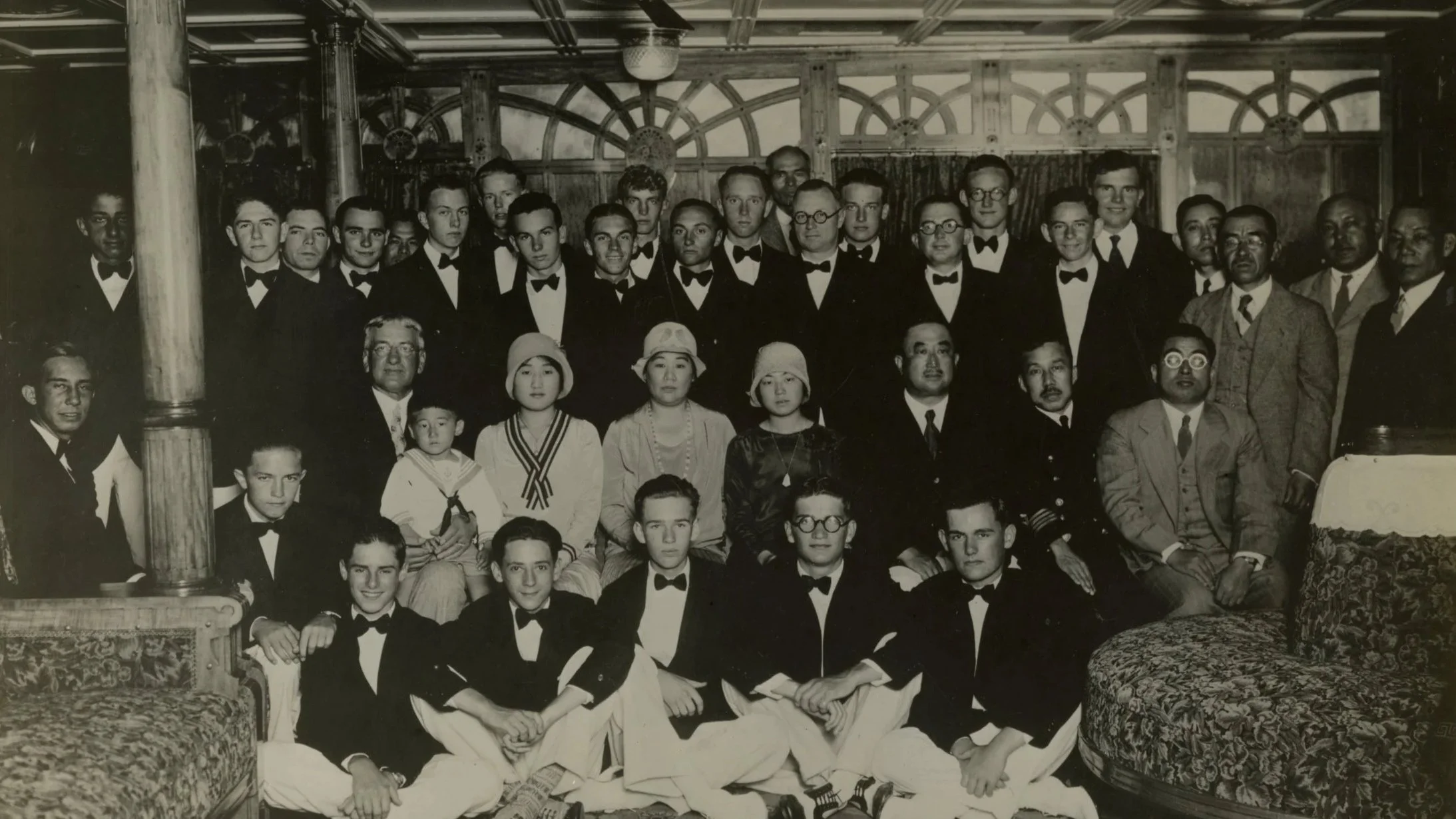
Founded in 1886 to serve San Francisco’s growing Japanese immigrant community, the Buchanan YMCA has spent more than a century adapting to the needs of its neighbors. Before finding its permanent home on Buchanan Street, the Japanese YMCA operated from several locations throughout the city, eventually moving to a residence on Sutter Street in 1926.
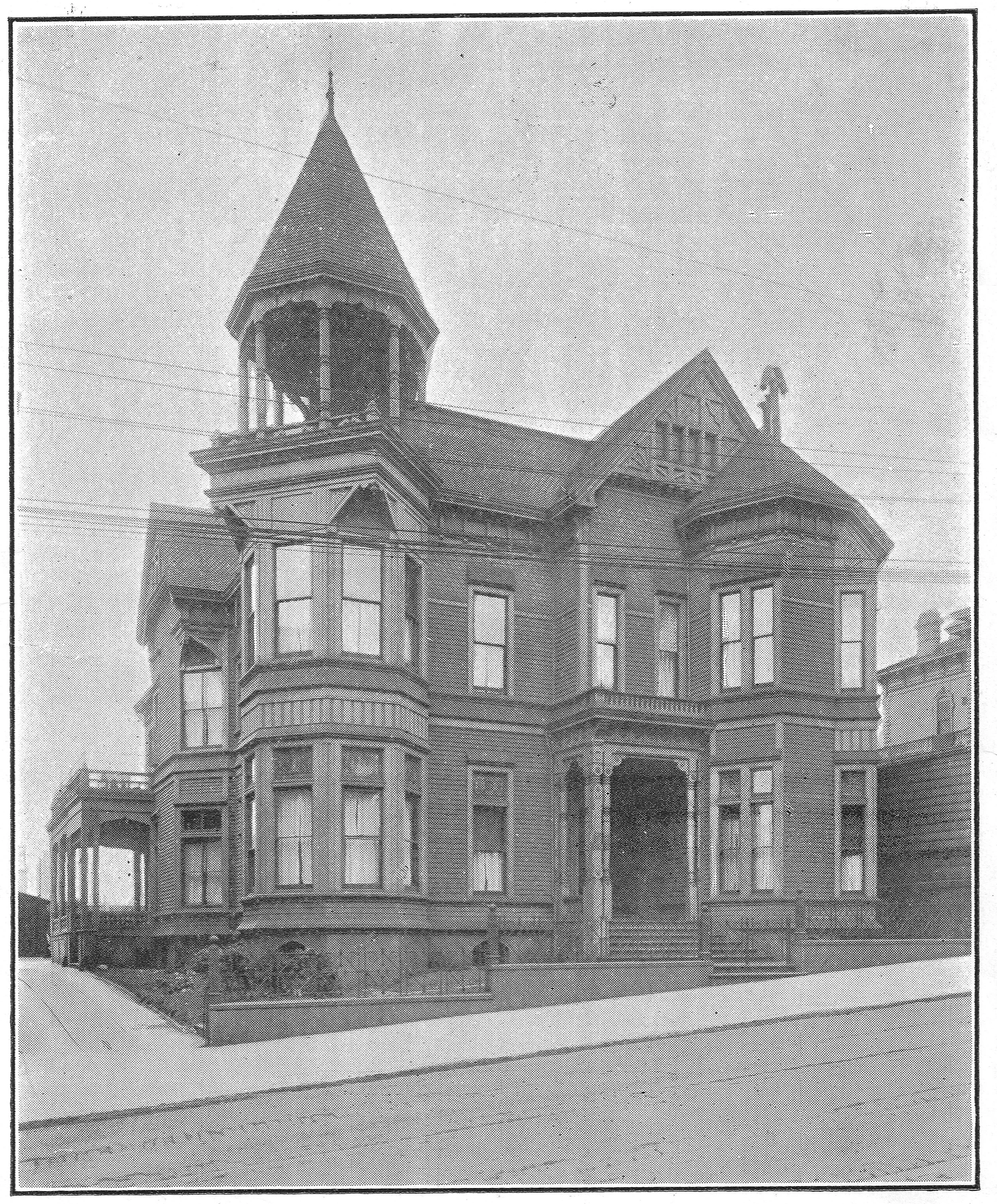
1409 sutter St ymca building in 1920As its membership grew, the community came together to fund a dedicated facility, raising $25,000 locally and receiving approximately $15,000 in support from Japan. The new building at 1530 Buchanan Street, named the Japanese YMCA opened in 1936, providing space for recreation, youth programs, community gatherings, and cultural activities.
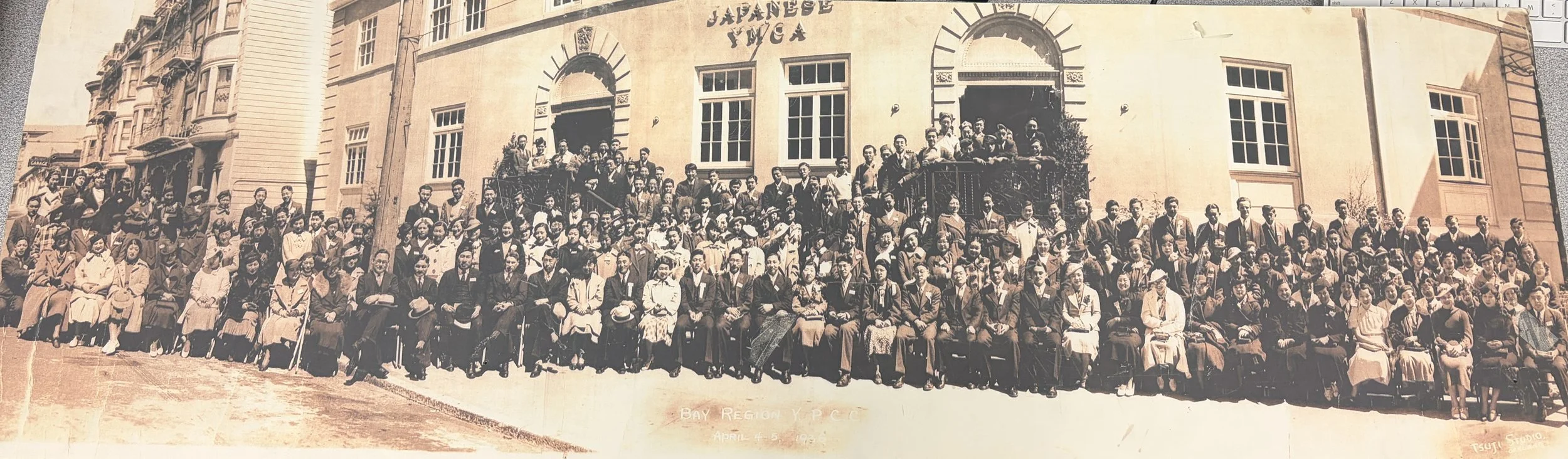
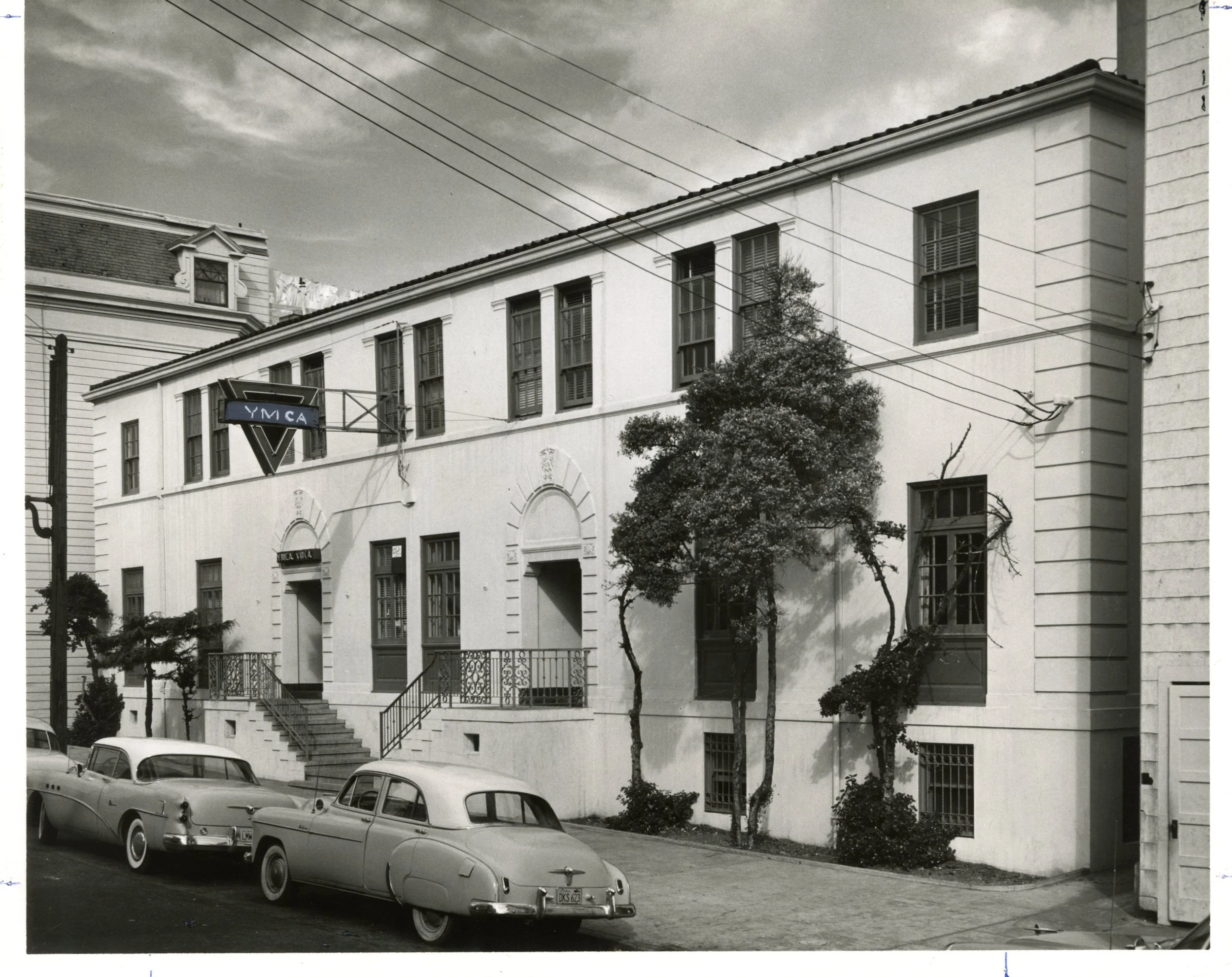
1530 Buchanan St ymca building 1940During World War II, the forced incarceration of Japanese Americans profoundly affected the YMCA and its members. From 1942 to 1946, the building served as a USO facility for African American servicemen. After the war, the YMCA reopened with a renewed commitment to serving the broader neighborhood. In 1947, it became the Buchanan YMCA and introduced interracial youth programs, bringing Japanese American and African American communities together through shared activities and services.
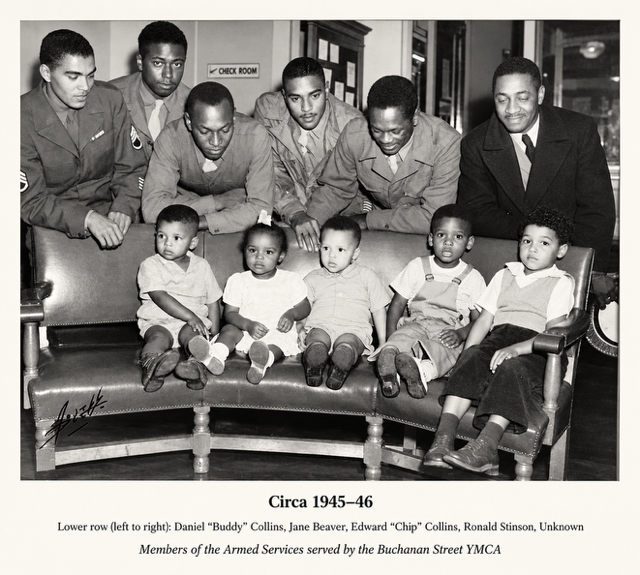
Japanese ymca serving as the uso 1942-1946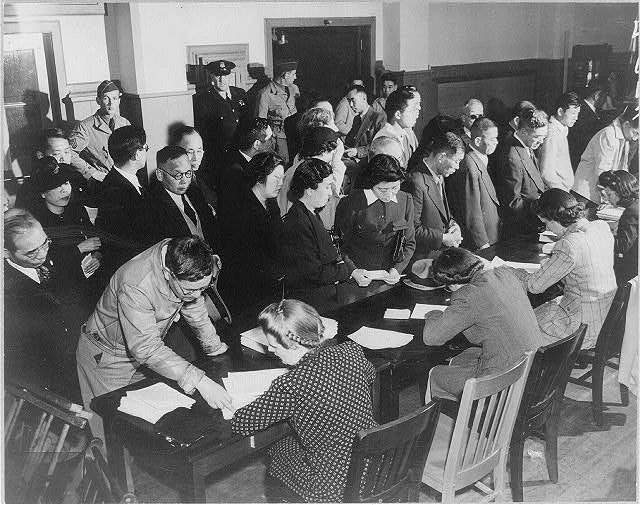
Japanese ymca internment camp registration 1942The building endured further changes as urban redevelopment transformed the Western Addition and Japantown during the 1960s. While much of the surrounding neighborhood was demolished or reshaped, the Buchanan YMCA remained a lasting presence. Today, it continues to evolve as a community resource, supporting families through social services, food assistance, youth development, and wellness initiatives. Looking ahead, the YMCA is working to reimagine its future as a vibrant neighborhood hub, building on its history of resilience, inclusion, and community-led change to meet the needs of future generations.
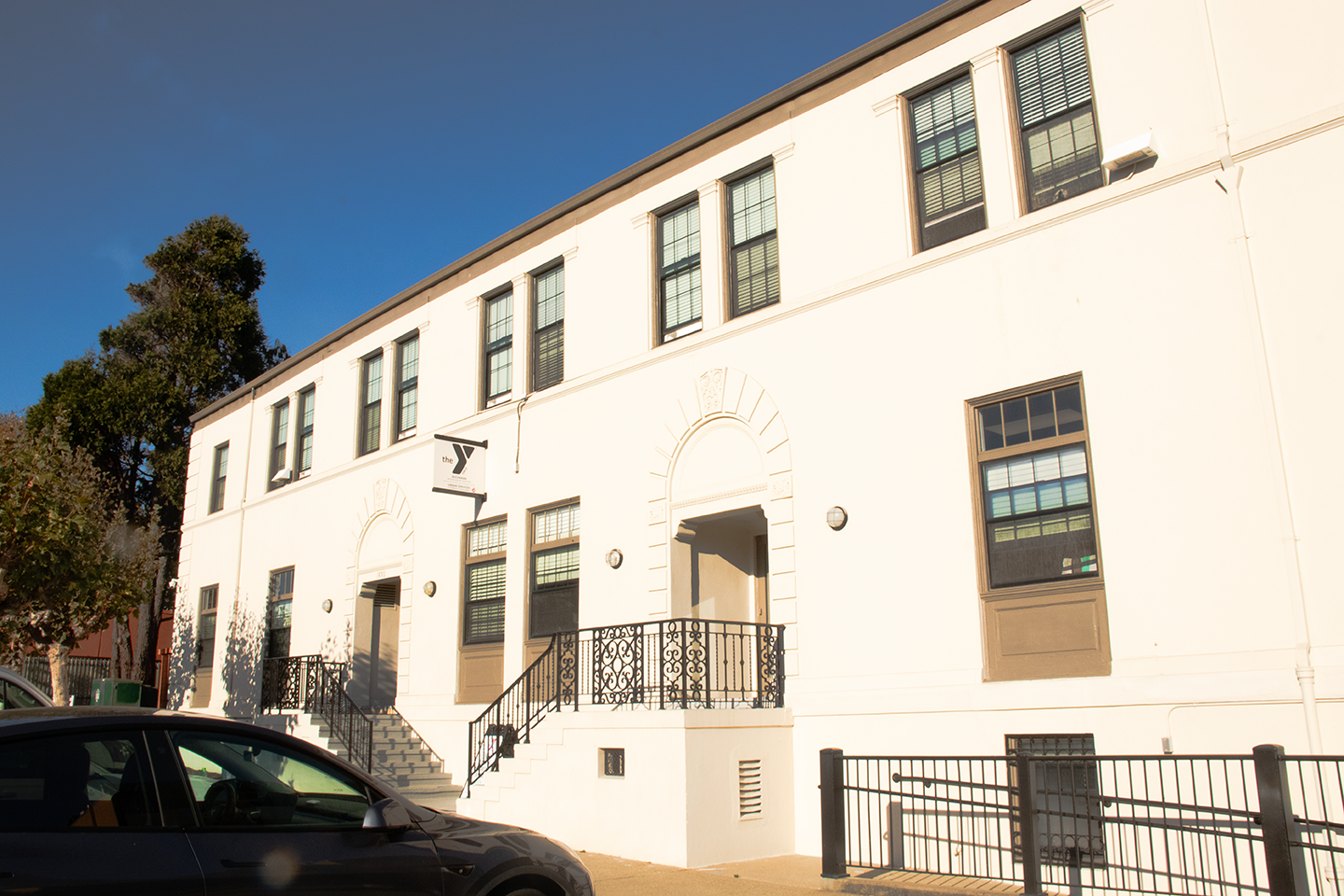
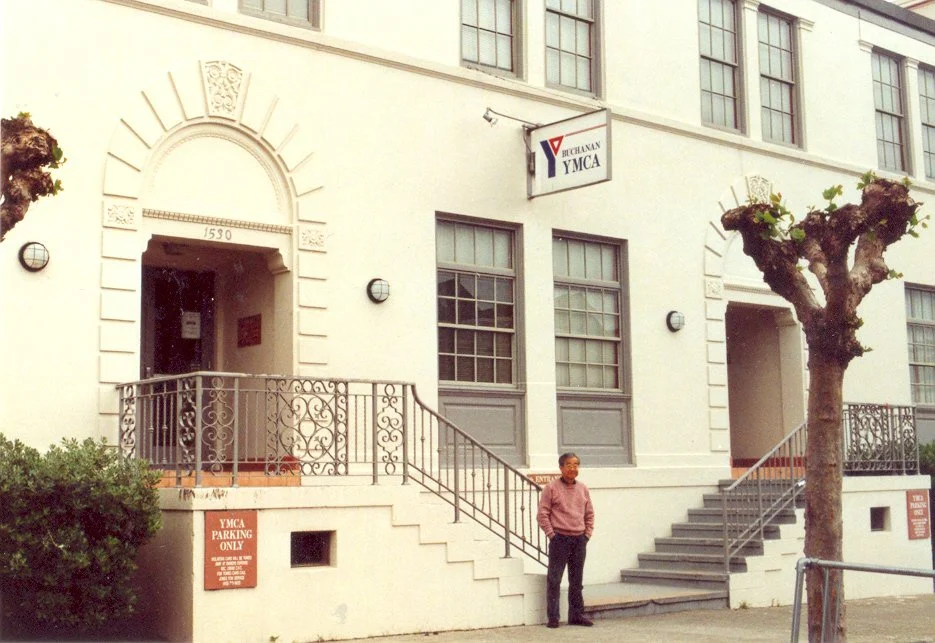
thomas tomizawa in front of buchanan ymca 2000Historic Figures
The history of Buchanan Street YMCA is shaped not only by the building itself, but by the people who fought to establish it, rebuilt its community after World War II, and expanded its role in San Francisco. These figures are included in the Buchanan Y Wall of Fame.
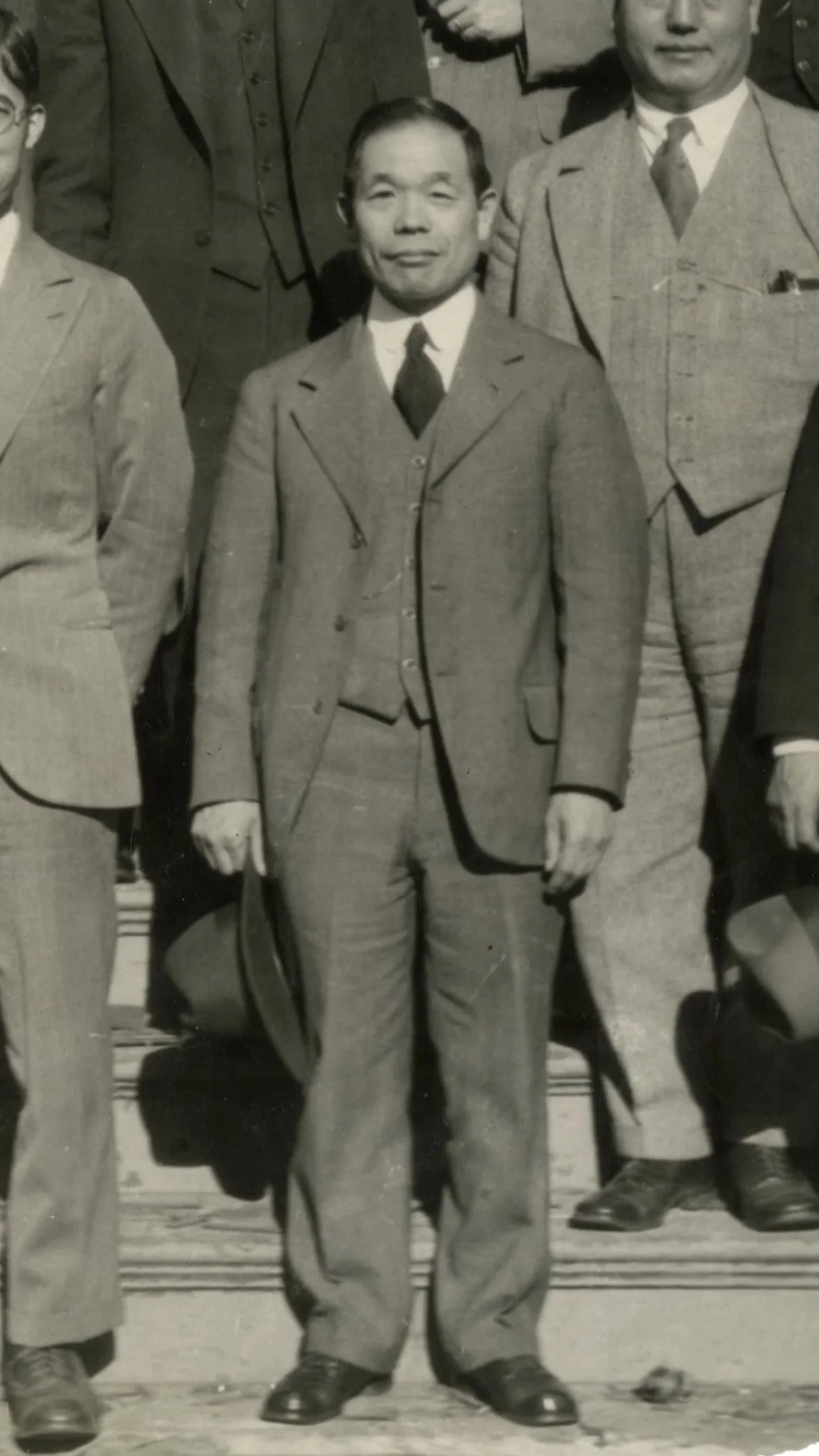
Mr. Kiyoshi Tomizawa was appointed the executive of the Japanese YMCA. He set out to raise funds to build a larger facility in order to serve the continually growing Japanese population that moved to the Western Addition after the 1906 earthquake.
Mr. Tomizawa’s advocacy for a new Japanese YMCA was fruitful in securing a commitment from the YMCA of the USA to give $75,000 to the project as a matching to the Japanese YMCA but only if they could raise $75,000 on their own.
Kiyoshi tomizawa
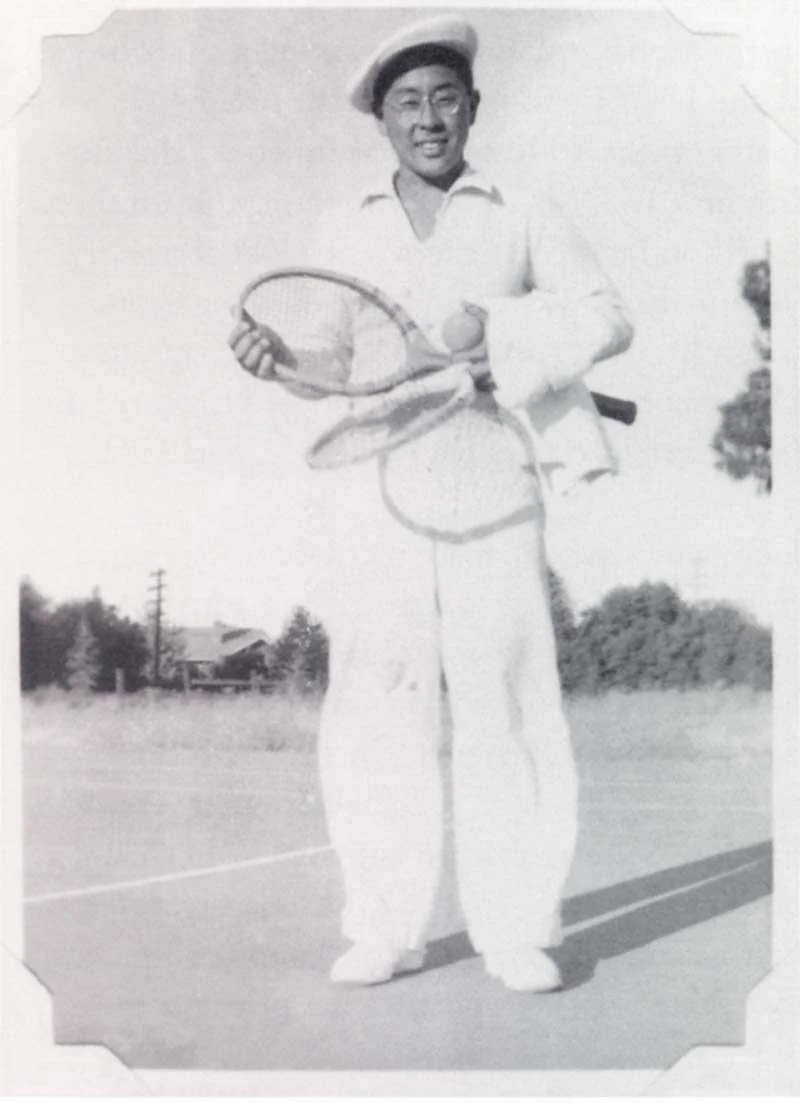
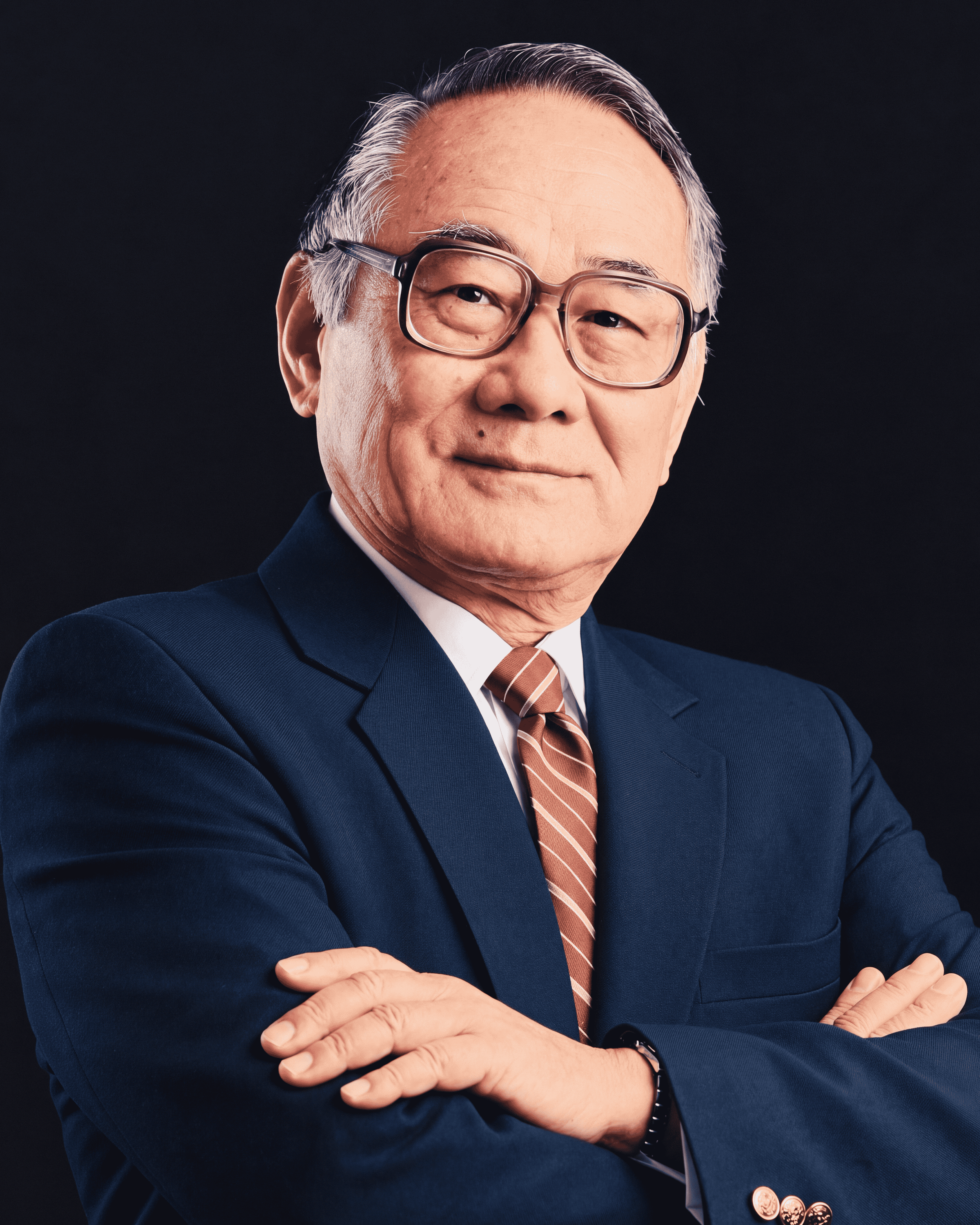
Through his over years years of service, Fred has enriched theY Movement by strengthening communities with his dedication to community outreach and engagement. Fred's continual service to underserved populations and his commitment to youth development has led to innovative and inclusive Y programs which in turn, has inspired and motivated emerging leaders across the nation to continue the act of servant leadership.
fred y. hosiyama
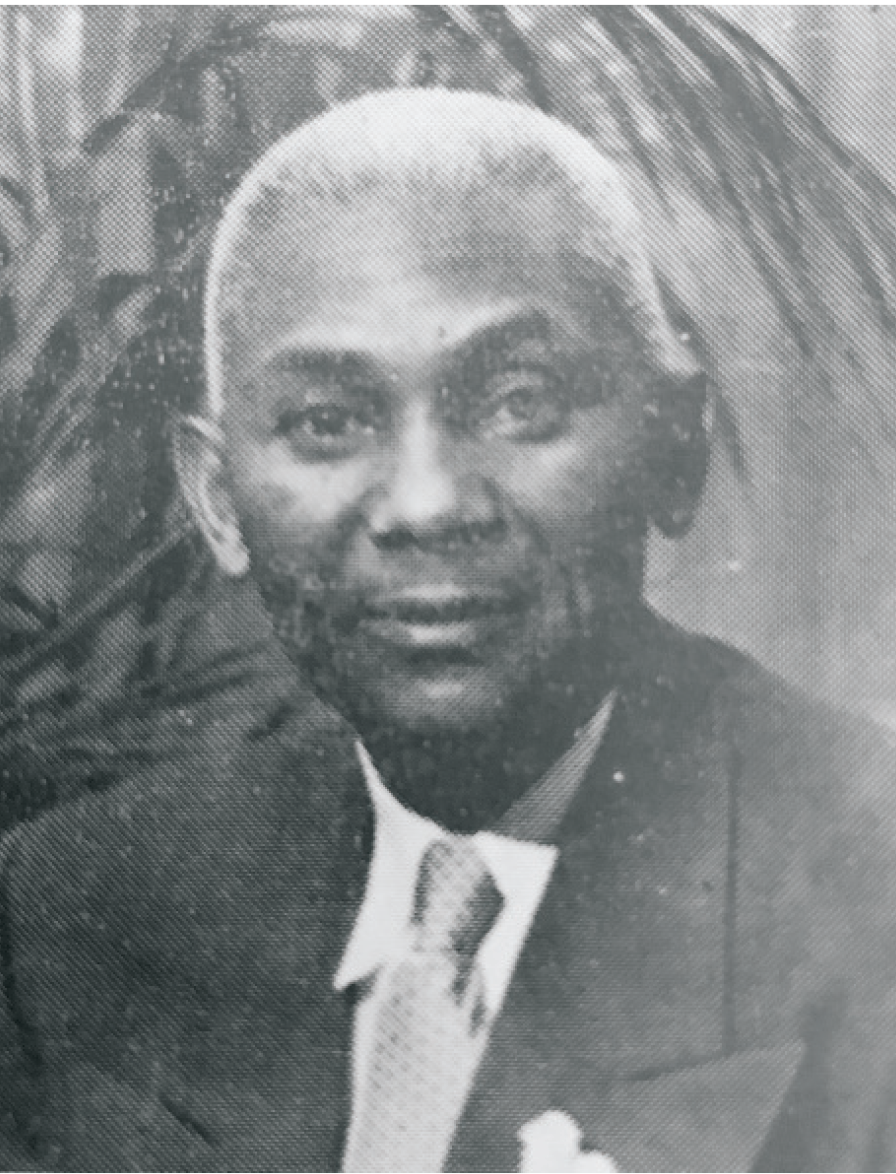
Harry r. Payne
Harry joined the Buchanan Street YMCA in 1947 as the Associate Program Director and immediately pioneered programs that served the needs of both the African American and Japanese youth residing in San Francisco's first multi-cultural community. He became the Executive Secretary of the Buchanan Street YMCA in 1958 and until his retirement in 1966, he focused on creating a community that was welcoming to a diverse population.
Yoritada Wada served as the executive of the Buchanan Y. Yori continued the ideals of the founding fathers of the Japanese YMCA and tackled the needs of the community. He took hundreds of kids to camp and influenced the lives of countless youth in the community.
He will best be remembered by his tireless efforts to make the Buchanan YMCA a neutral zone for children. He utilized the YMCA, its history, facilities, volunteers and staff to improve the human conditions.
Yoritada wada
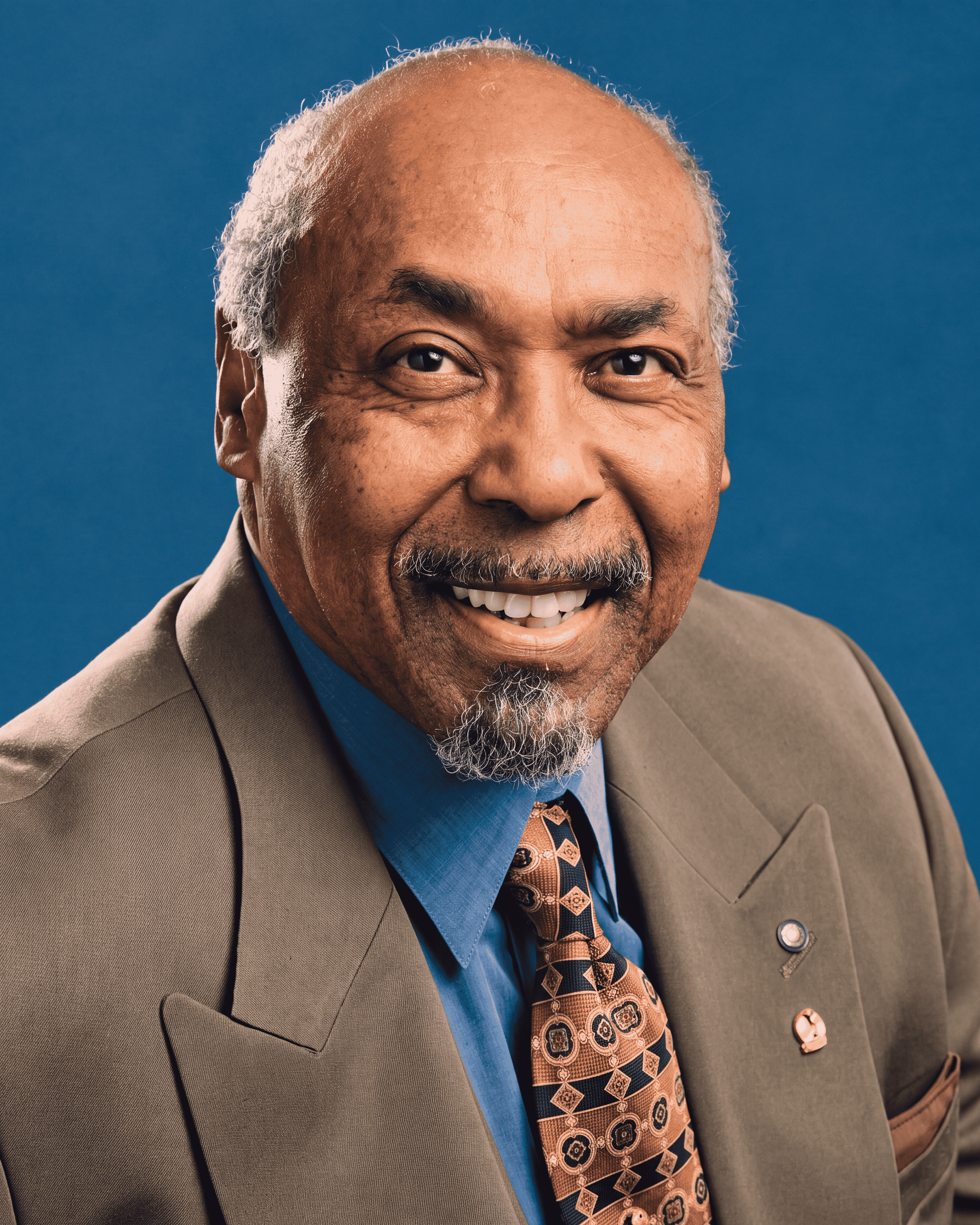
Dr. Caesar was a longtime supporter of the Buchanan YMCA, serving as chairman of its board of directors and contributing to the organization through his philanthropy and community leadership. A Tuskegee Airman and dentist who practiced in San Francisco for more than 40 years, he supported youth development and community programs through his involvement with the YMCA. In recognition of his contributions, the Buchanan YMCA named its gymnasium the Dr. Richard C. Caesar Gymnasium, honoring his lasting connection to the organization and its community.