Since 1886
Our History
The Buchanan YMCA Timeline
Built by community. Serves the community. Now, we invite you to investigate the people, places, and moments that shaped our YMCA.
1886
After the earthquake and fire destroyed their neighborhoods near Chinatown and South of Market, many Japanese residents moved to the Western Addition, forming what would become Japantown.
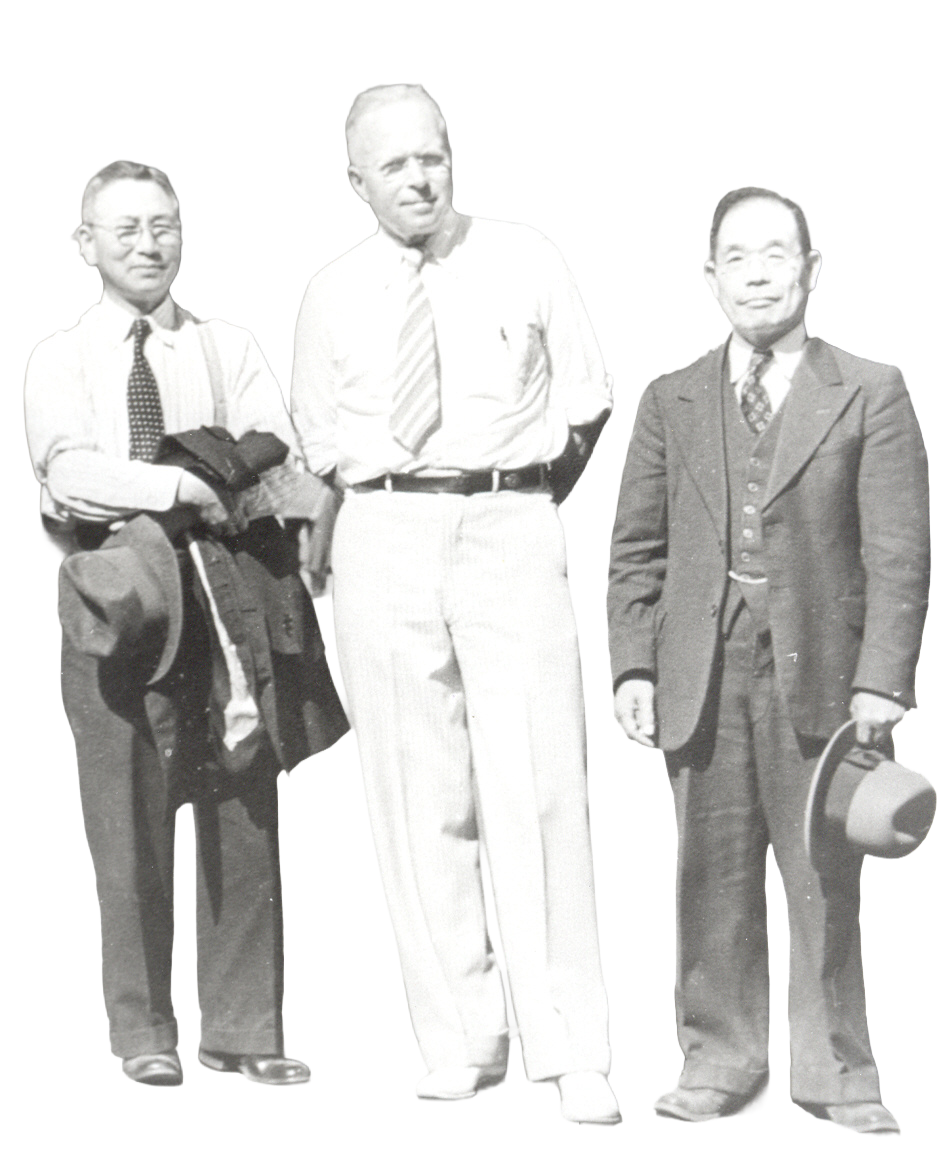
Young Japanese immigrants organized the Japanese YMCA in San Francisco with the help of Presbyterian missionary Dr. Ernest A. Sturge.
1906
1918
After a four-year pause, the Japanese YMCA was re-established as a branch of the San Francisco Metropolitan YMCA, opening at 1409 Sutter Street. Before this, it had operated as an independent YMCA. That same year, Mr. Kiyoshi Tomizawa was appointed the first executive director of the Japanese YMCA. He set out to raise funds for a larger facility to serve the continually growing Japanese population that had moved to the Western Addition after the 1906 earthquake.
1926
The Japanese YMCA purchased the land at 1530 Buchanan Street for approximately $29,650.
1935
Construction began on the new building at 1530 Buchanan Street, its current location. The building held its formal opening on September 30, 1936.
1928
A former residence at 1409 Sutter Street was officially named and adopted as the new home of the Japanese YMCA.
The Japanese YMCA had raised only $28,000 toward a new property. However, Mr. Tomizawa’s advocacy succeeded in securing a commitment from the YMCA of the USA to contribute $75,000 to the project, on the condition that the Japanese YMCA first raise a matching $75,000 on its own.
Mr. K. K. Kawakami, the former chair of the Japanese branch board who was then living in Japan, raised 30,000 yen (approximately $15,000) from supporters in Japan who wanted to help build the community in San Francisco.
1929
1930
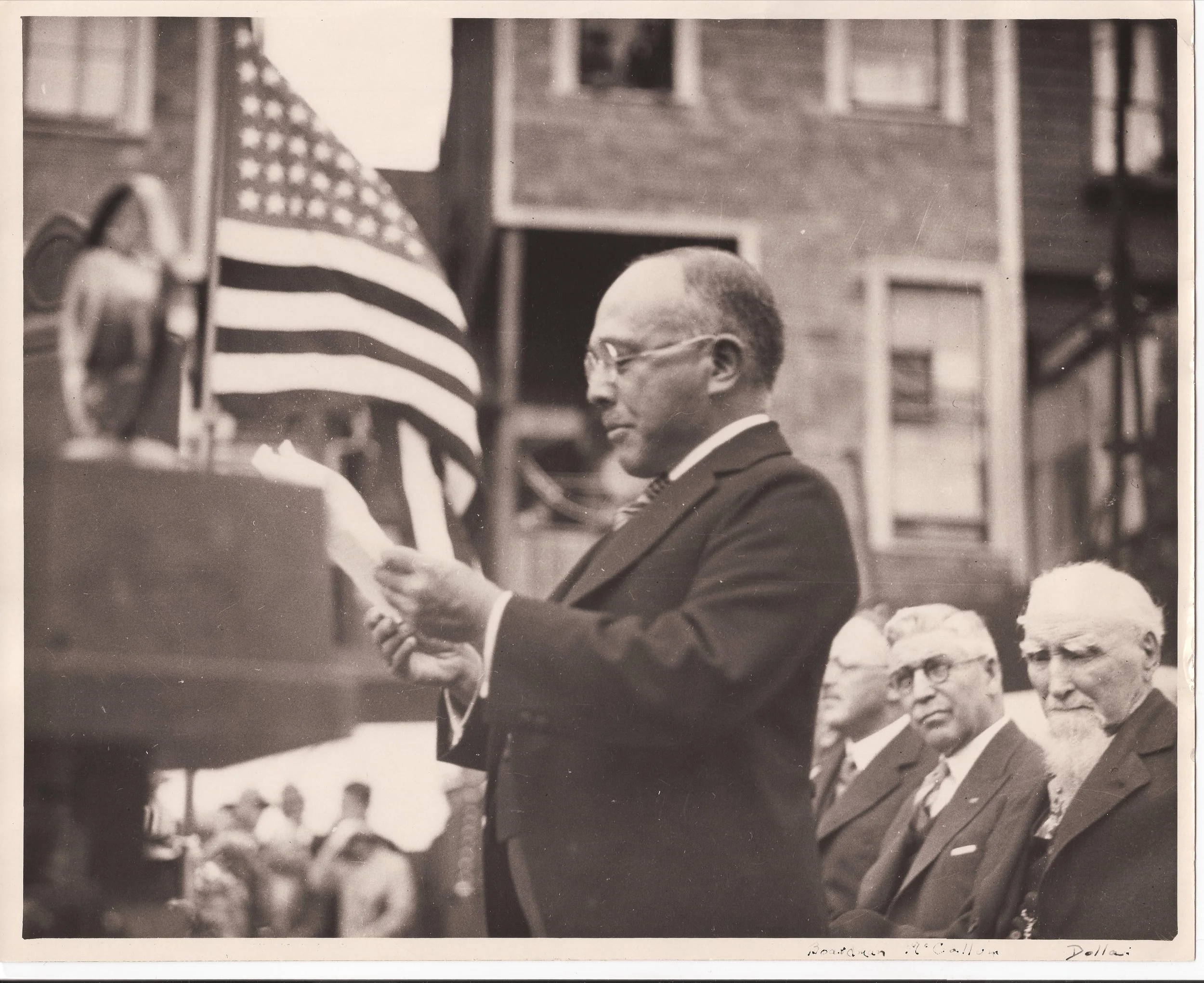
Groundbreaking took place in May 1930, with Japanese Ambassador Katsuji Debuchi, Mayor James Rolph, and other community leaders taking part.
1939
By the time the Second World War began, the district had grown to become one of the largest Japanese communities outside of Japan.