S I N C E
1 8 8 6
our history
buchanan Ymca timeline
For Community, By Community
Scroll Down
1886
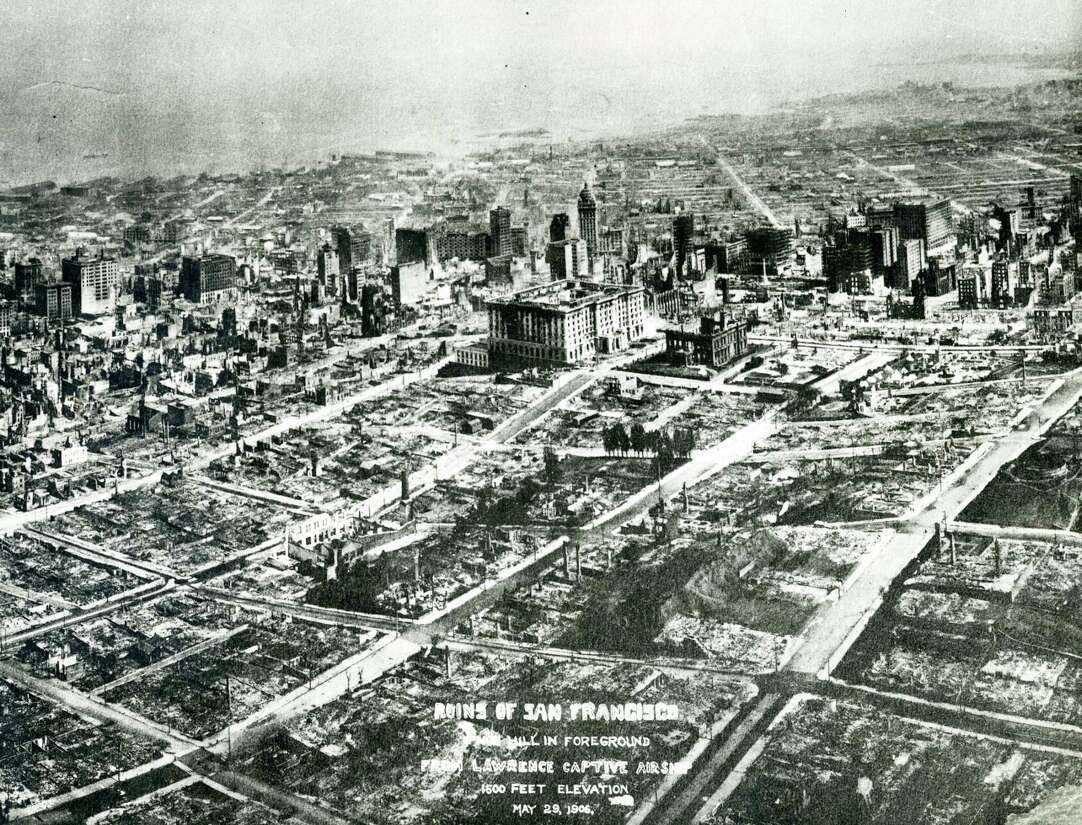
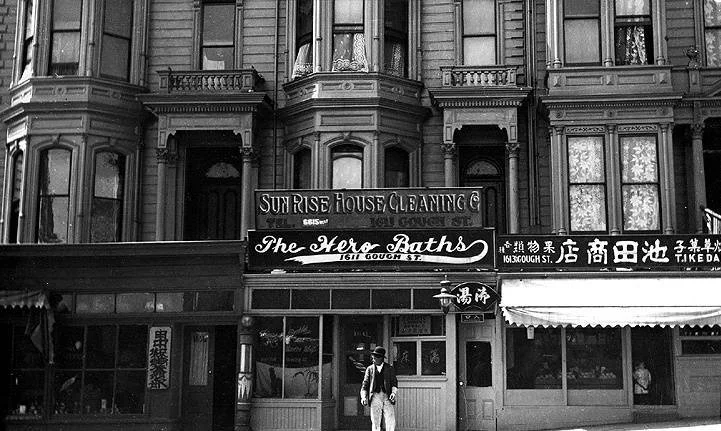
After the earthquake and fire destroyed their neighborhoods near Chinatown and South of Market, many Japanese residents moved to the Western Addition, forming what would become Japantown.
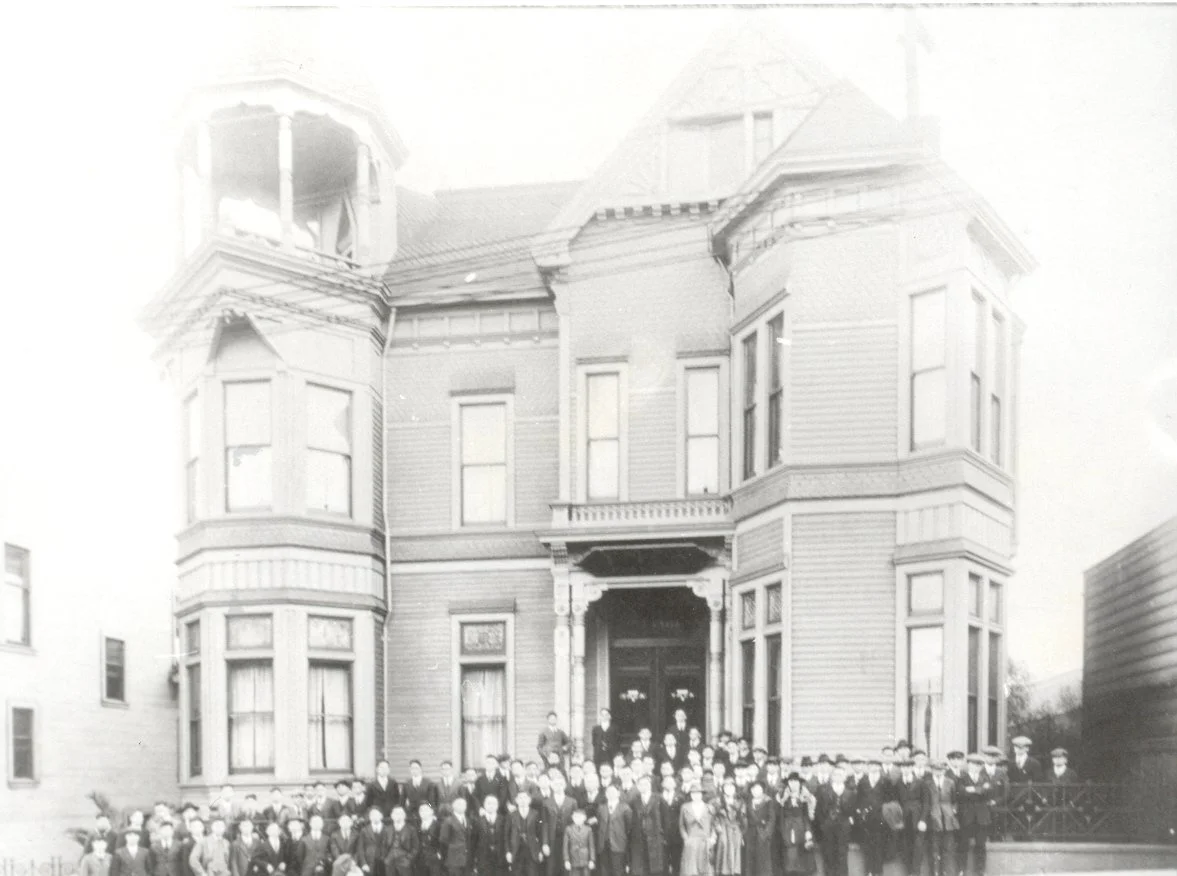
Young Japanese immigrants organized the Japanese YMCA in San Francisco with the help of Presbyterian missionary Dr. Ernest A. Sturge.
1906
1918
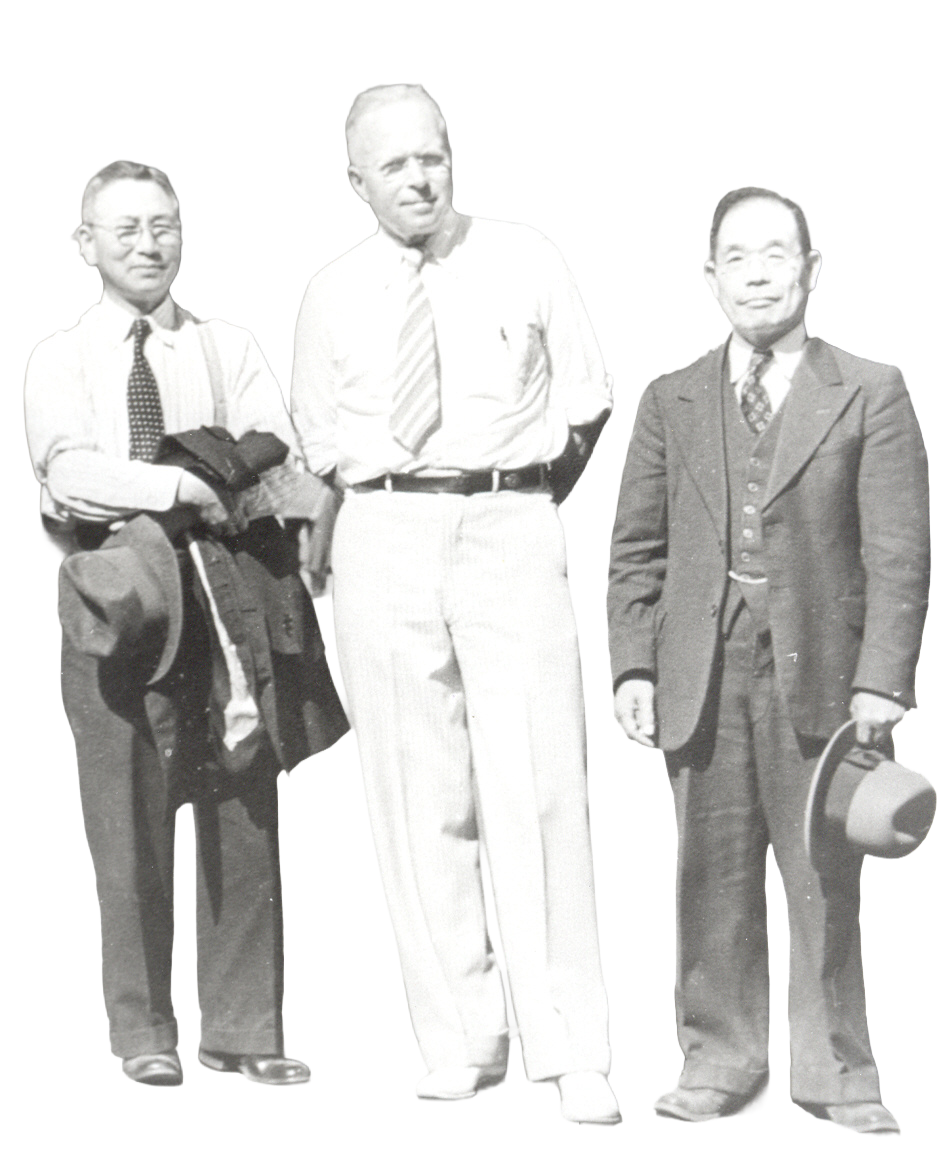
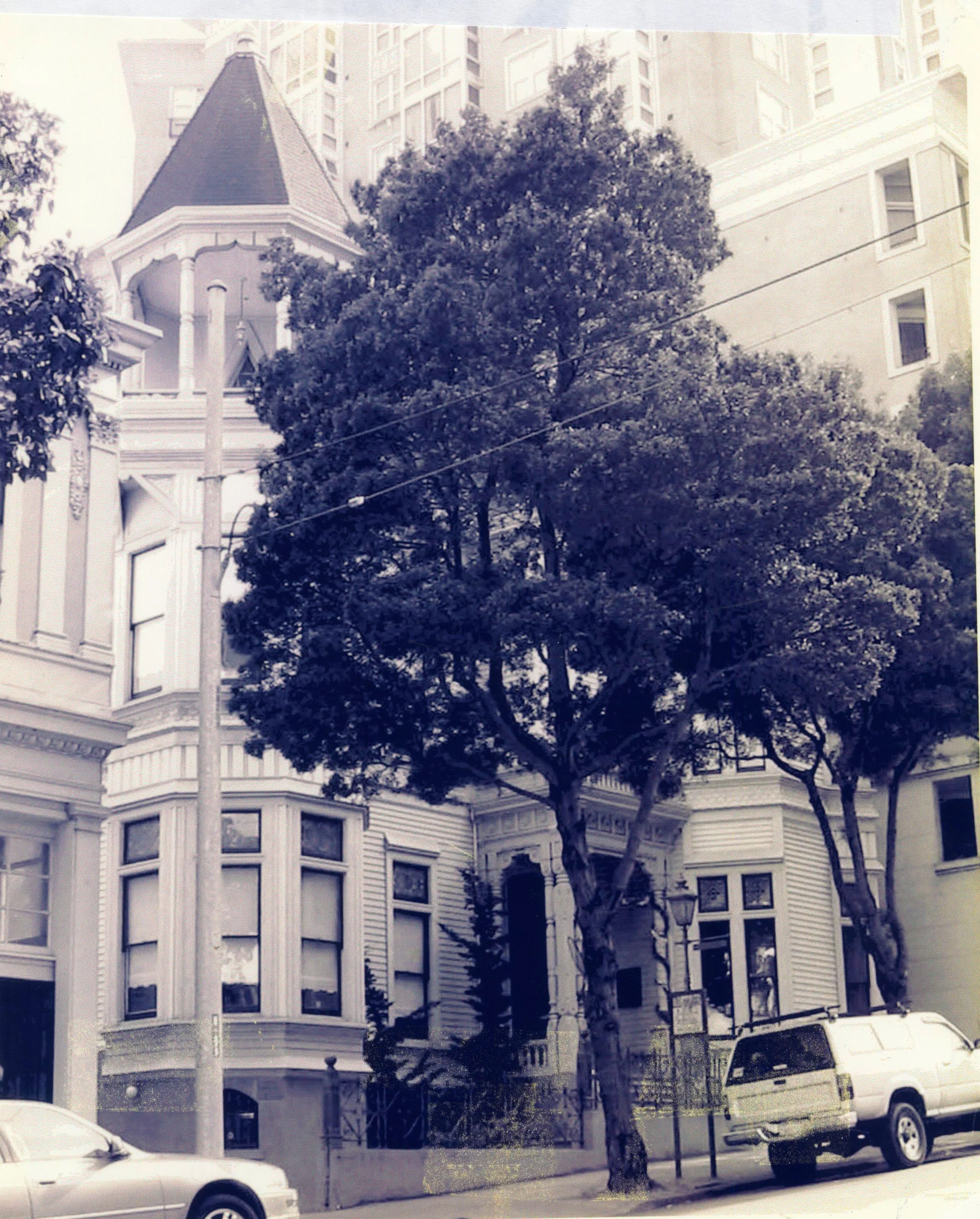
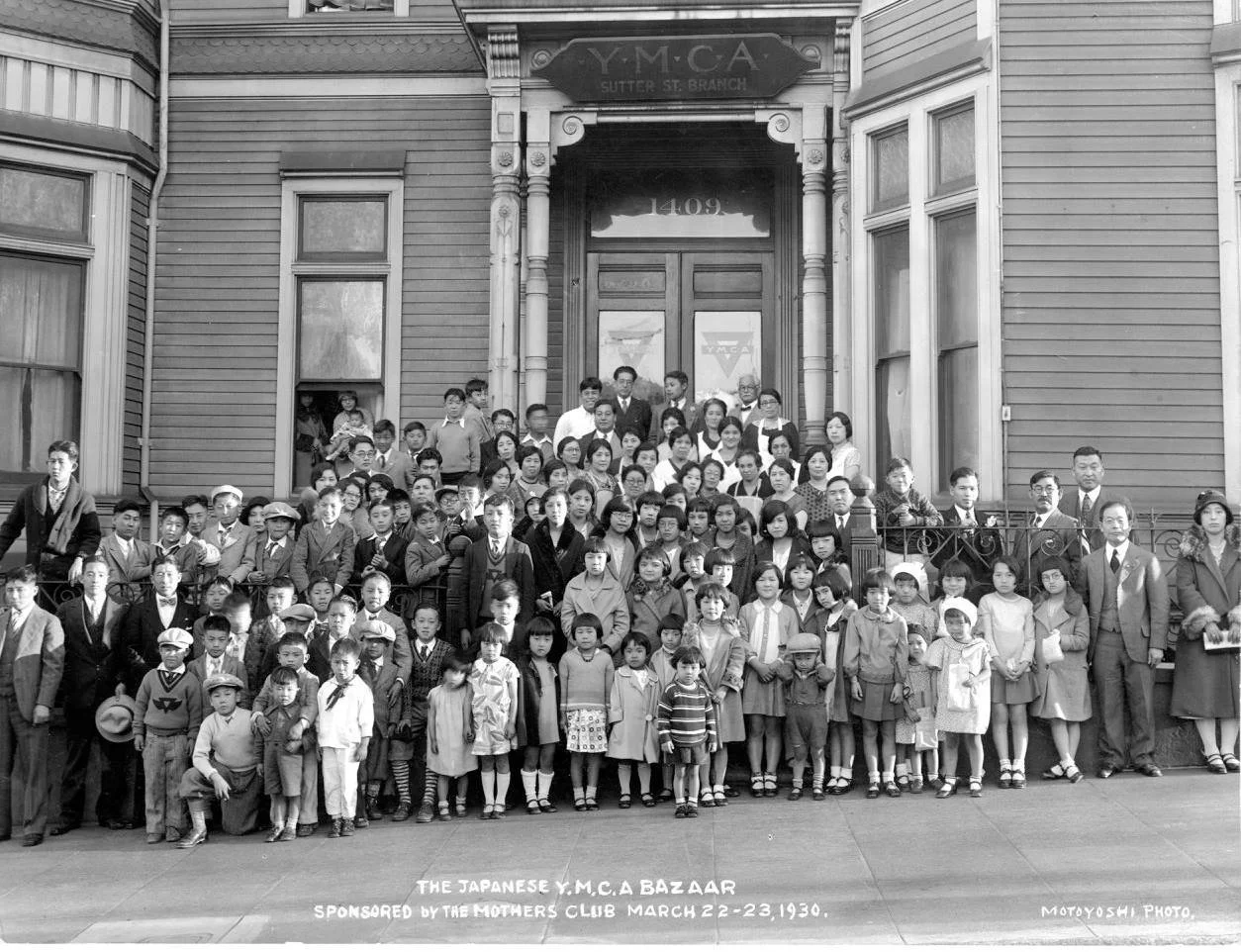
After a four-year pause, the Japanese YMCA was re-established as a branch of the San Francisco Metropolitan YMCA, opening at 1409 Sutter Street. Before this, it had operated as an independent YMCA. That same year, Mr. Kiyoshi Tomizawa was appointed the first executive director of the Japanese YMCA. He set out to raise funds for a larger facility to serve the continually growing Japanese population that had moved to the Western Addition after the 1906 earthquake.

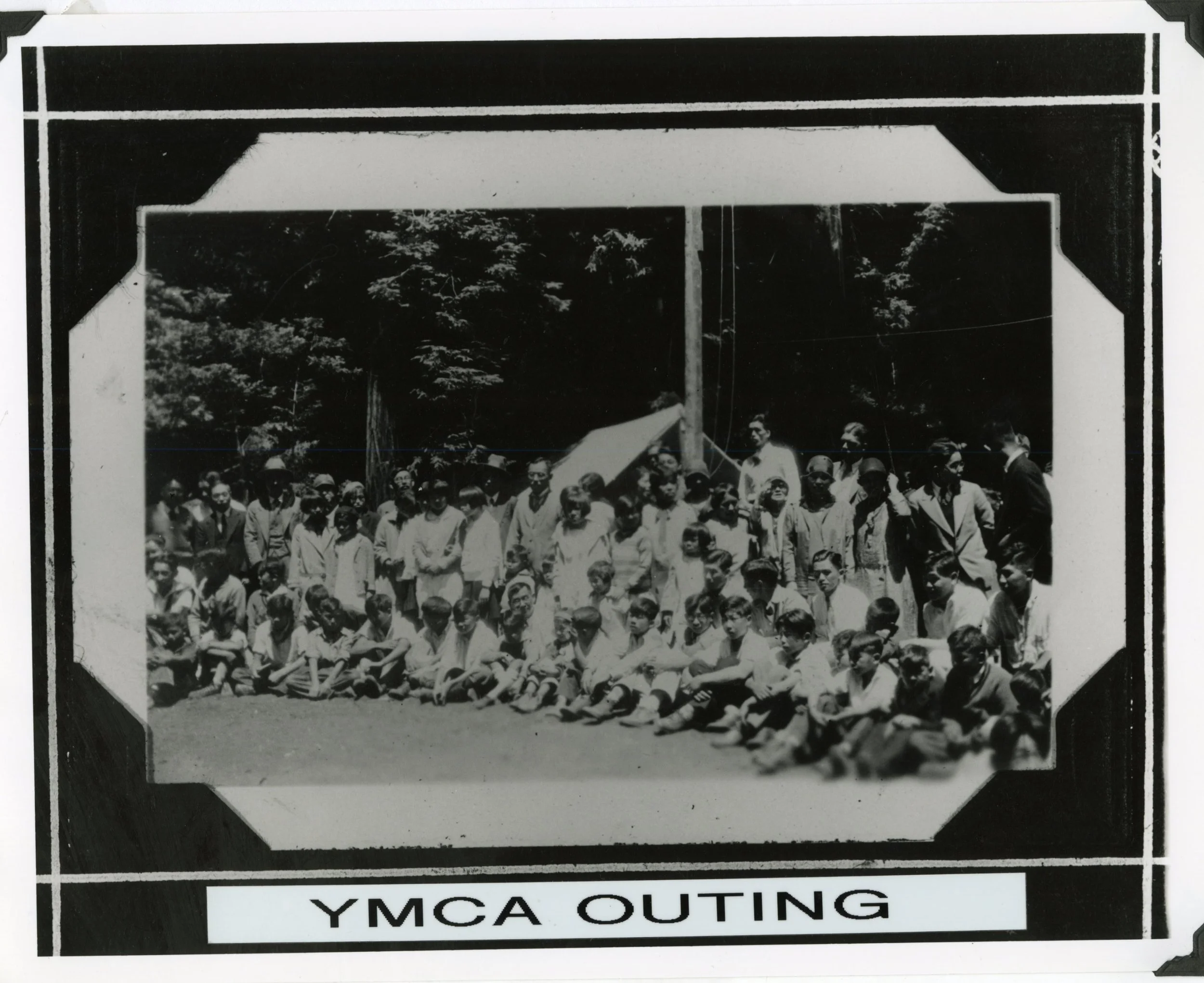

1926
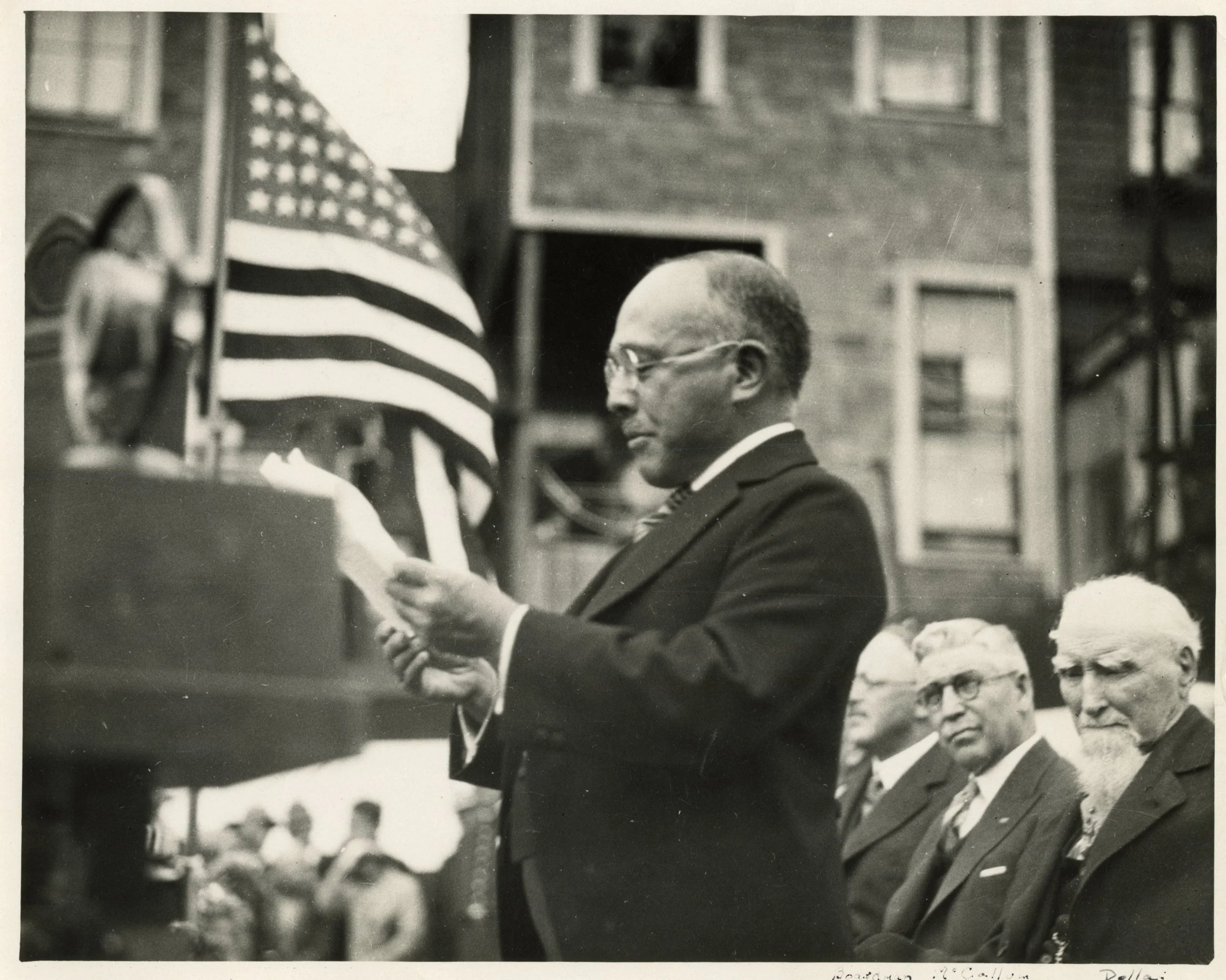
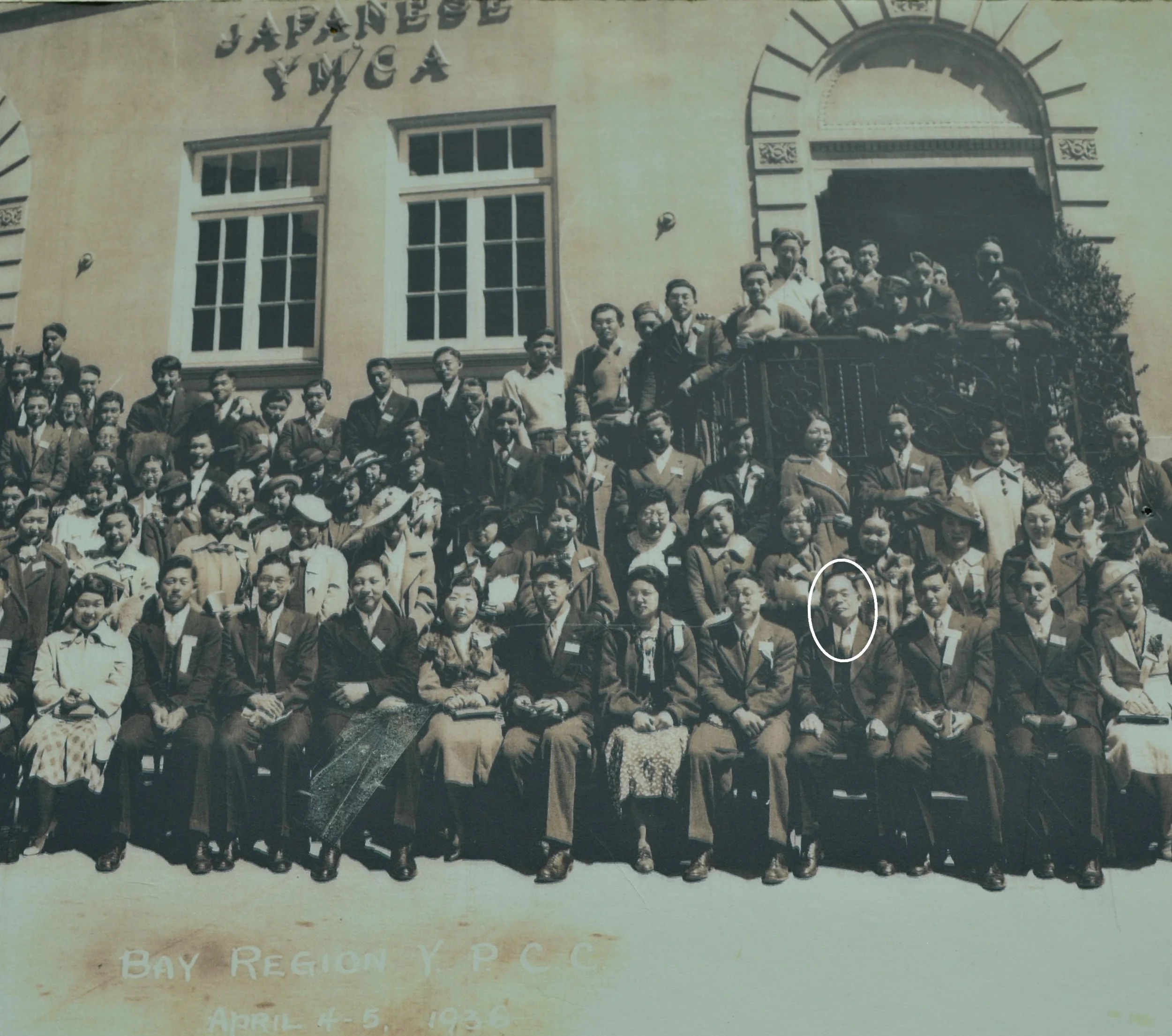
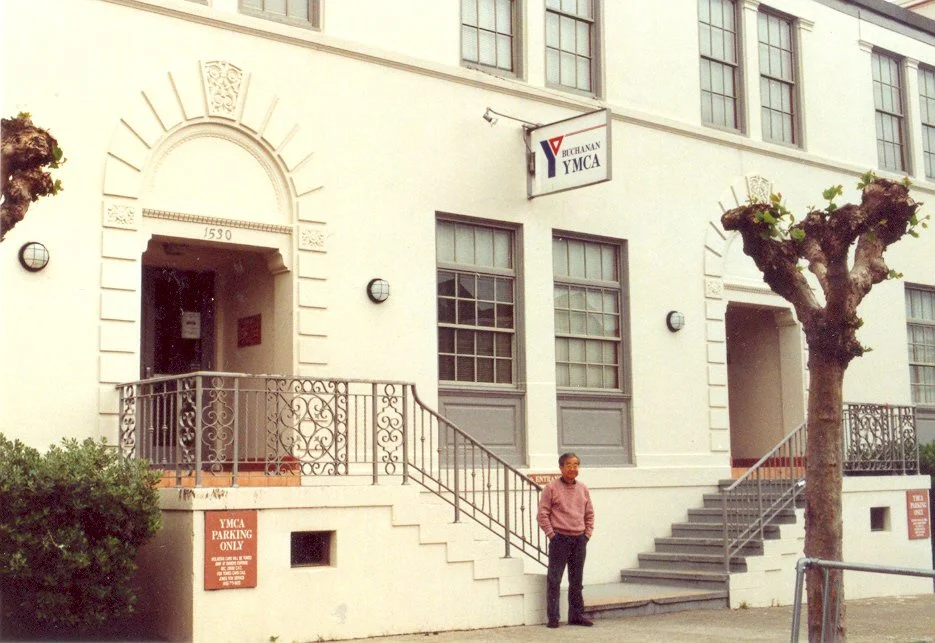
The Japanese YMCA purchased the land at 1530 Buchanan Street for approximately $29,650.
1935
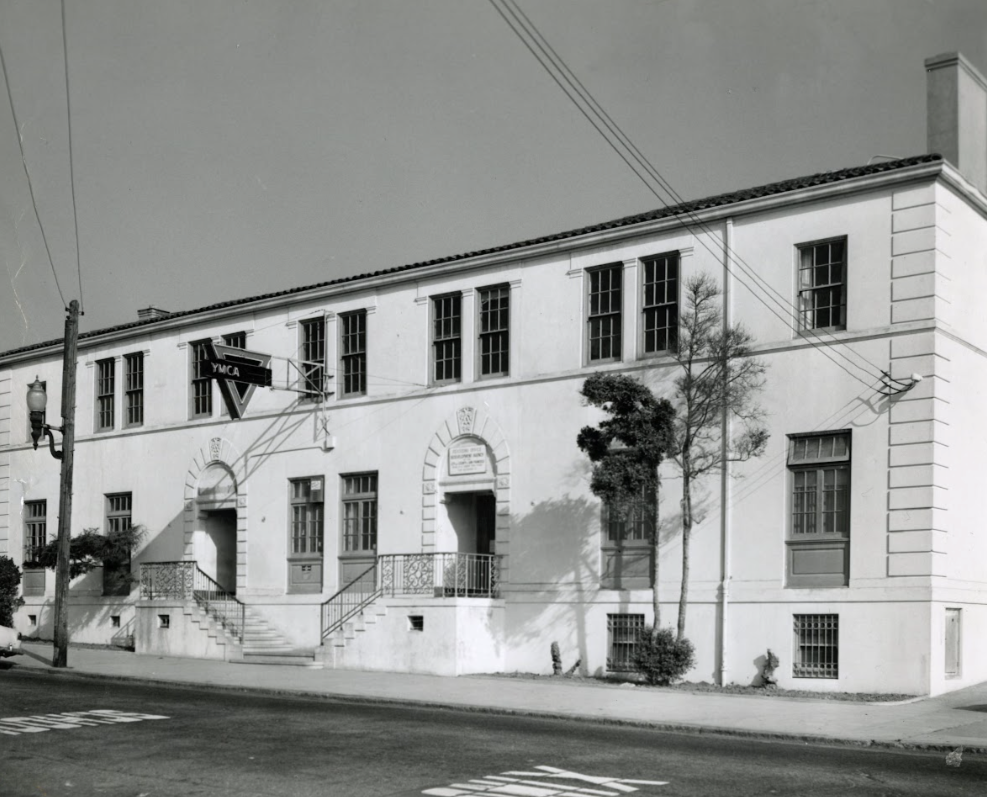
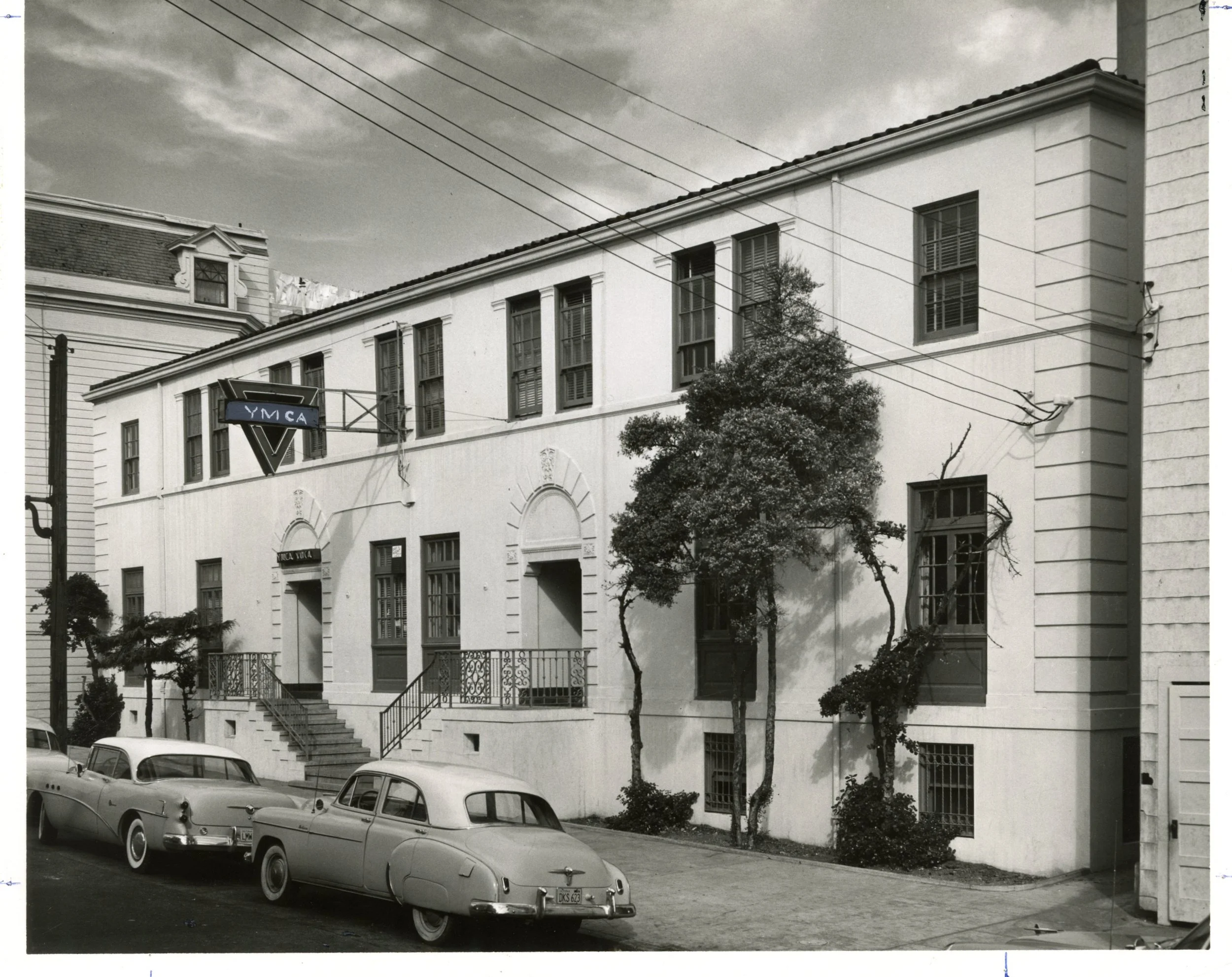
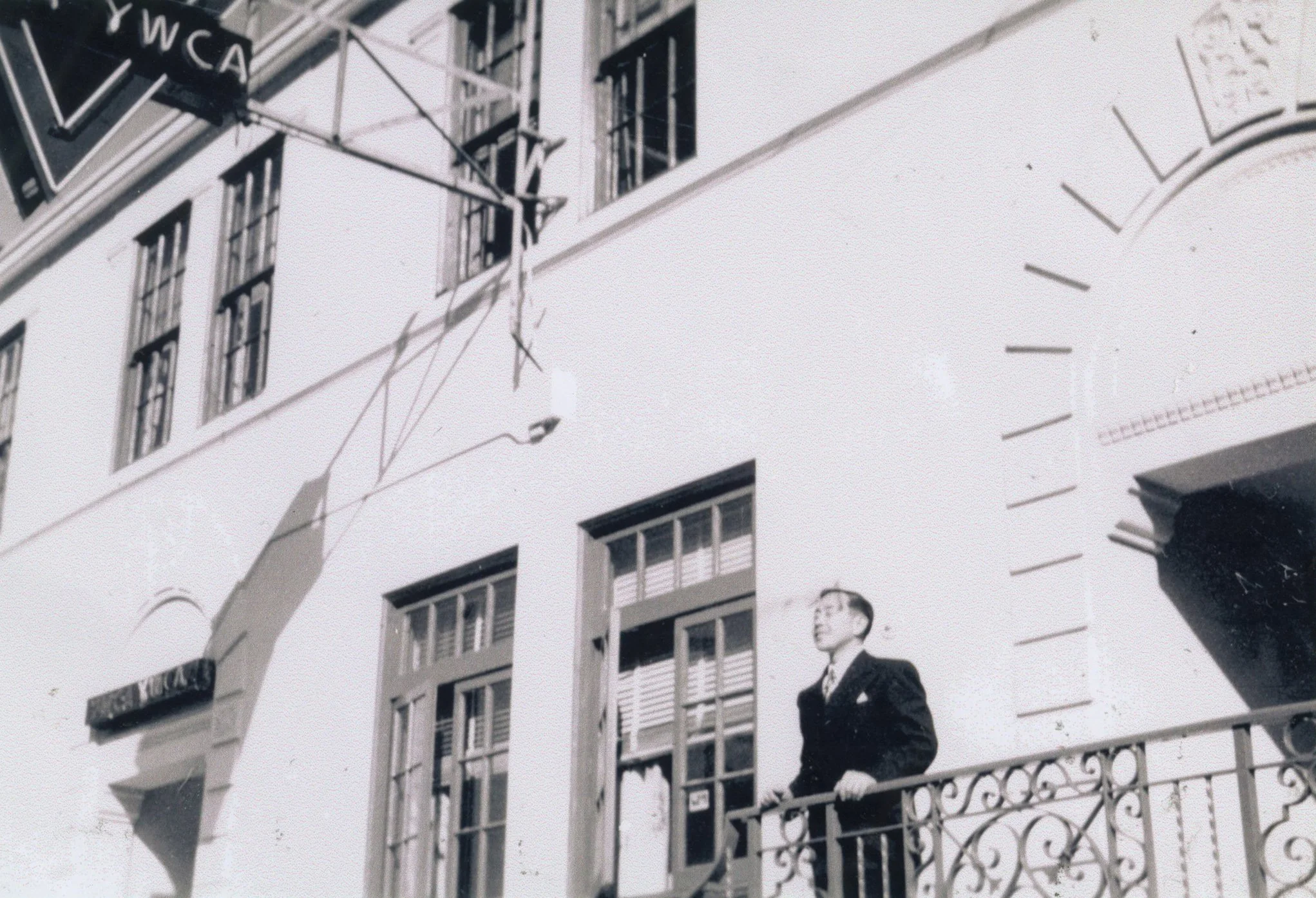
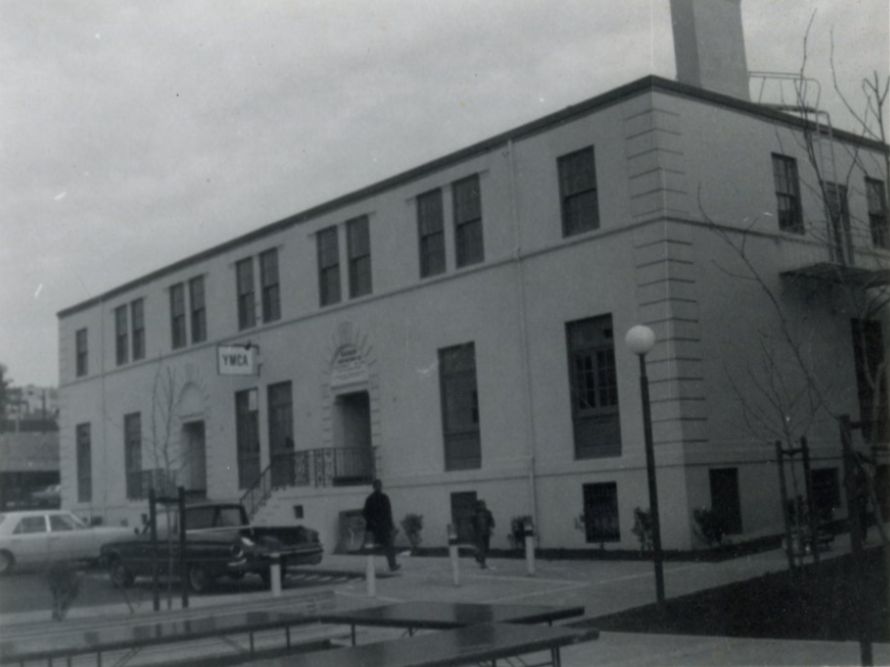
Construction began on the new building at 1530 Buchanan Street, its current location. The building held its formal opening on September 30, 1936.


1928
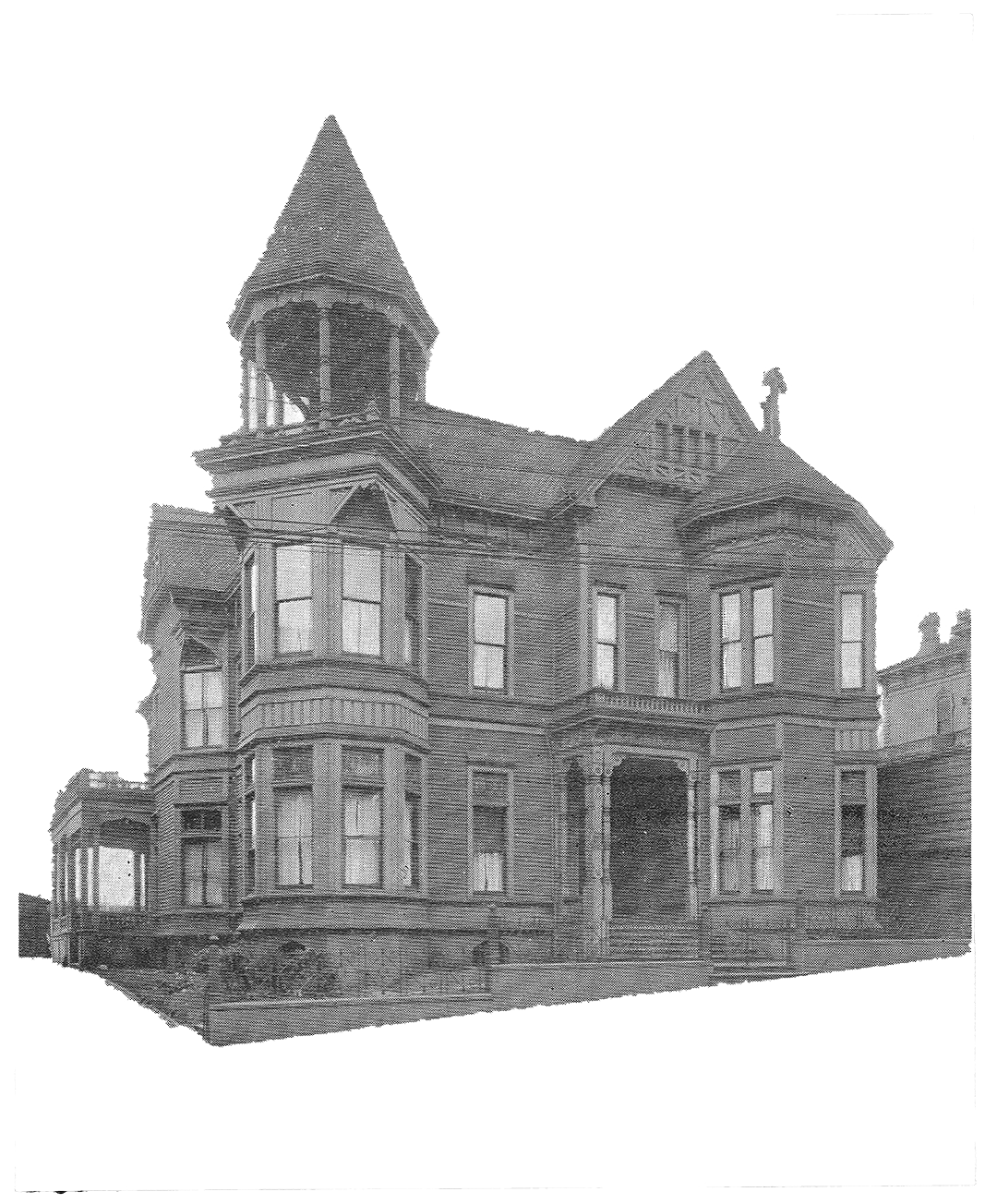
A former residence at 1409 Sutter Street was officially named and adopted as the new home of the Japanese YMCA.
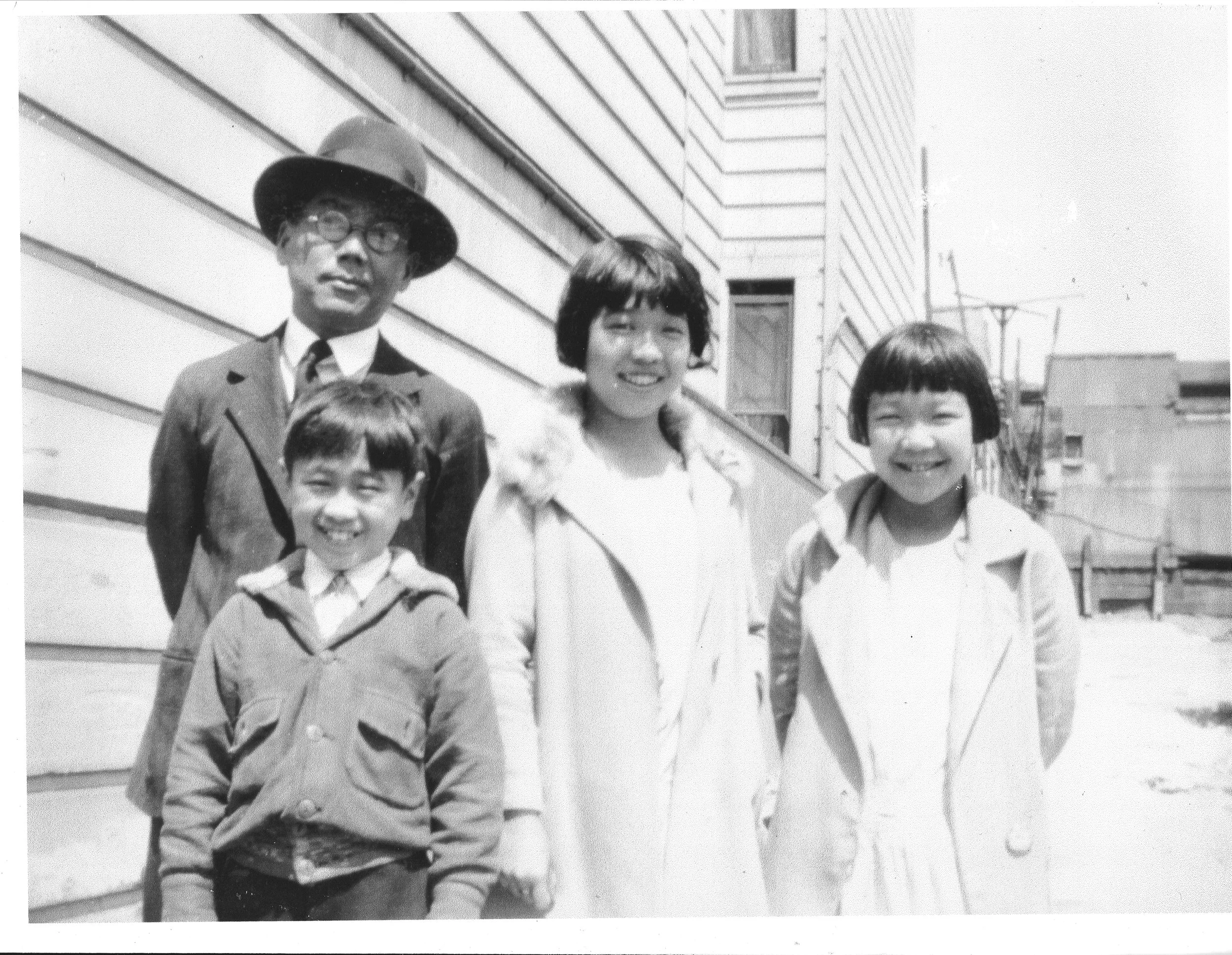
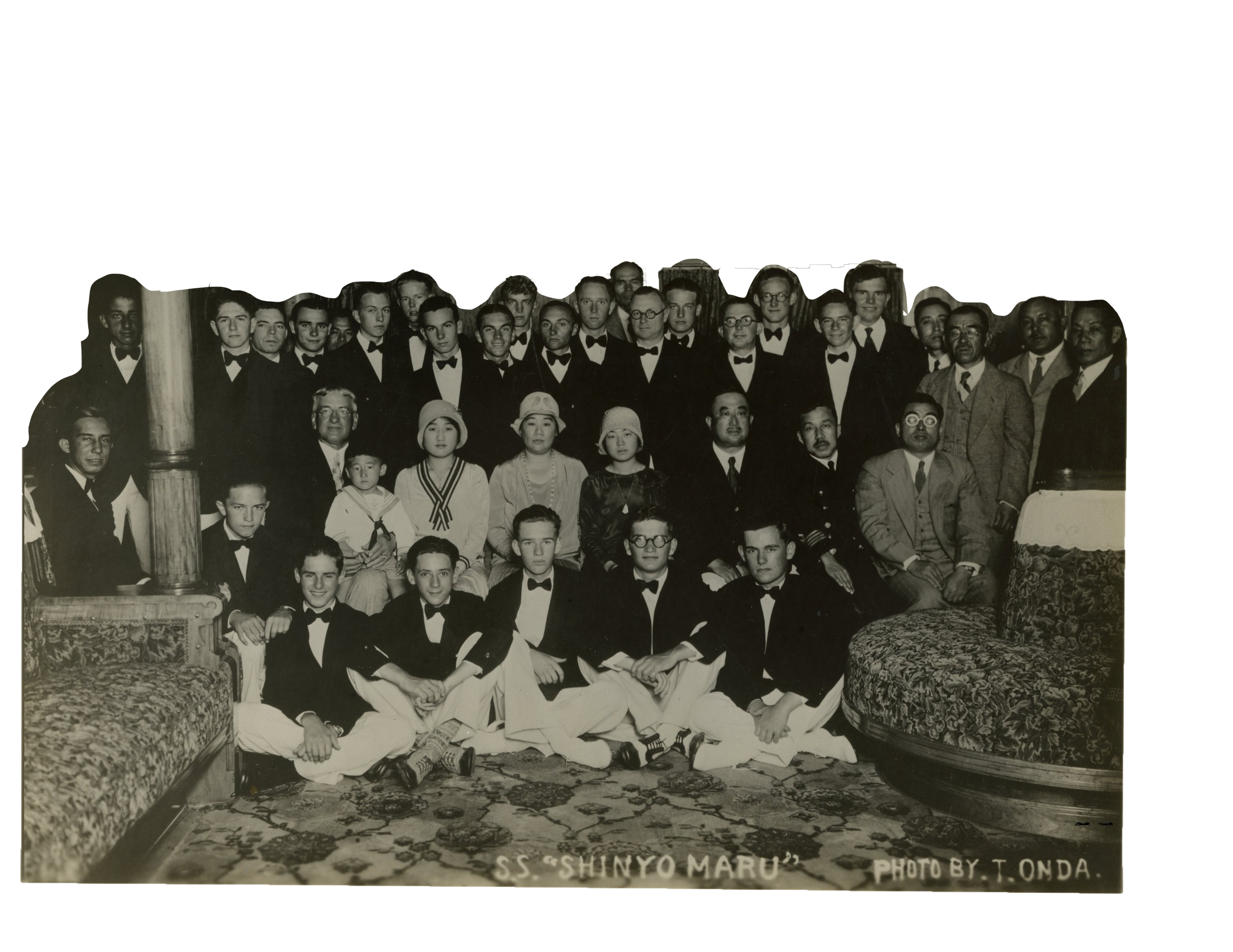
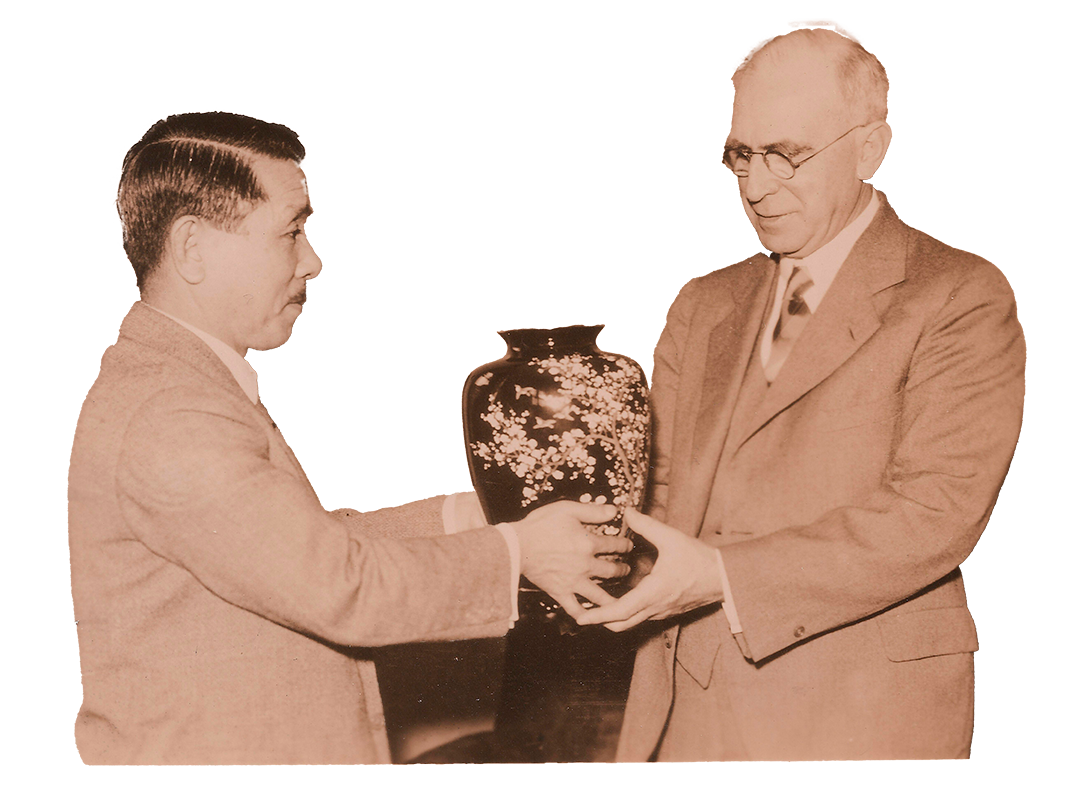
The Japanese YMCA had raised only $28,000 toward a new property. However, Mr. Tomizawa’s advocacy succeeded in securing a commitment from the YMCA of the USA to contribute $75,000 to the project, on the condition that the Japanese YMCA first raise a matching $75,000 on its own.
Mr. K. K. Kawakami, the former chair of the Japanese branch board who was then living in Japan, raised 30,000 yen (approximately $15,000) from supporters in Japan who wanted to help build the community in San Francisco.
1929
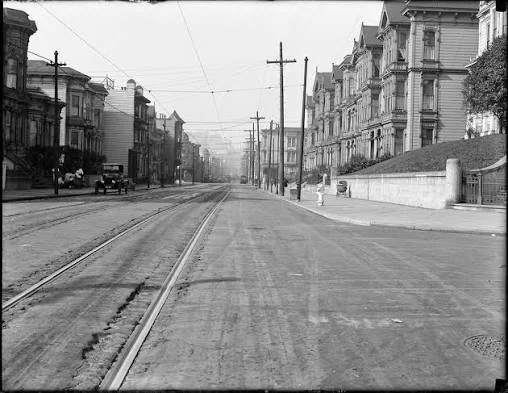
1930

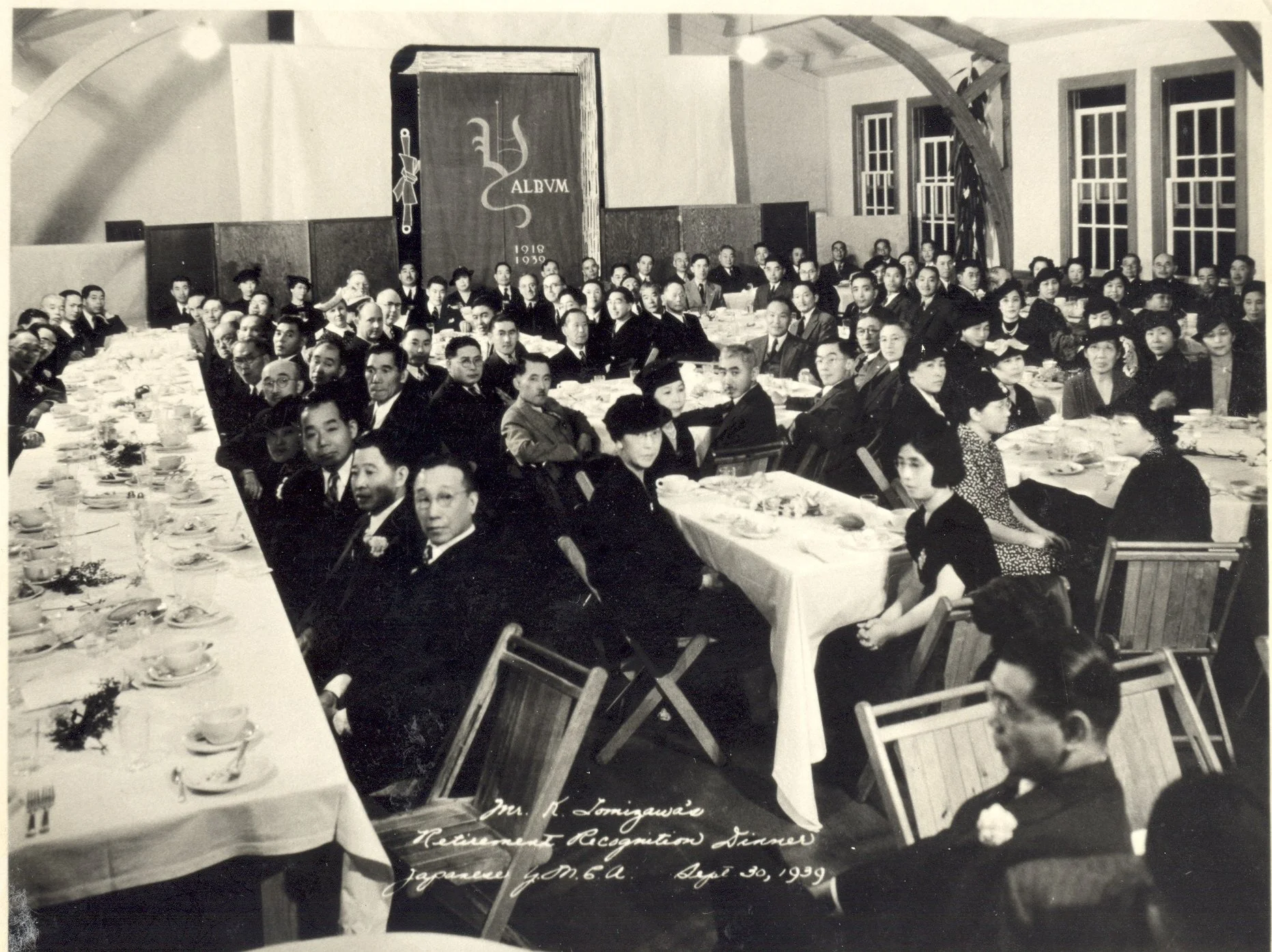
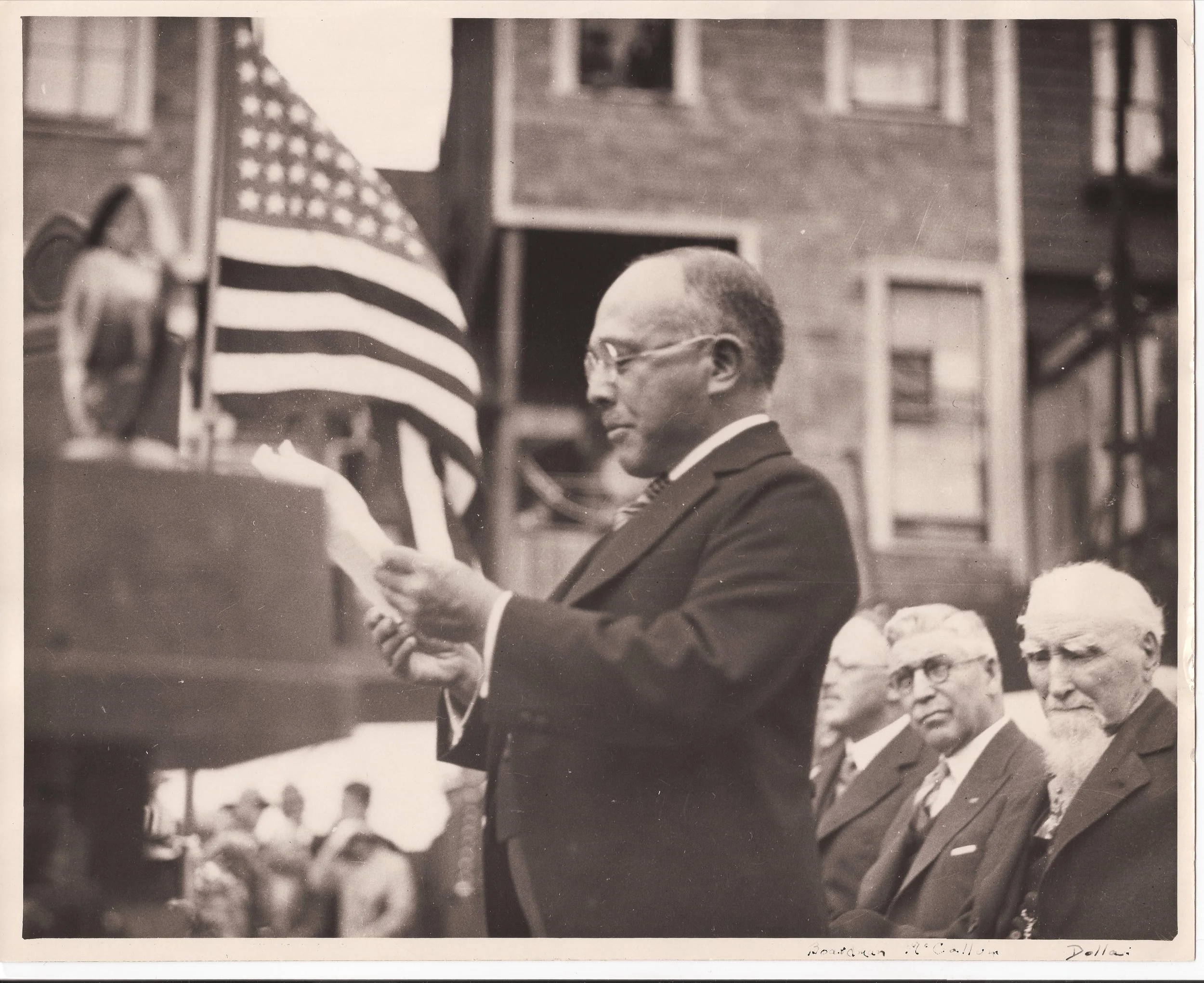
Groundbreaking took place in May 1930, with Japanese Ambassador Katsuji Debuchi, Mayor James Rolph, and other community leaders taking part.
1939
By the time the Second World War began, the district had grown to become one of the largest Japanese communities outside of Japan.
1941
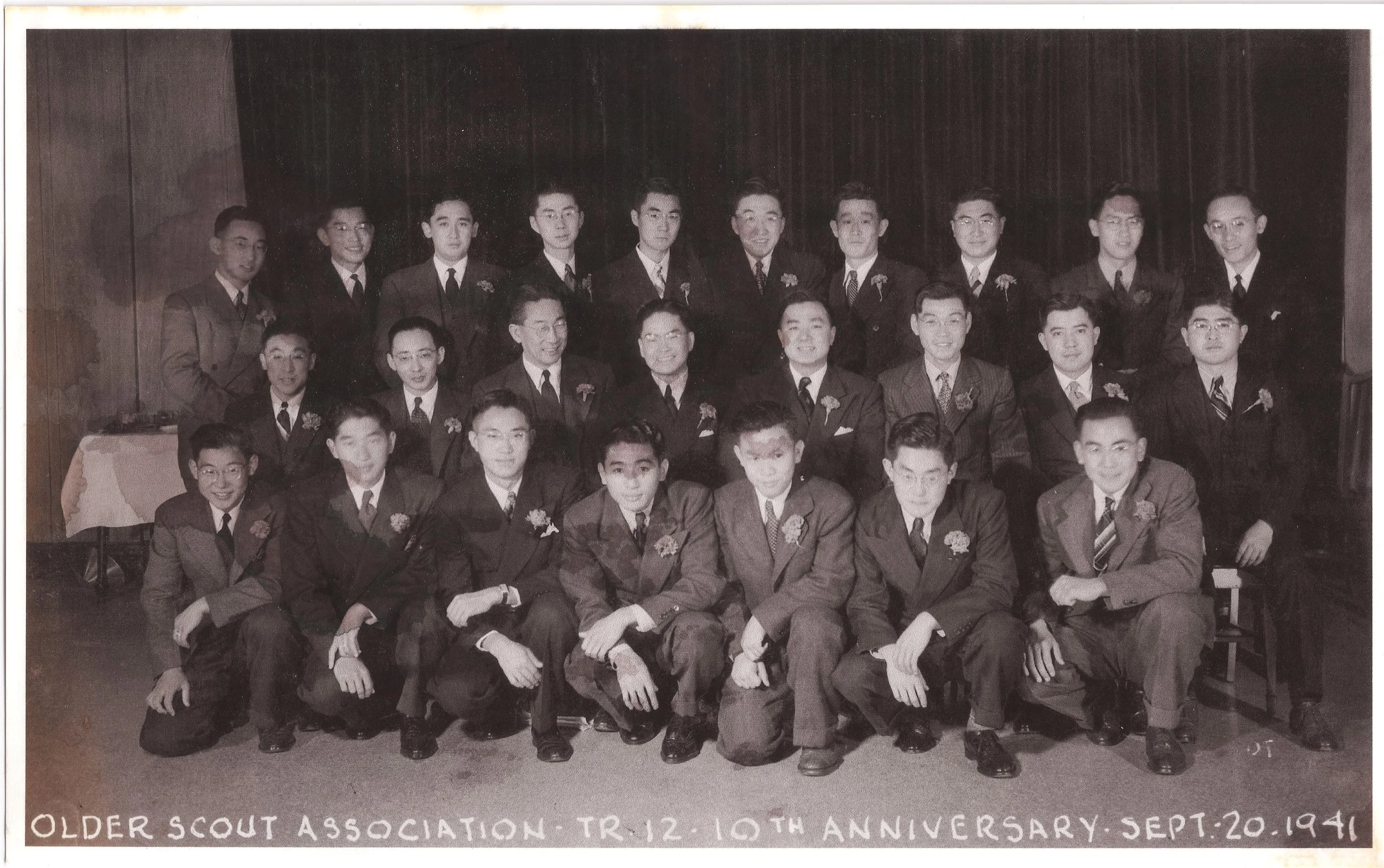
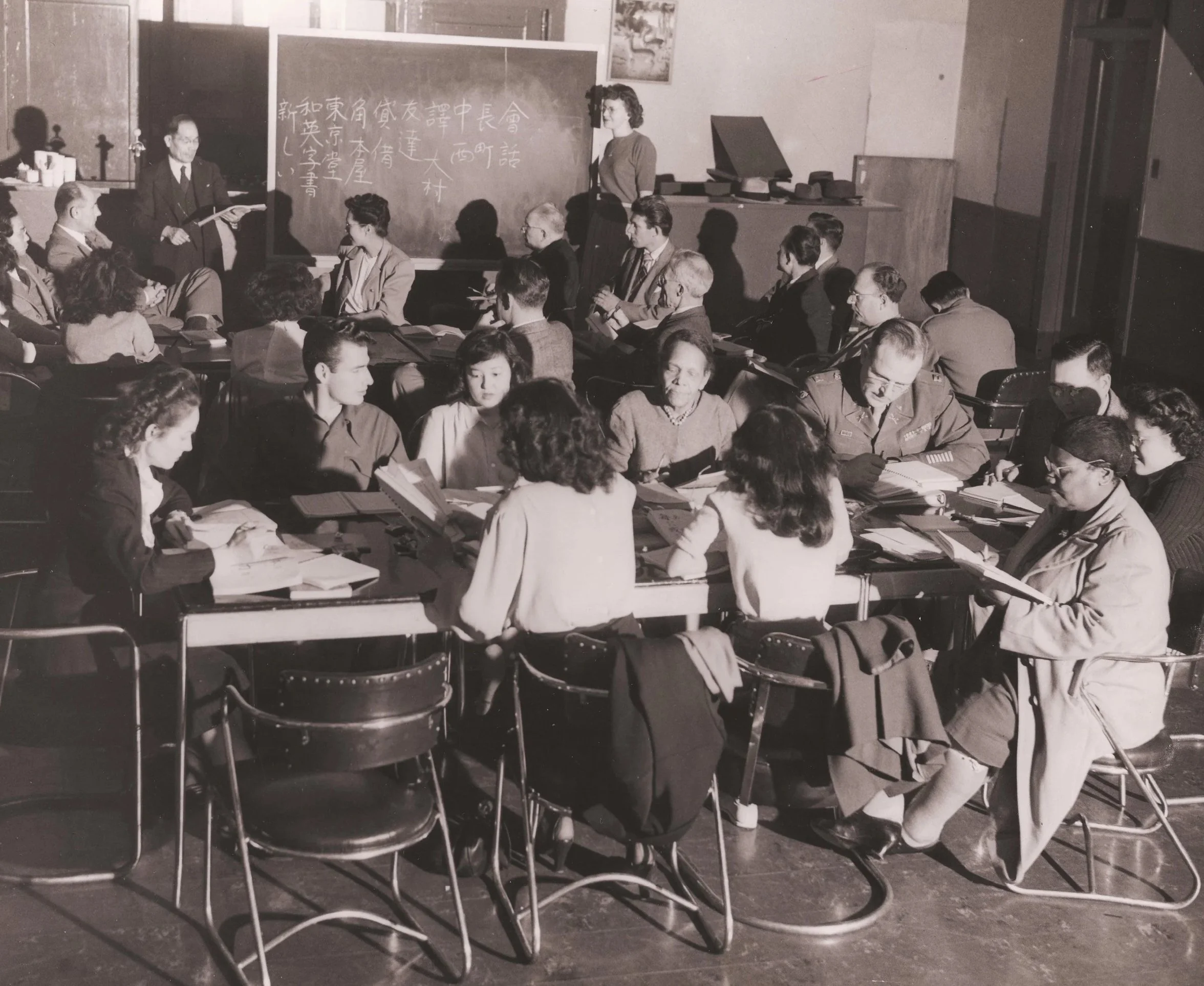
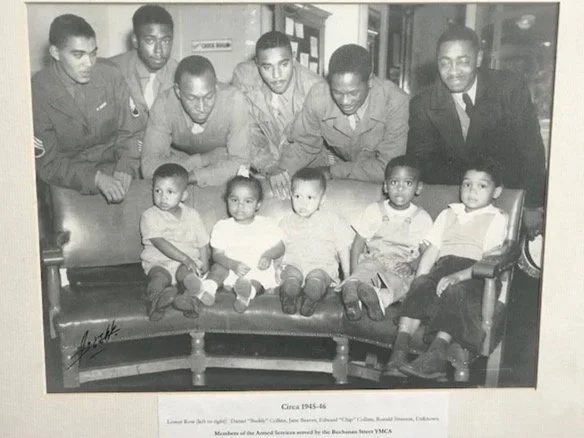
The Japanese YMCA was turned over to the USO to entertain and serve mainly soldiers of color, while the Army and Navy YMCA was taken over to serve mainly white soldiers.


february 1942
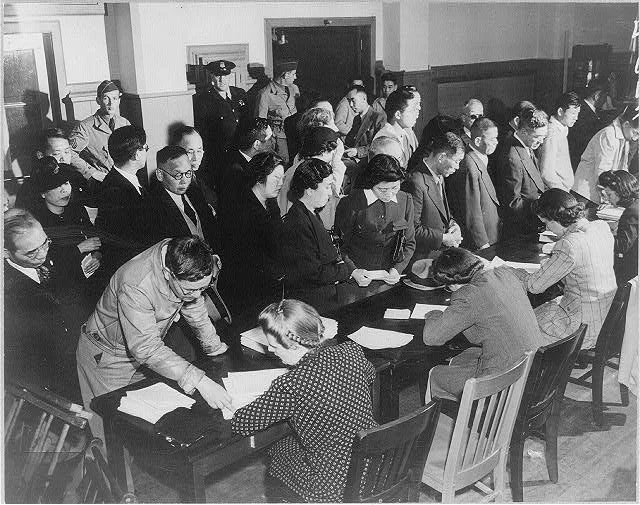
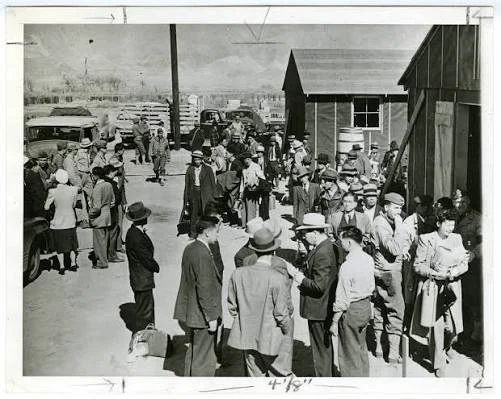
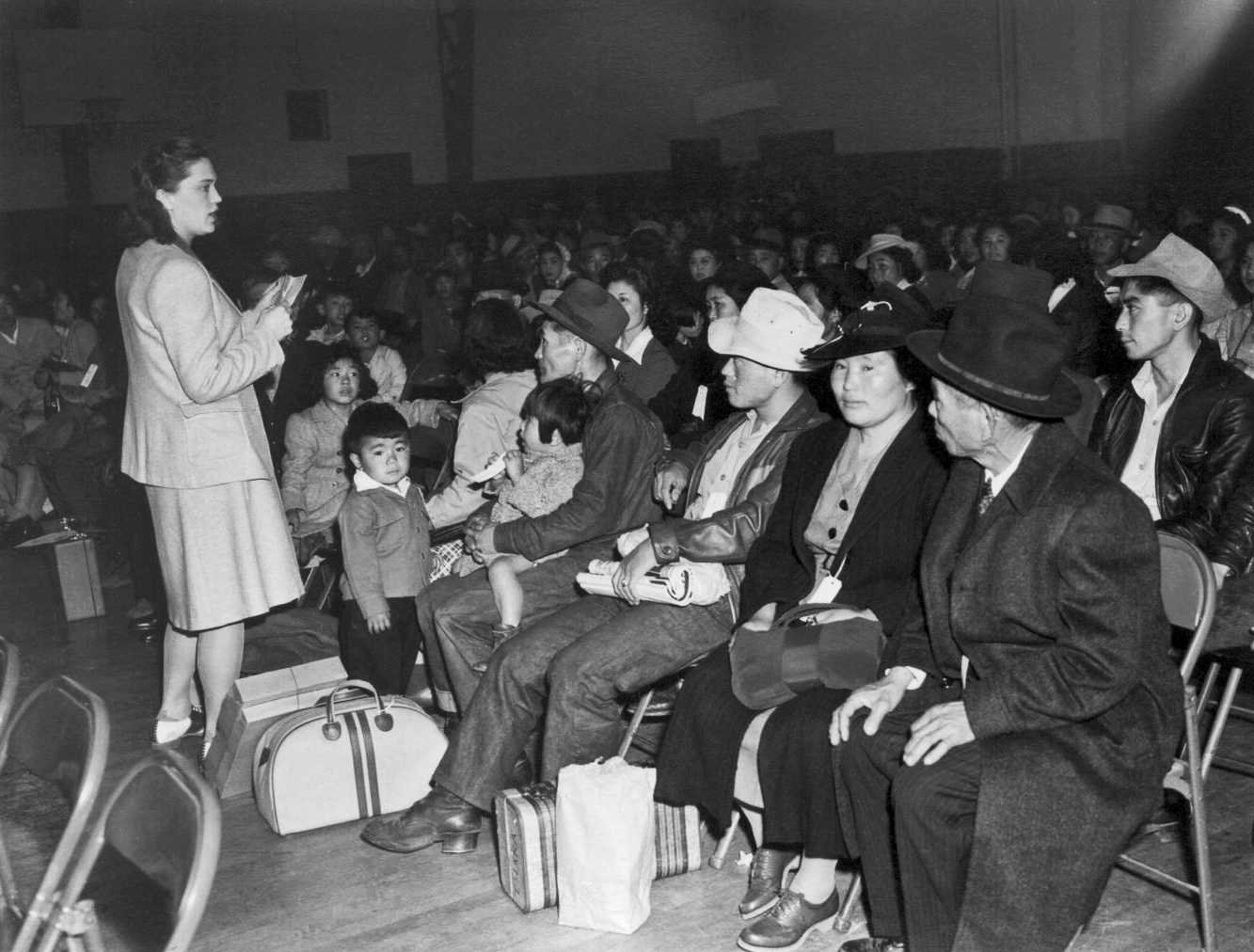
President Franklin D. Roosevelt signed Executive Order 9066, leading to the forced removal and wartime incarceration of San Francisco’s entire Japanese American community. Japanese American families were required to register at the YMCA before their forced removal to incarceration camps. On April 28, the building was padlocked and its keys were entrusted to the Metropolitan YMCA.

may 11, 1942
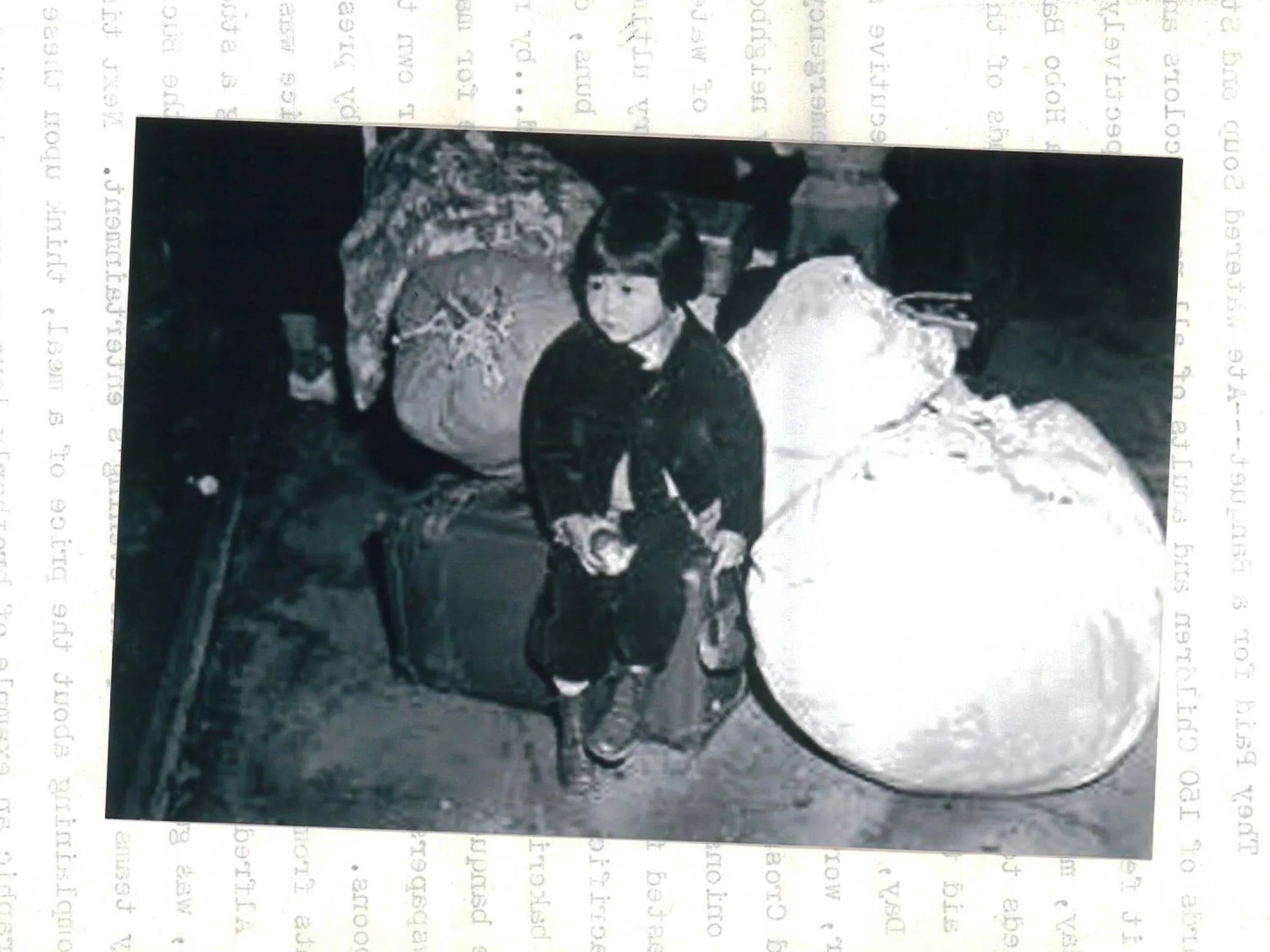
A total of 891 residents of Japanese ancestry reported to the Buchanan YMCA to register and board buses bound directly for the temporary Tanforan Assembly Center. Under strict limits set by the authorities, evacuees were permitted to carry only two bags of essential belongings. In a display of solidarity, neighbors stepped forward to safeguard the possessions left behind.

1942
The Buchanan building was rented to the USO for $225 per month as a center for African American troops.

July 1942

Following the removal of the Japanese American community, the National YMCA officially transferred administrative control of the empty 1530 Buchanan Street facility to the San Francisco YMCA Metropolitan Office to oversee its rapid transition into a wartime USO center.


1942-1945
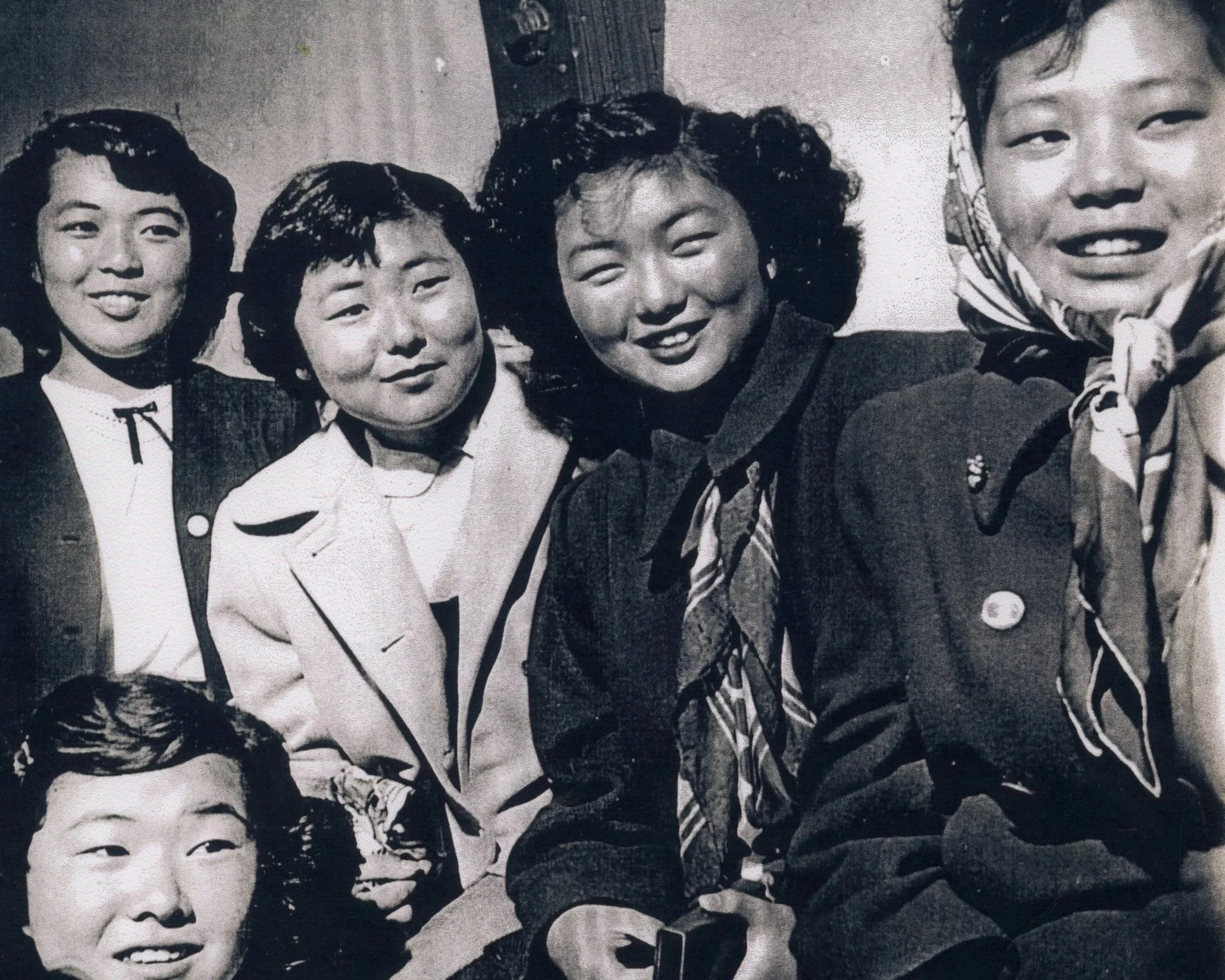
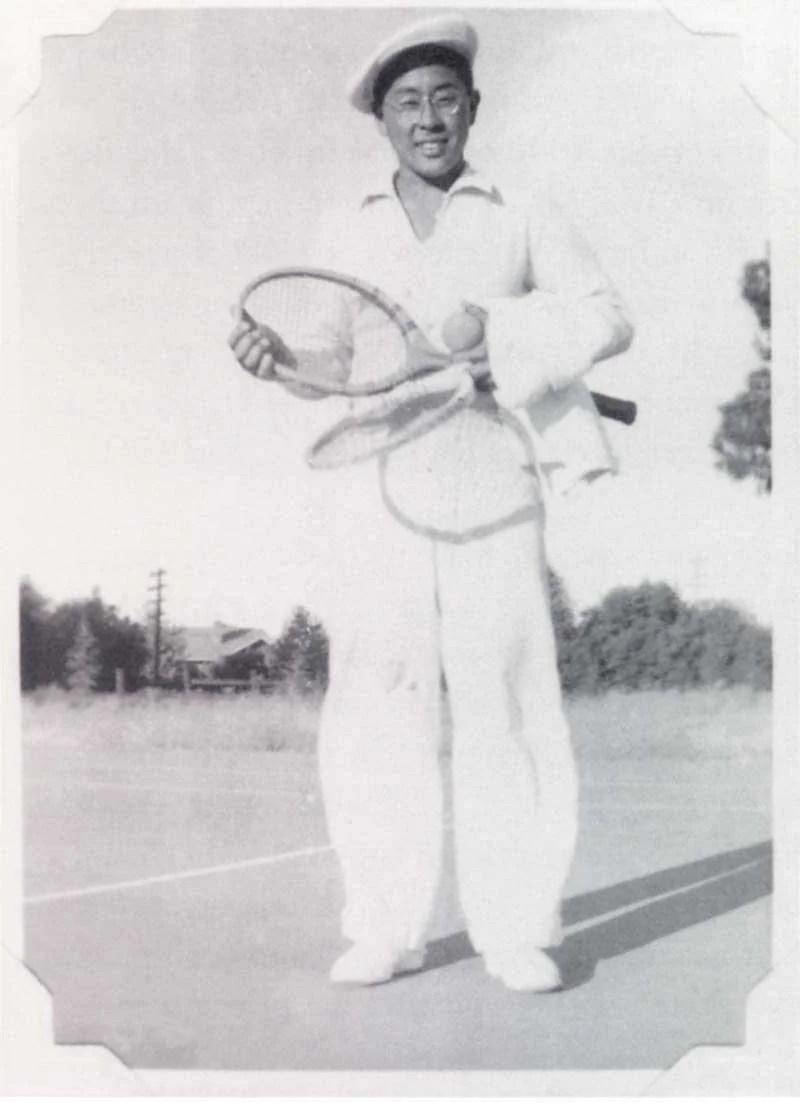
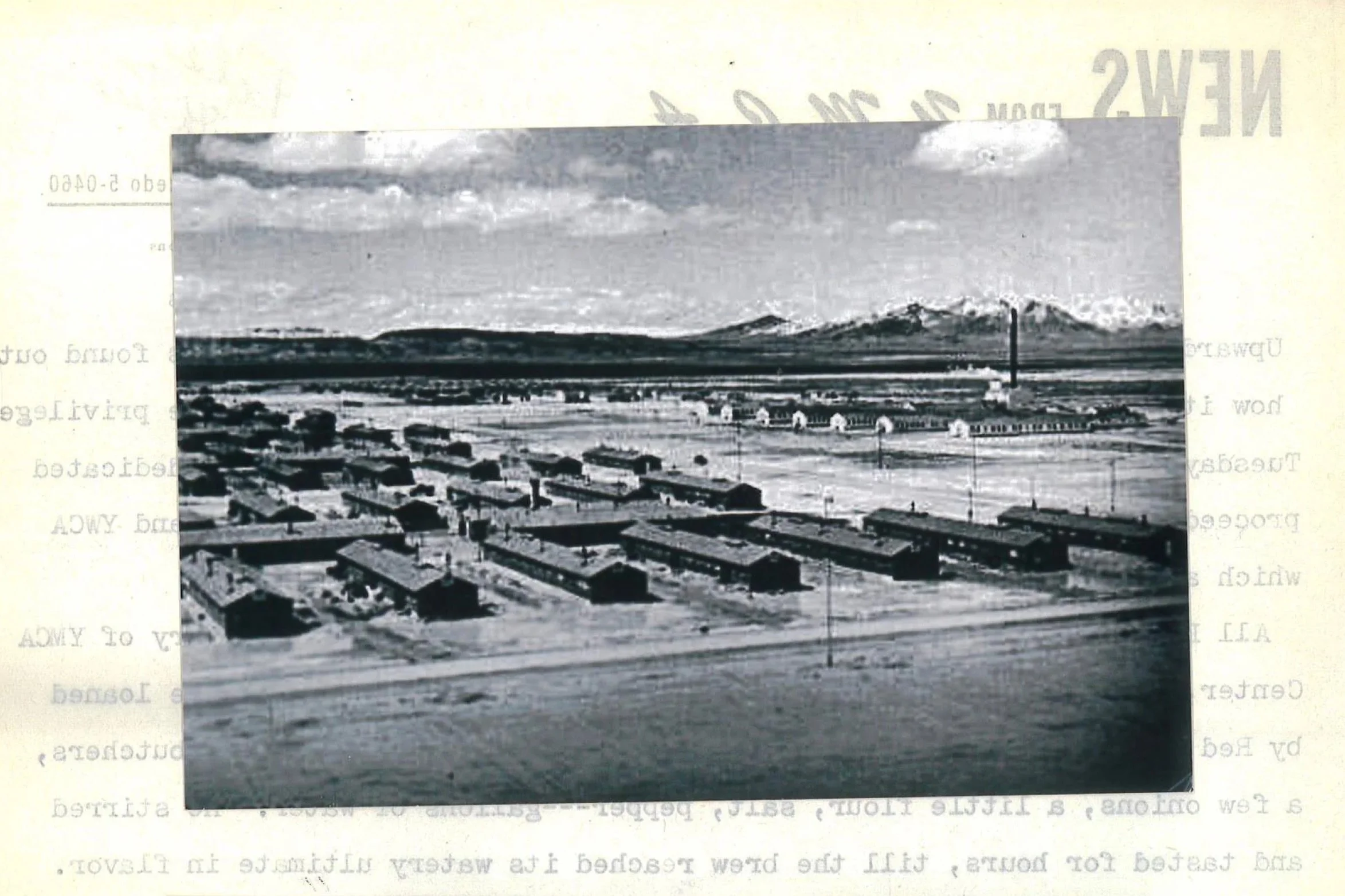
Community members spent nearly six months living in converted horse stalls at the Tanforan Assembly Center in California before being transferred by train to the desolate Topaz War Relocation Center in Utah, where they lived under armed guard behind barbed wire for three years.


1948
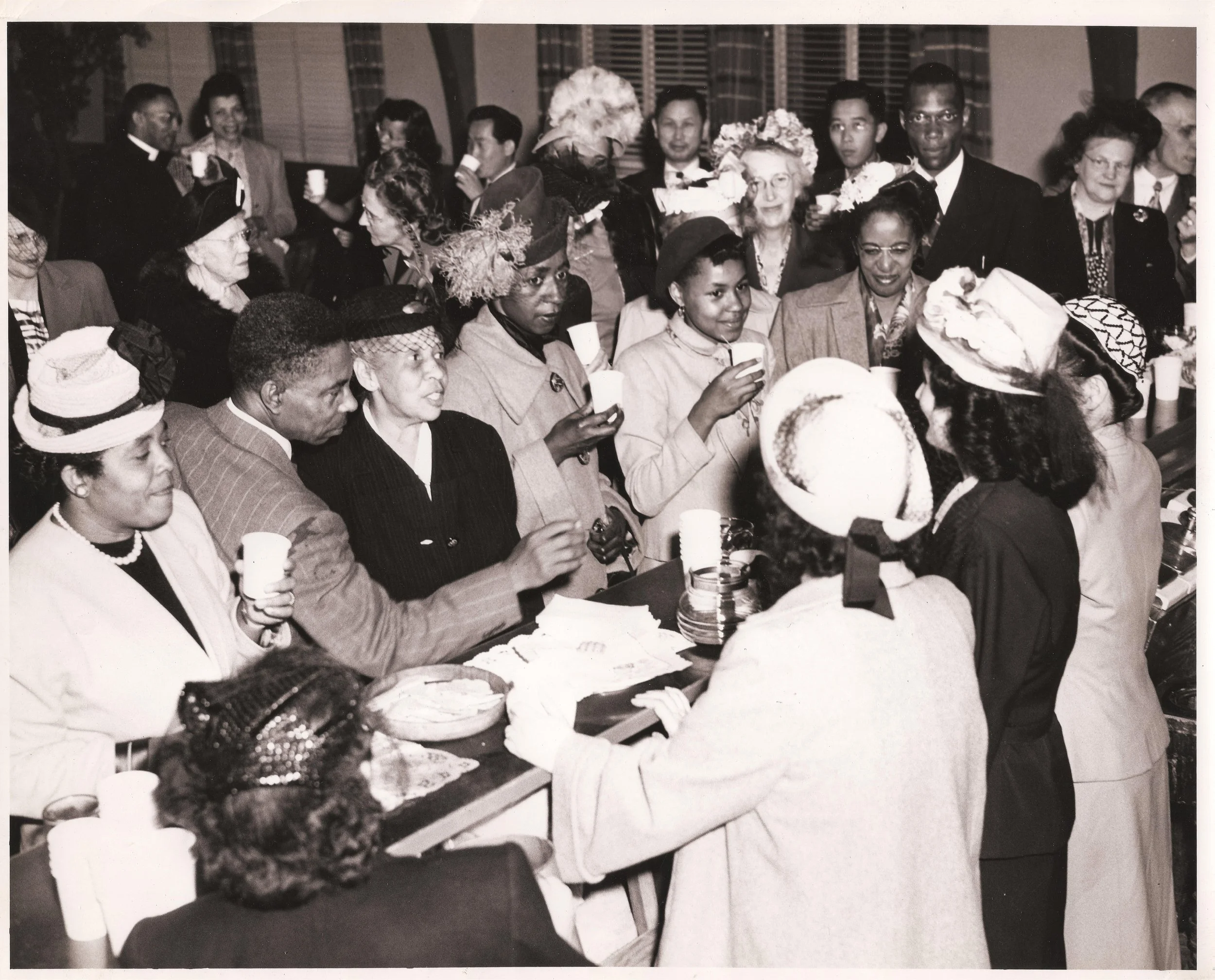
The Buchanan YMCA played a major civic role by hosting the historic first meetings of a multiracial coalition of Western Addition residents who organized to fight city redevelopment plans that threatened to displace the neighborhood.
december 1945
As military operations wound down, the USO ended its programming at the site. This prompted a formal review by the YMCA Board of Directors to determine how the building could be refitted to welcome back its original Japanese American members.
1947

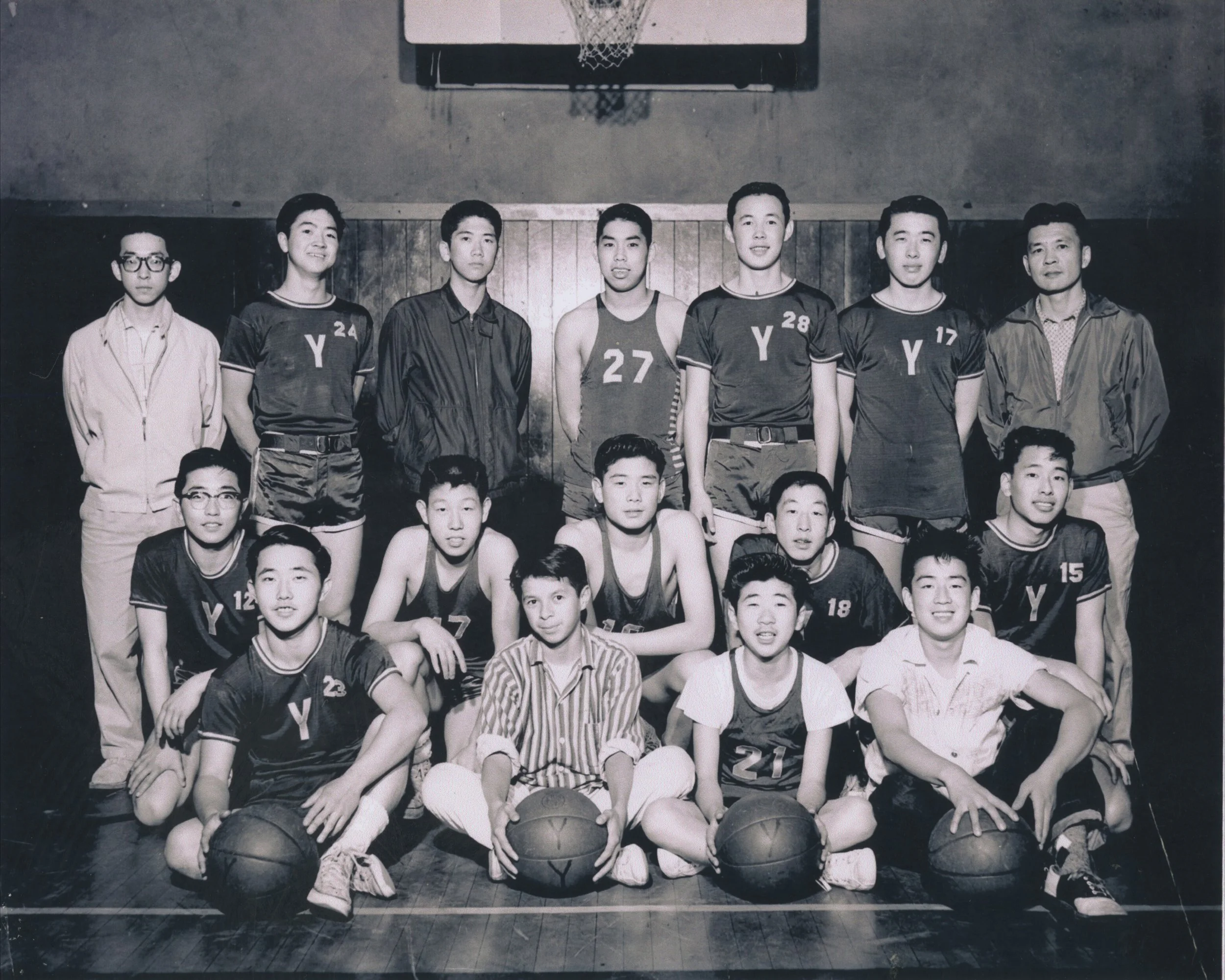
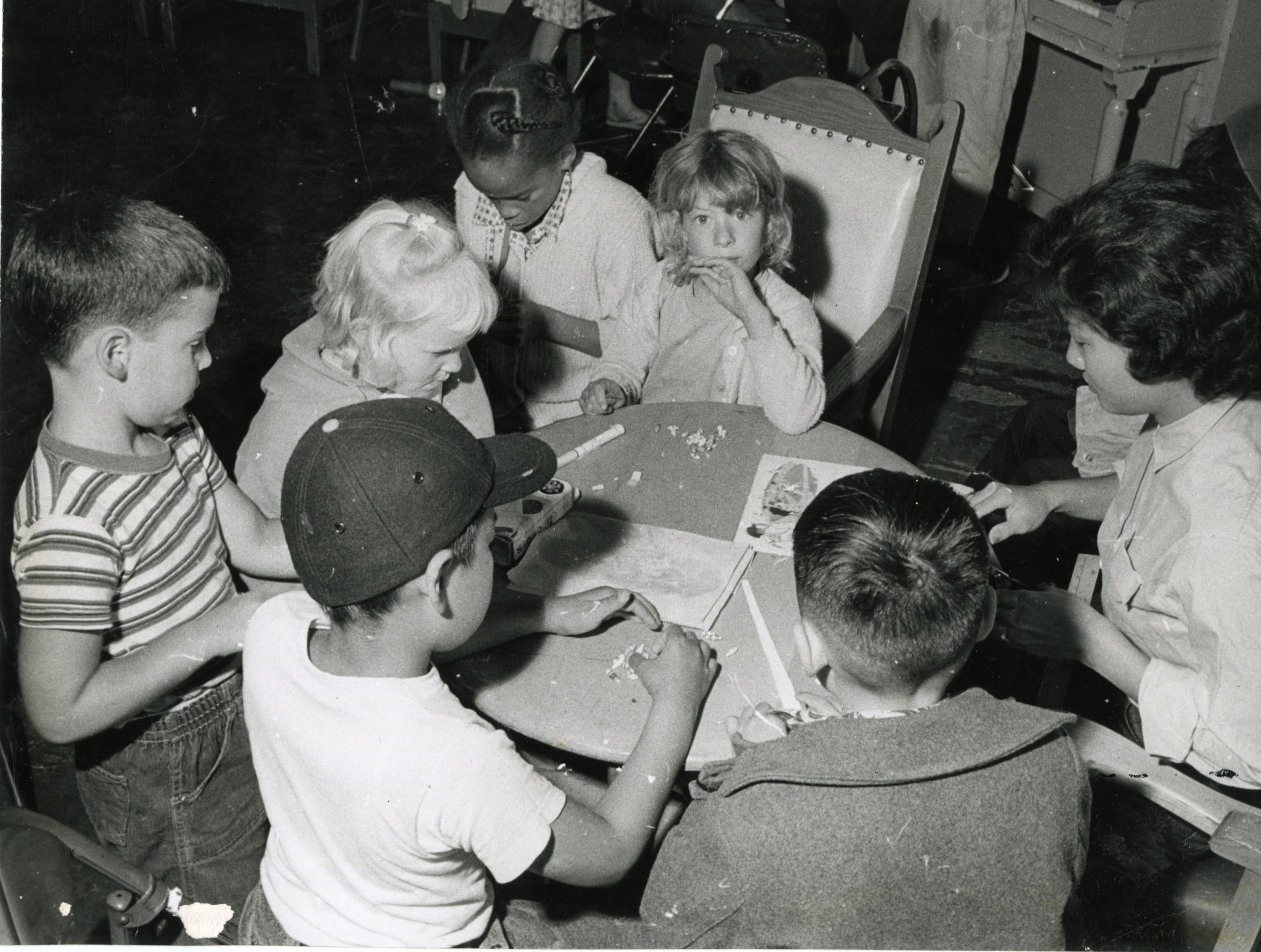
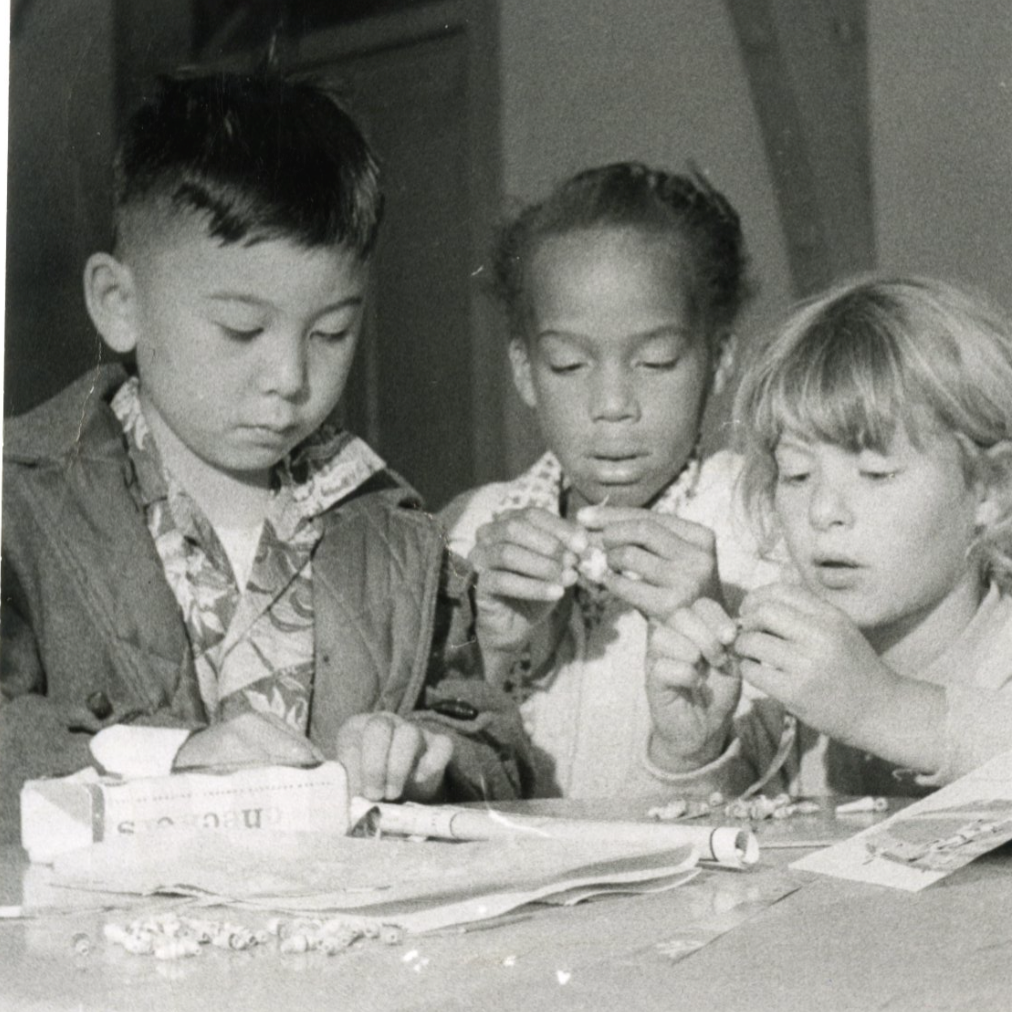
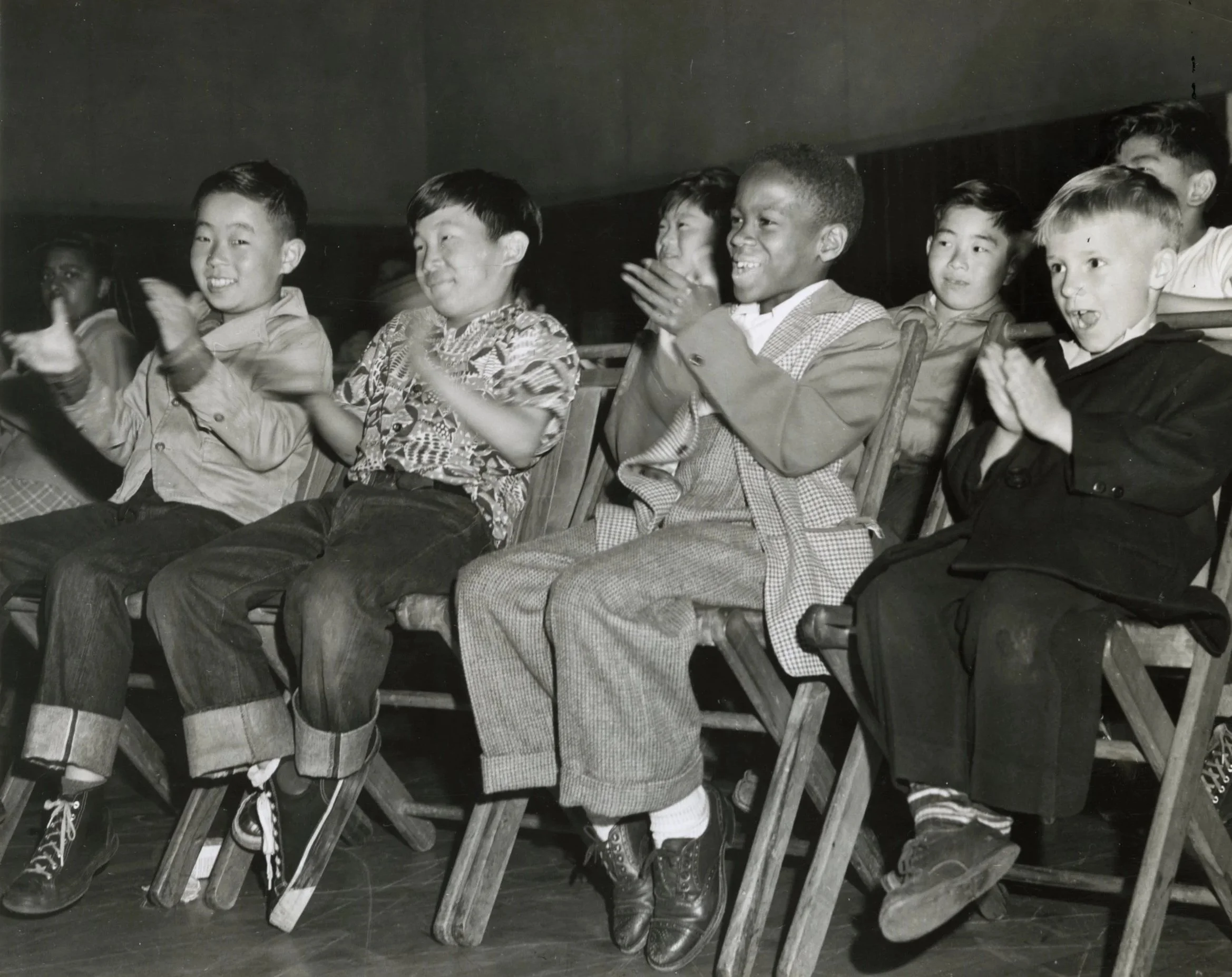
Programs were now operated under the newly named Buchanan YMCA. Fred Hoshiyama was called to the Buchanan YMCA to work with the community, along with African American program director Harry Payne, to launch an interracial program between African Americans and Japanese Americans that served the needs of young people in the neighborhood.

Harry Payne took over as executive director, a position he held until 1966.
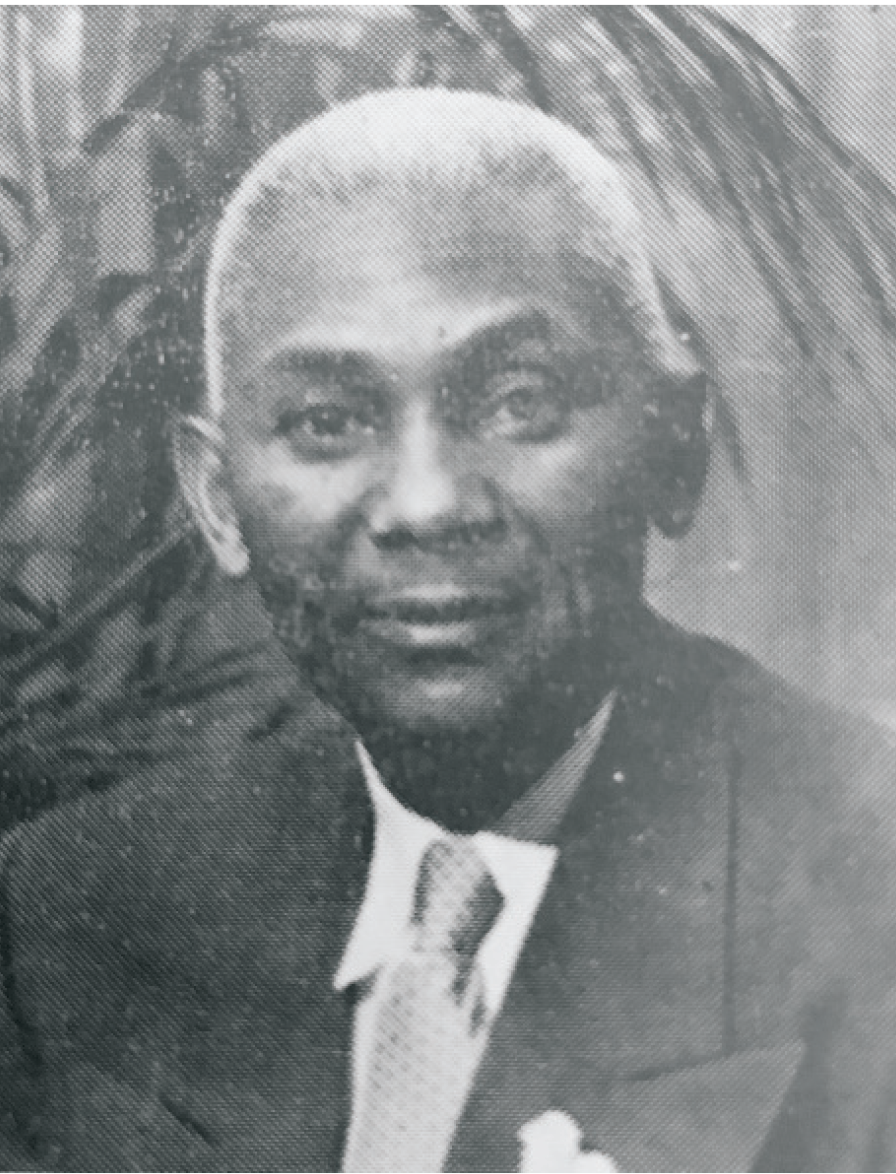

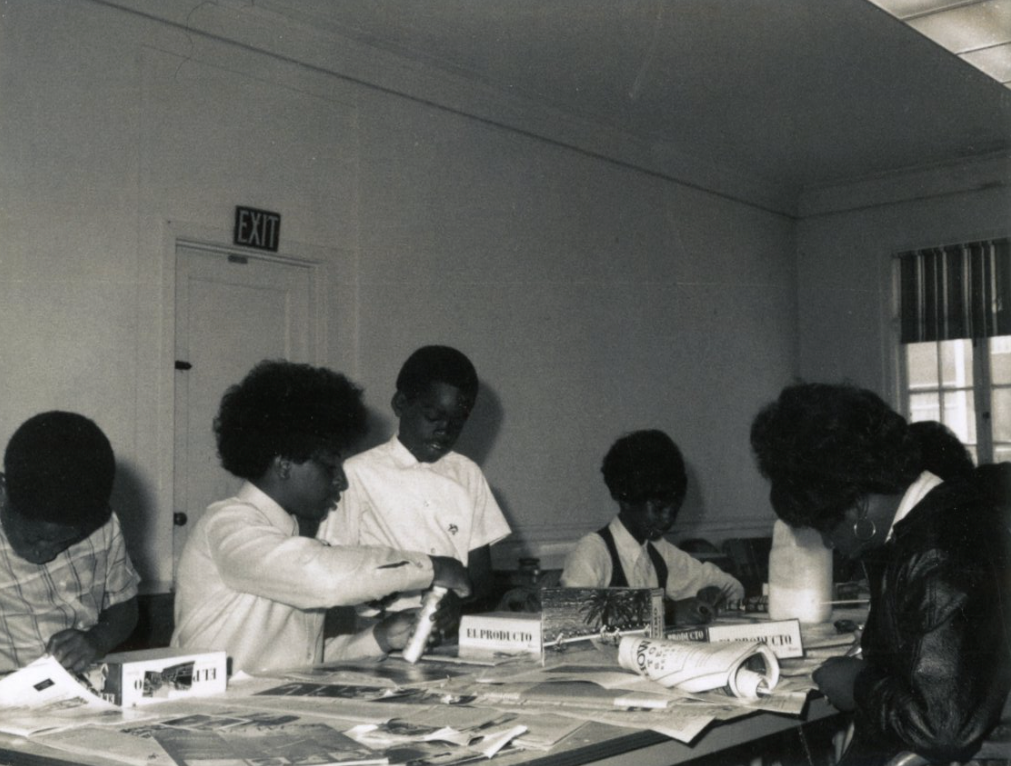
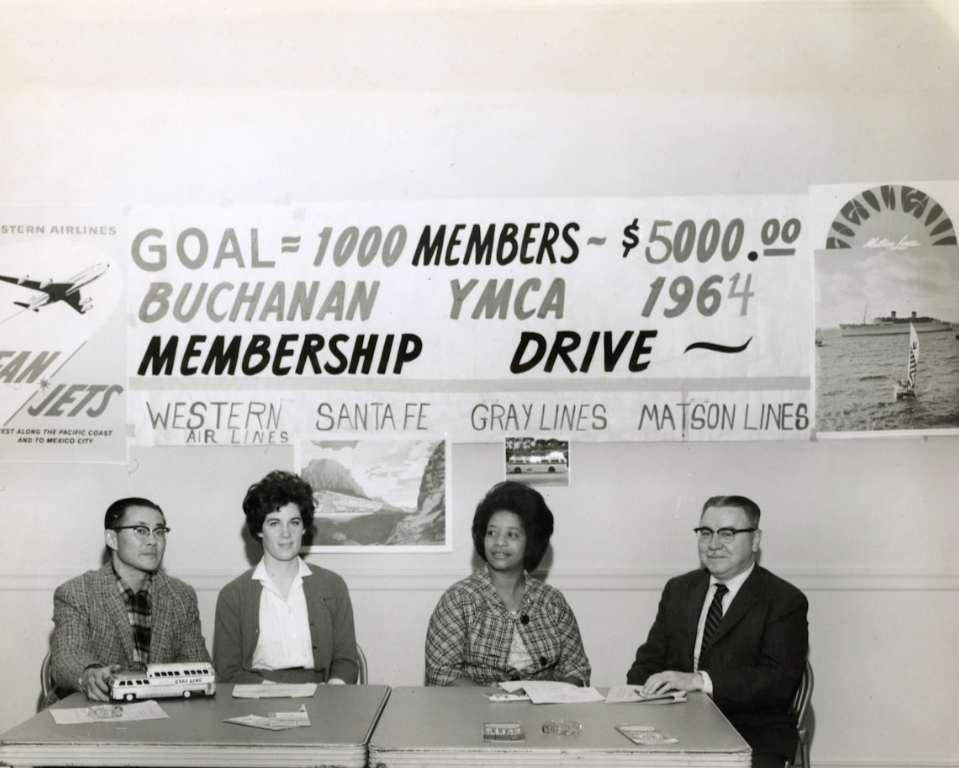
Executive Director Harry Payne concluded his tenure, keeping the branch open as a safe haven as the first phase of neighborhood urban renewal came to an end.


1956
1960-1966
1966

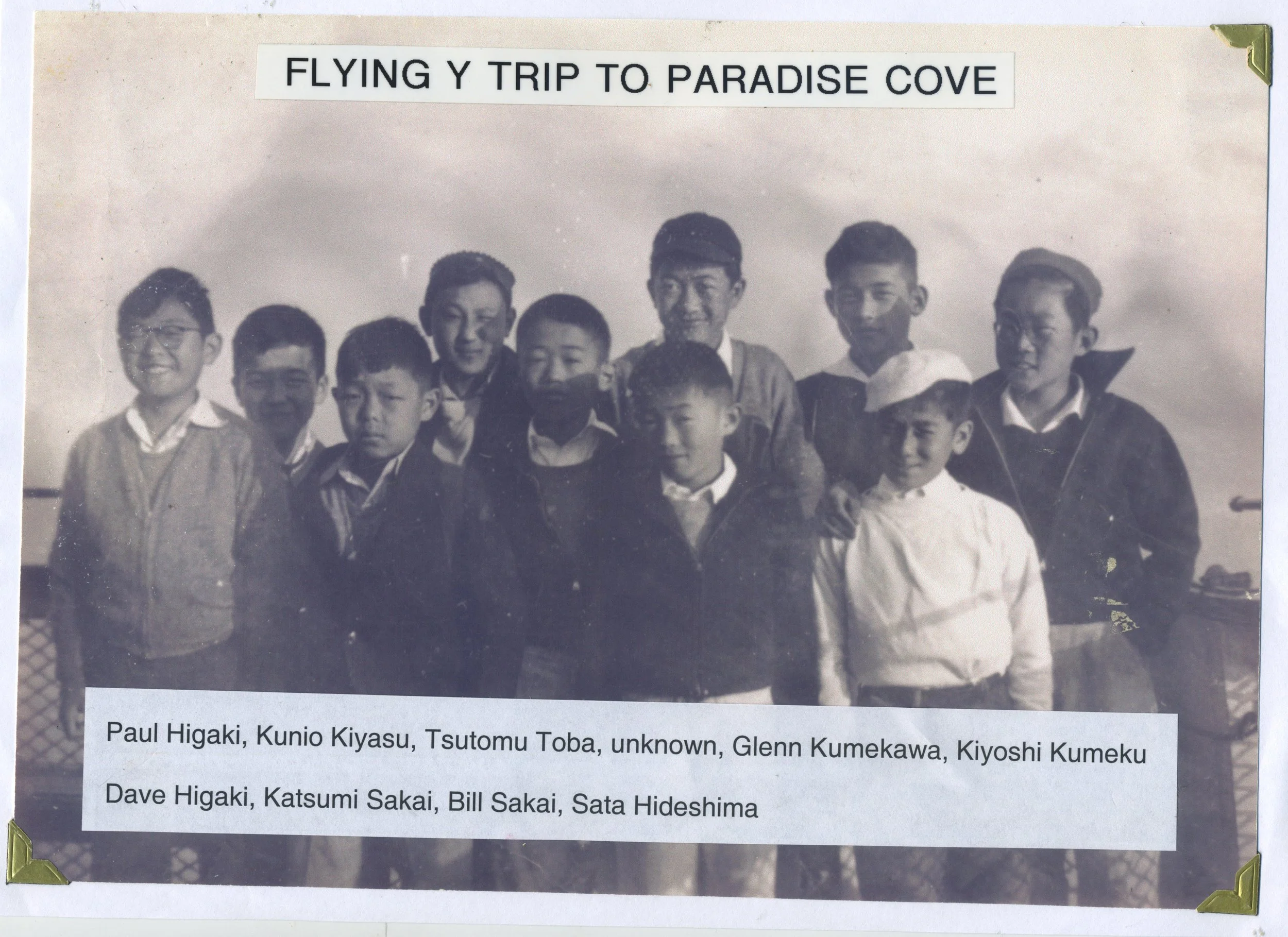
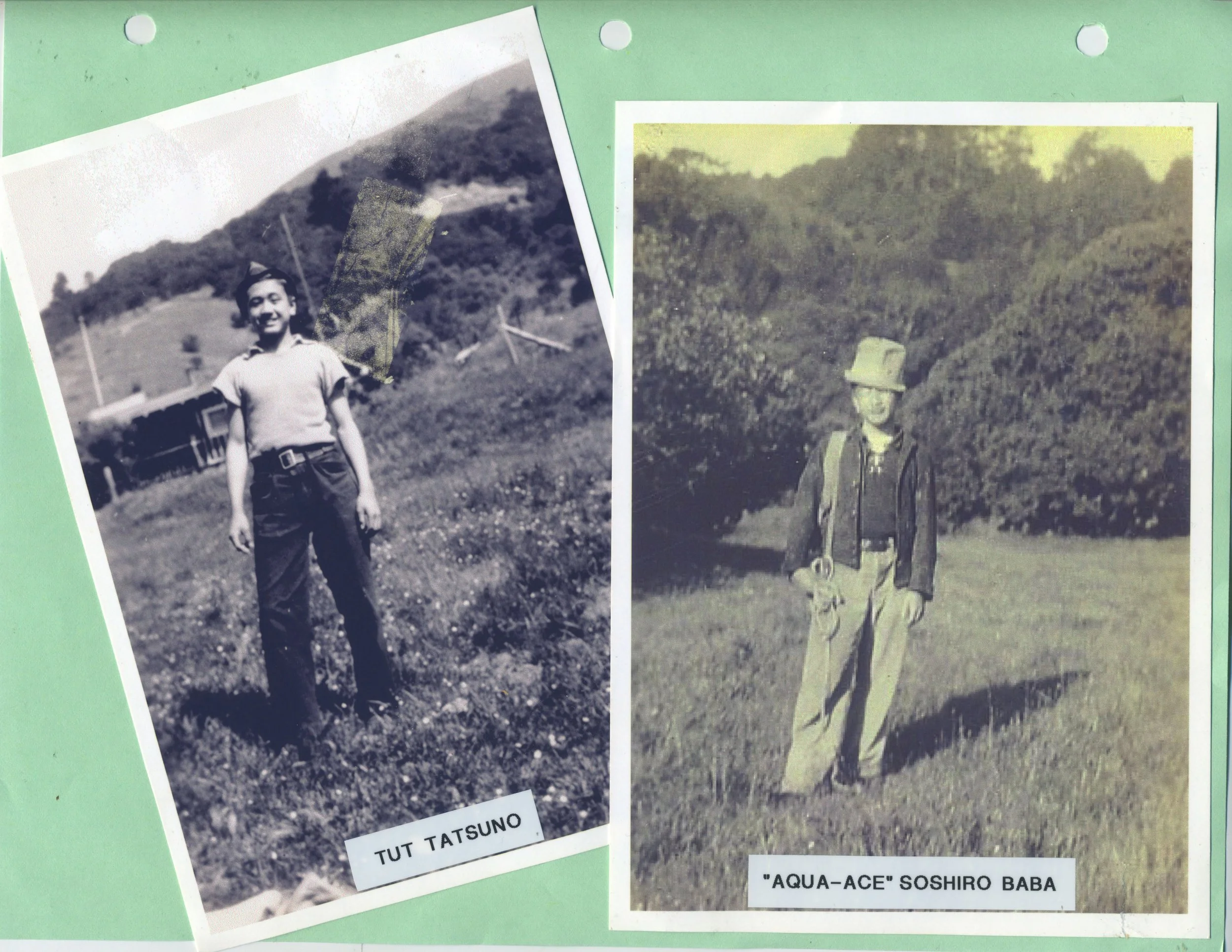
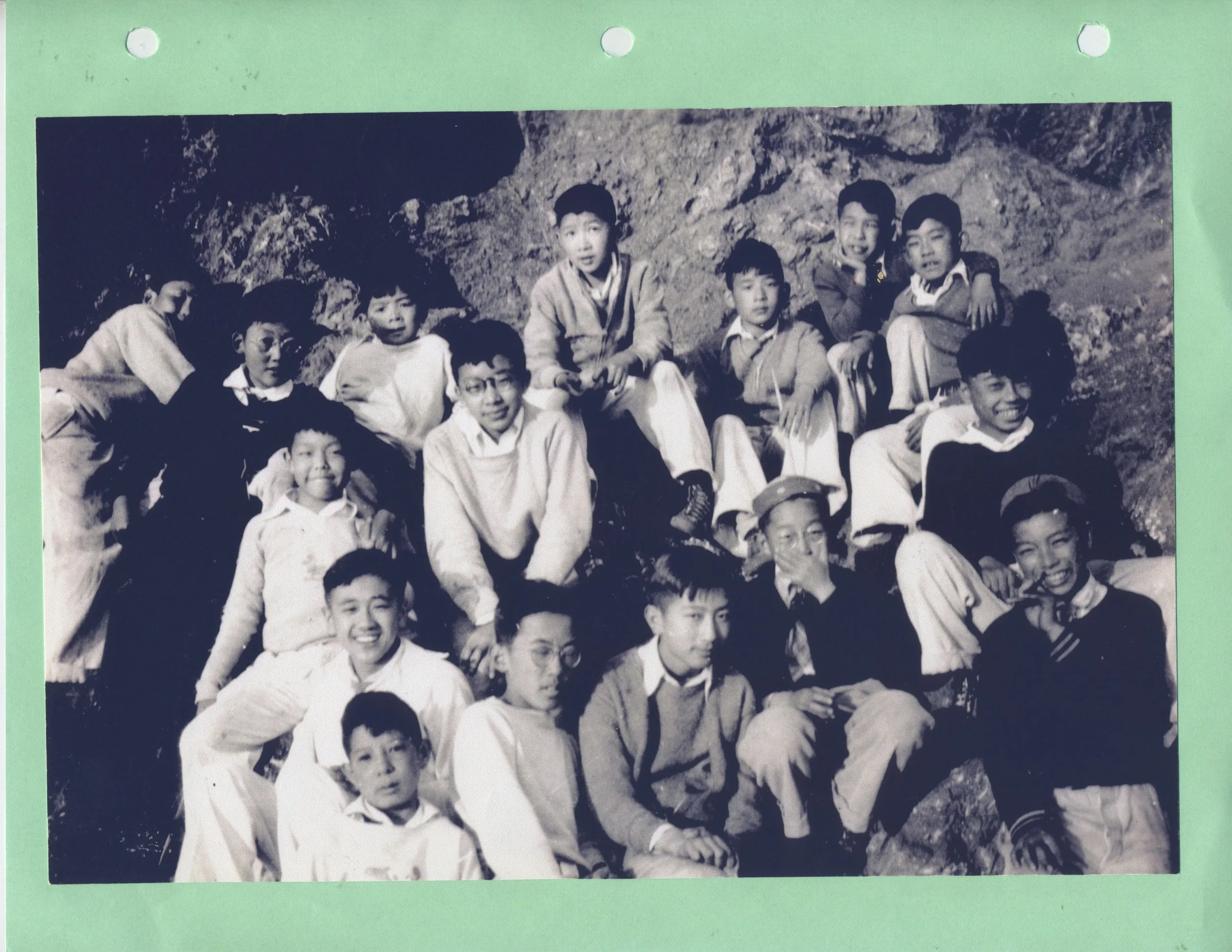
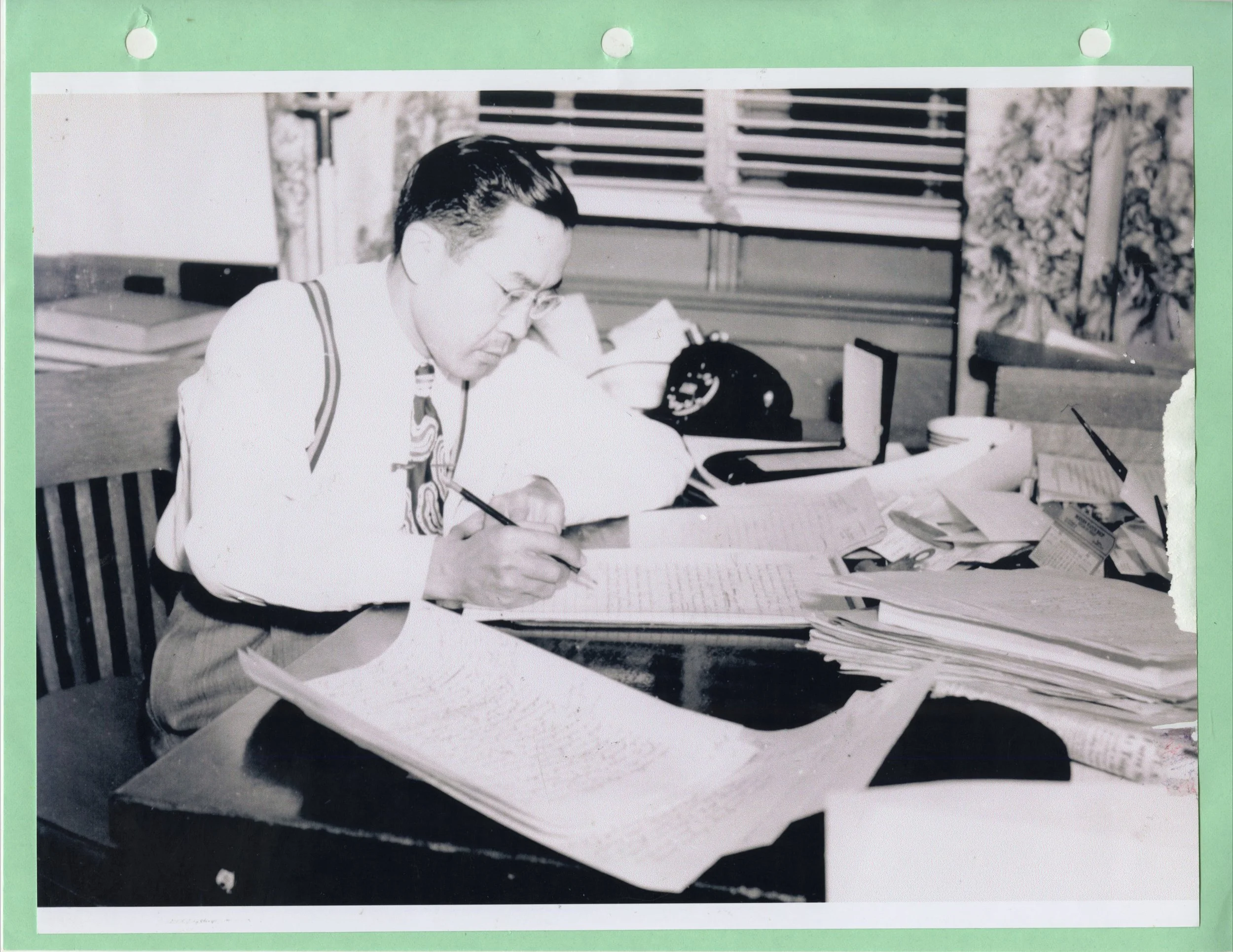
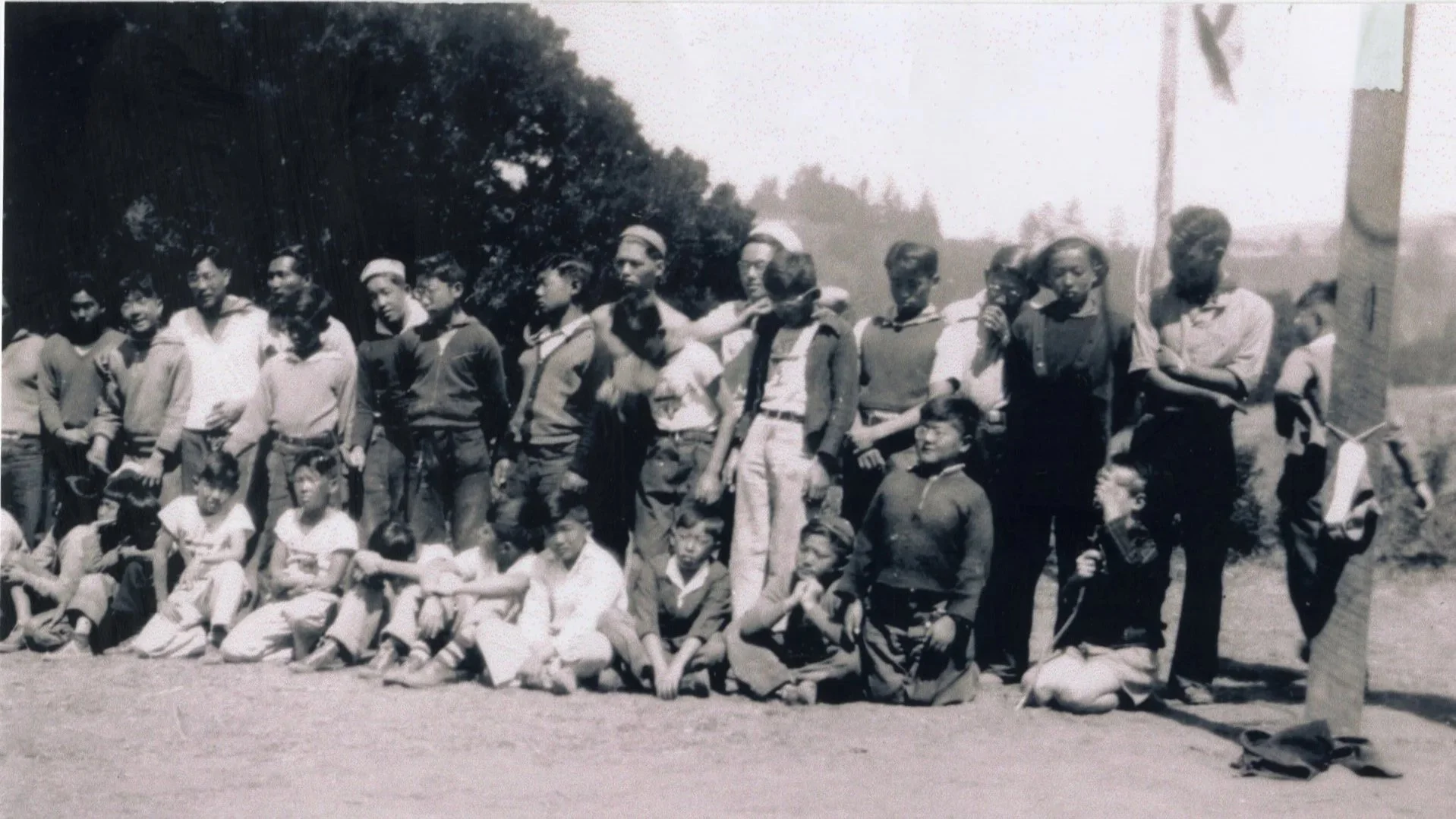
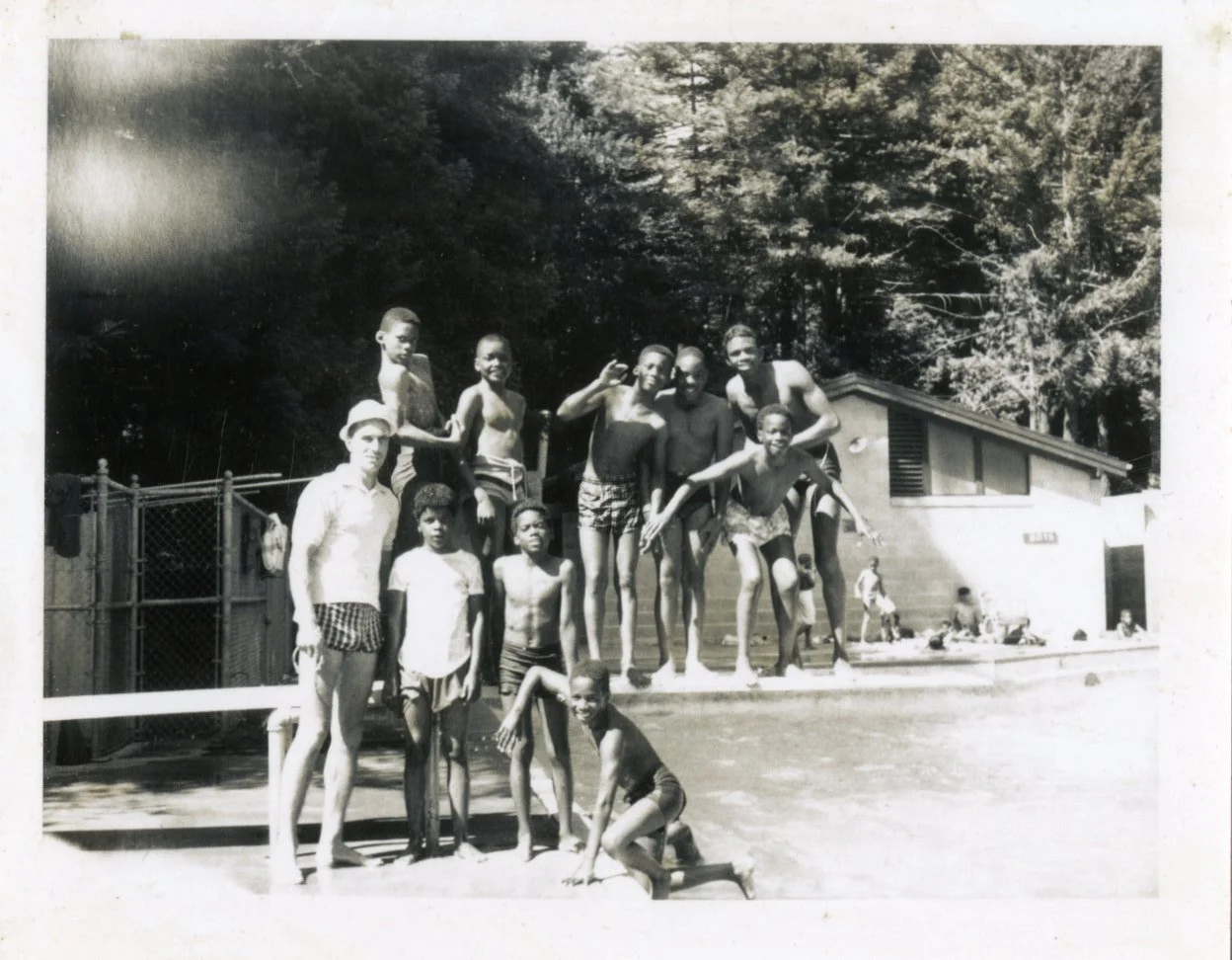
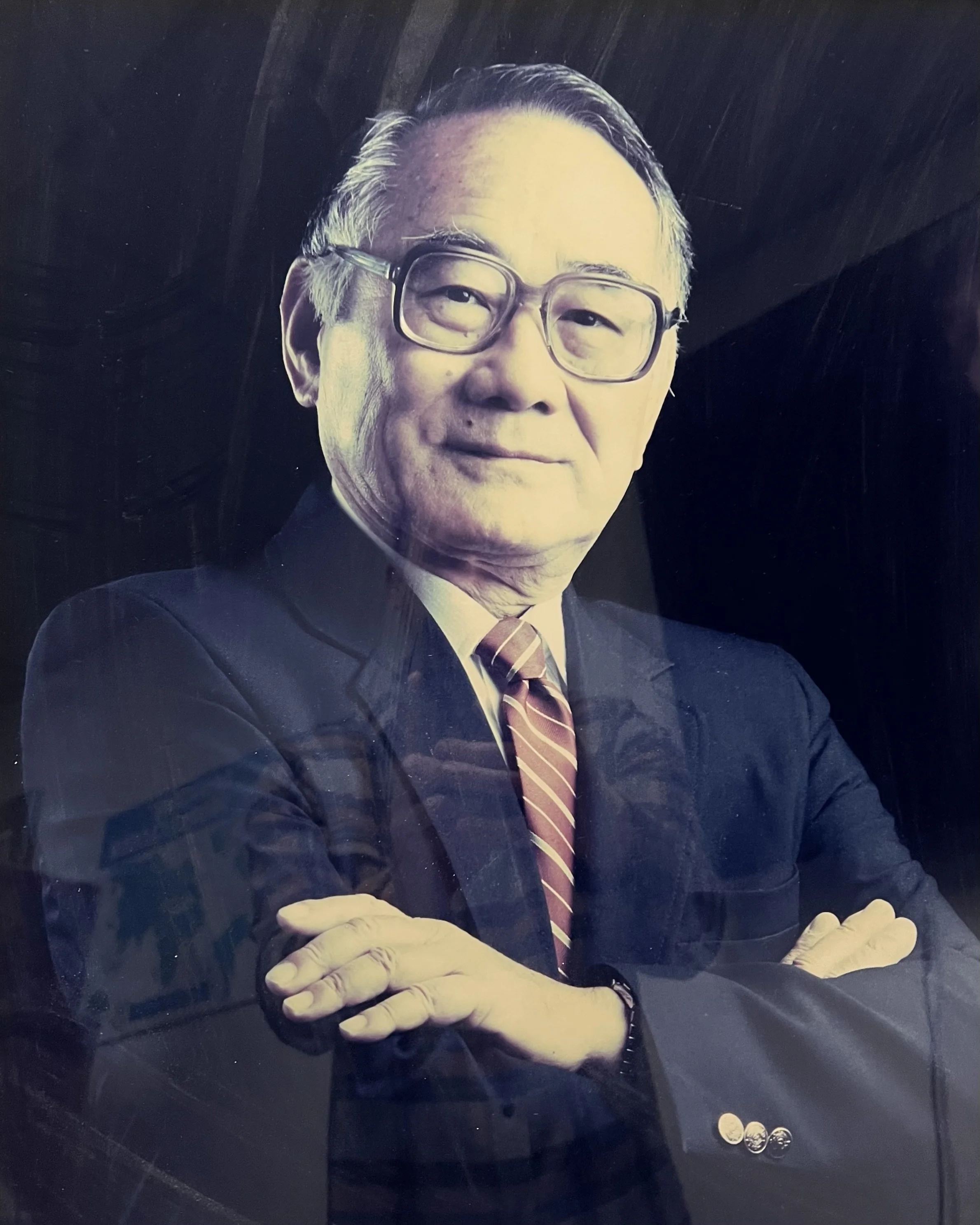
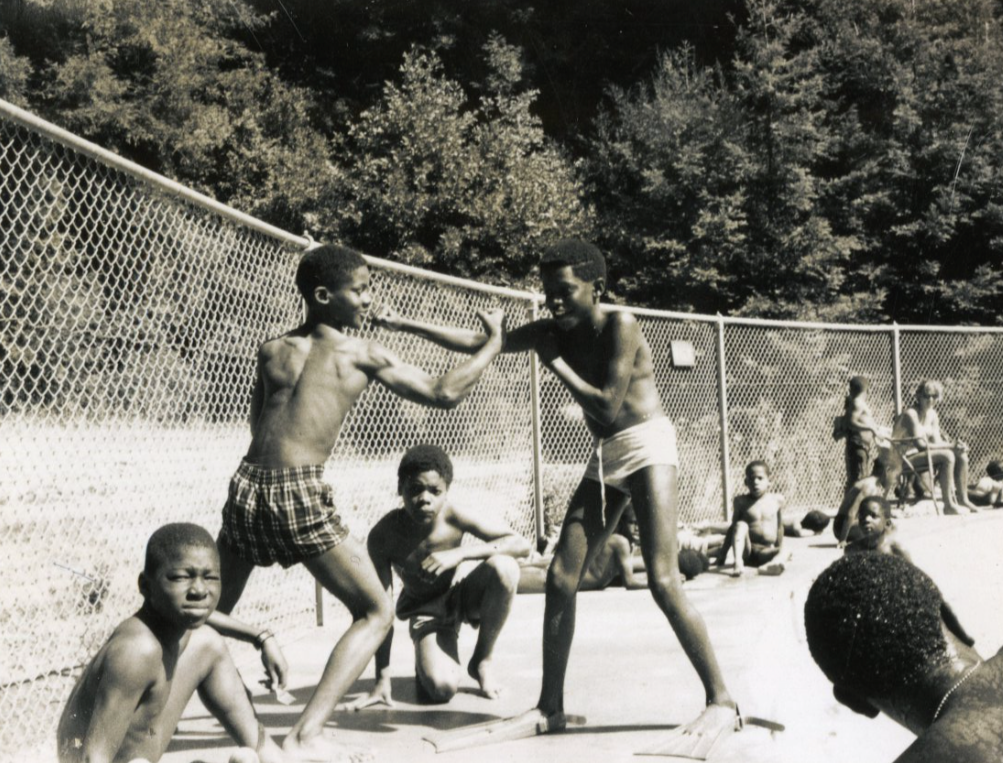
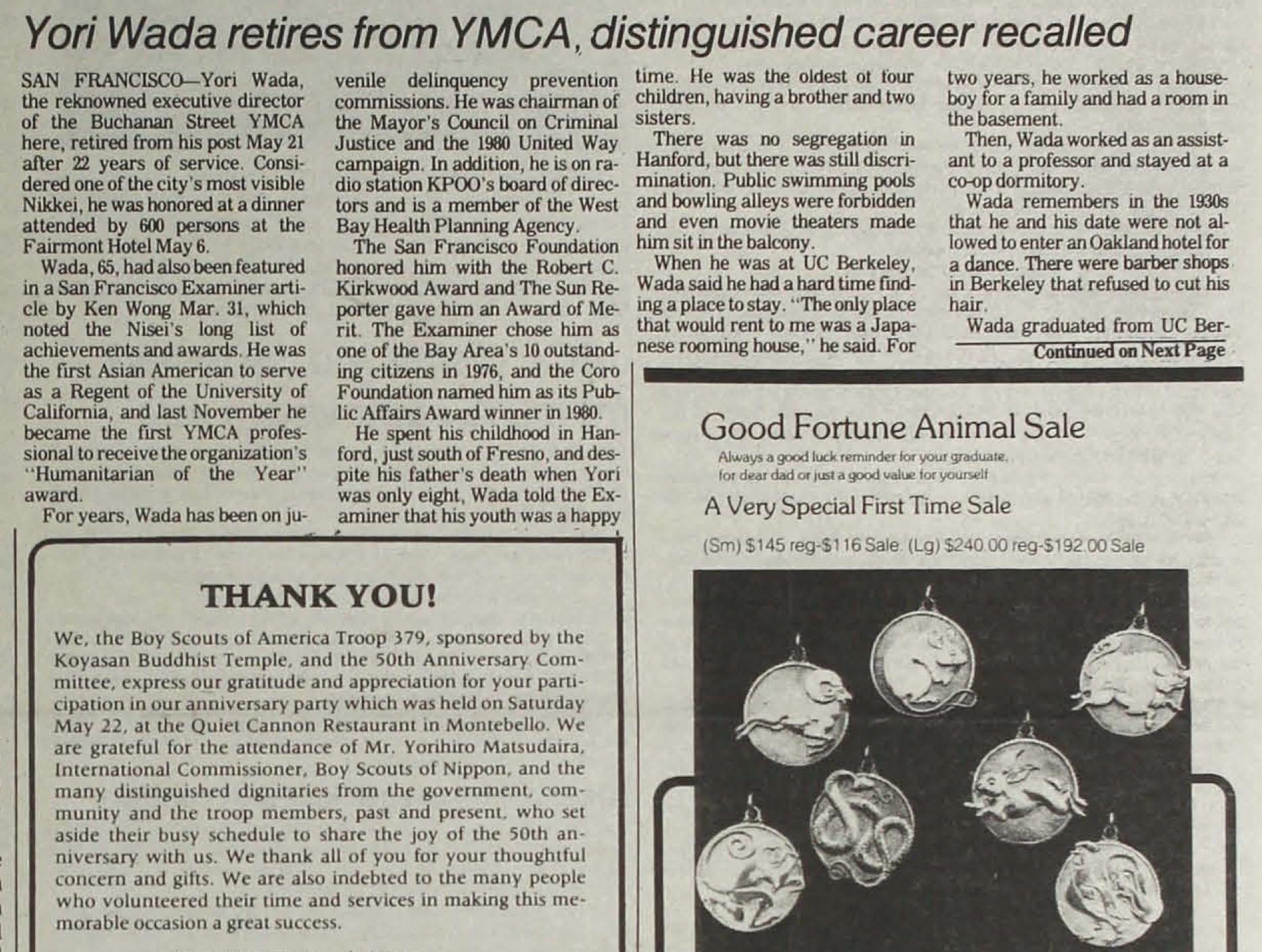
Yoritada “Yori” Wada became executive director of the Buchanan YMCA. Yori carried on the ideals of the founders of the Japanese YMCA and worked tirelessly to meet the needs of the community. He took hundreds of children to camp and influenced the lives of countless young people in the neighborhood. He is best remembered for his efforts to make the Buchanan YMCA a neutral zone for children, using the YMCA’s history, facilities, volunteers, and staff to improve the human condition.
1950s
Programs serving the needs of the community continued, and the building was filled with community-building activities.

1957-1959
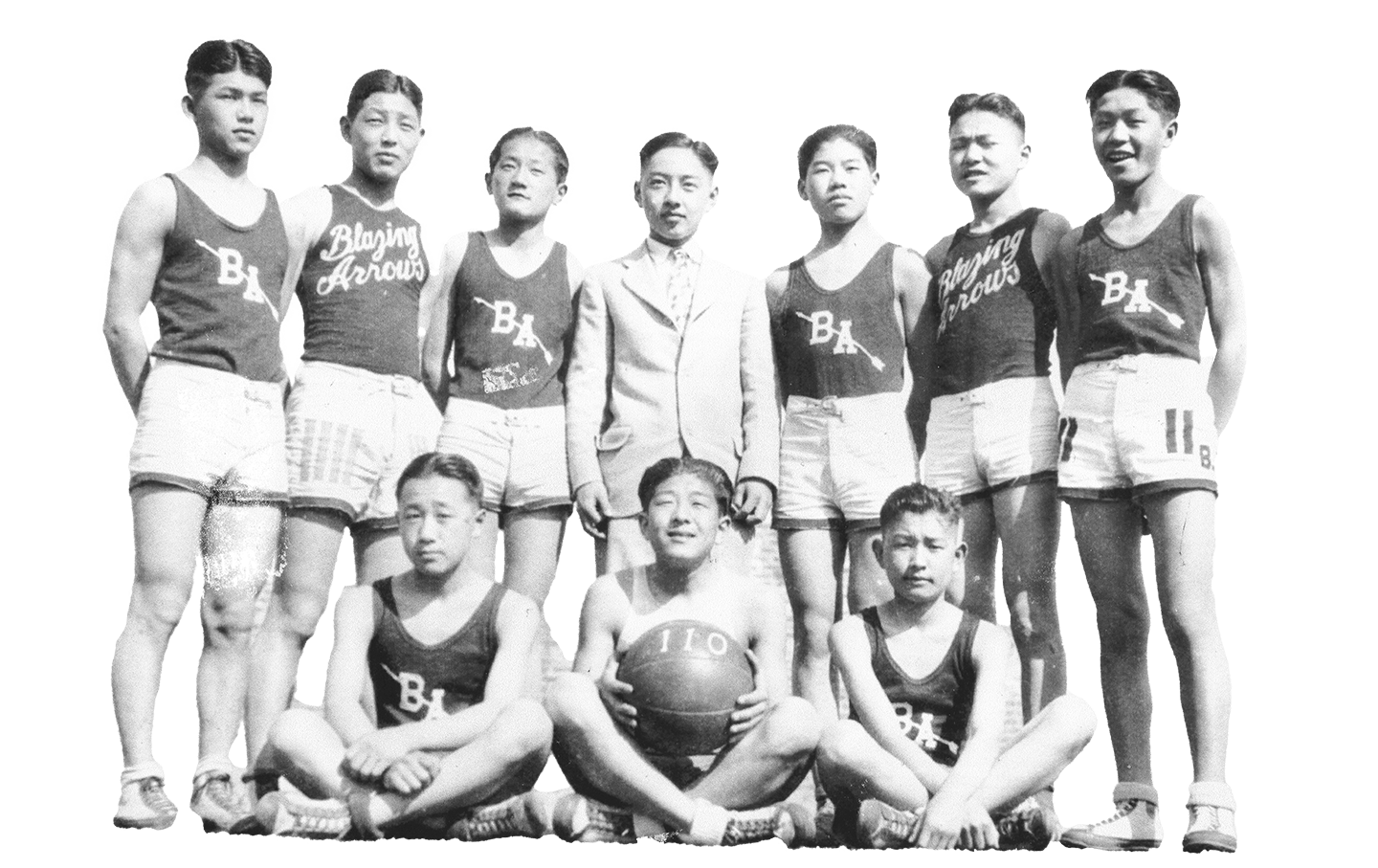
Under Harry Payne’s direction, programs adjusted to the neighborhood’s shifting demographics. The facility hosted multicultural youth sports programs, local basketball clubs, and emergency community services to support the families who remained amid the ongoing displacement of the late 1950s.
1964

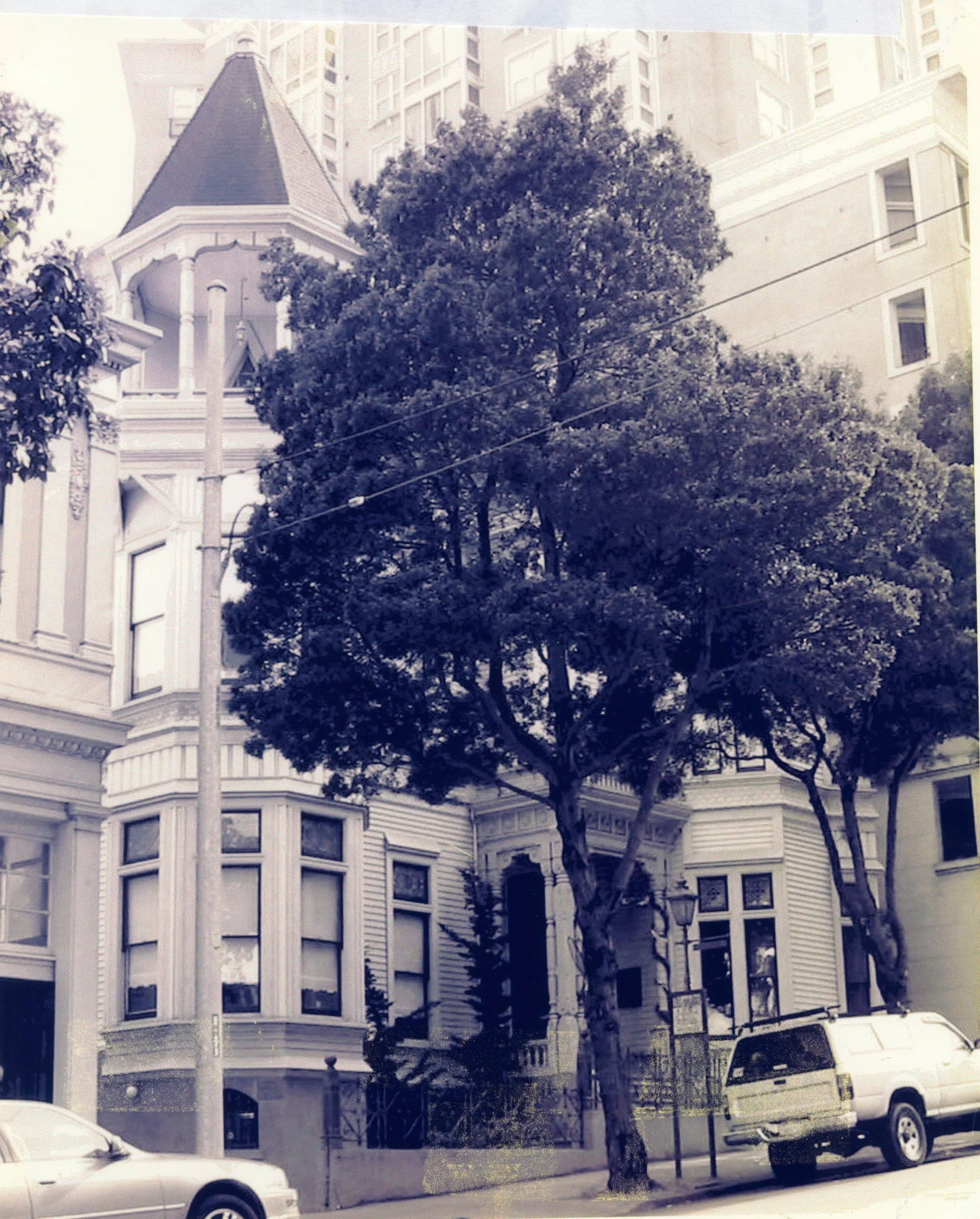
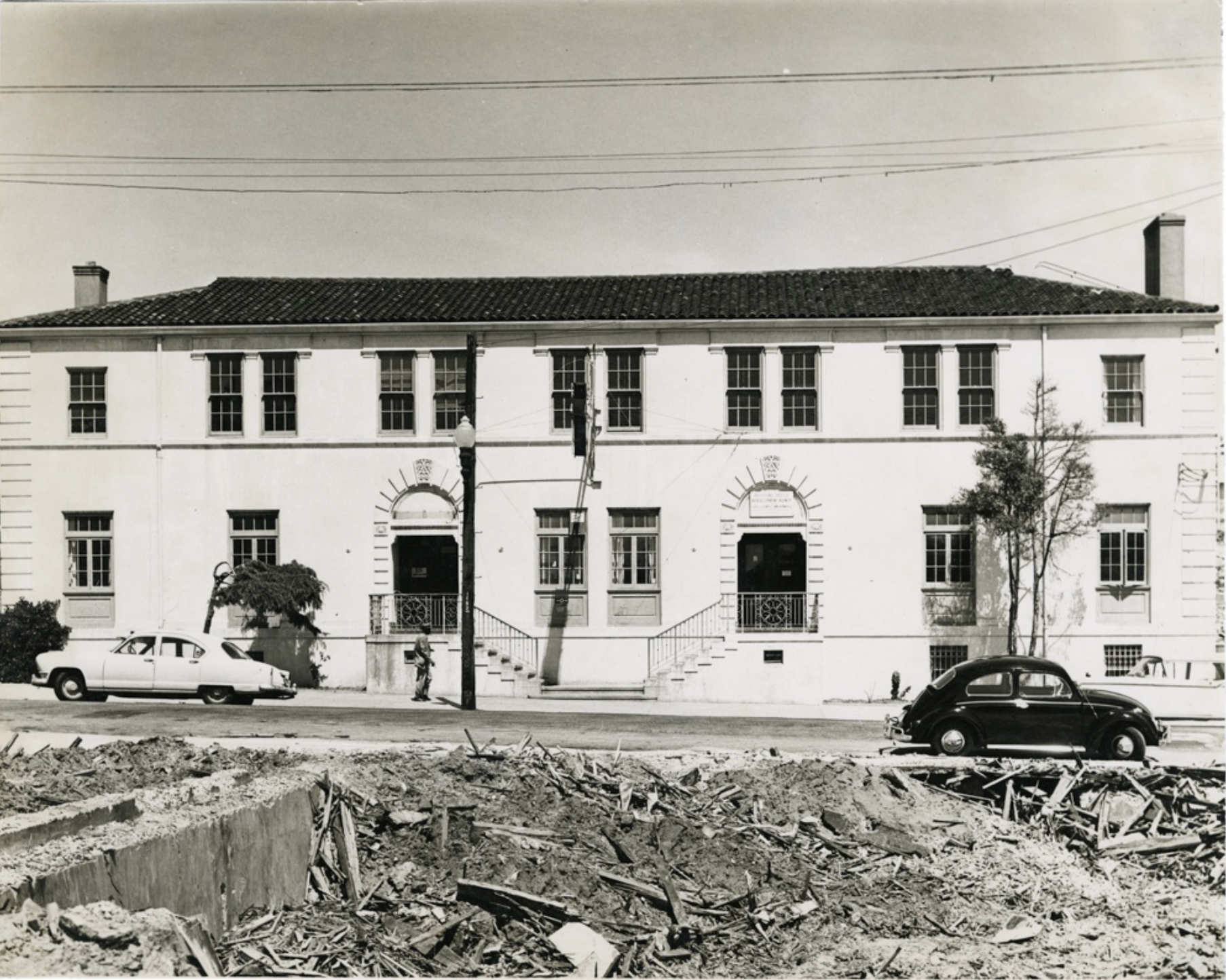
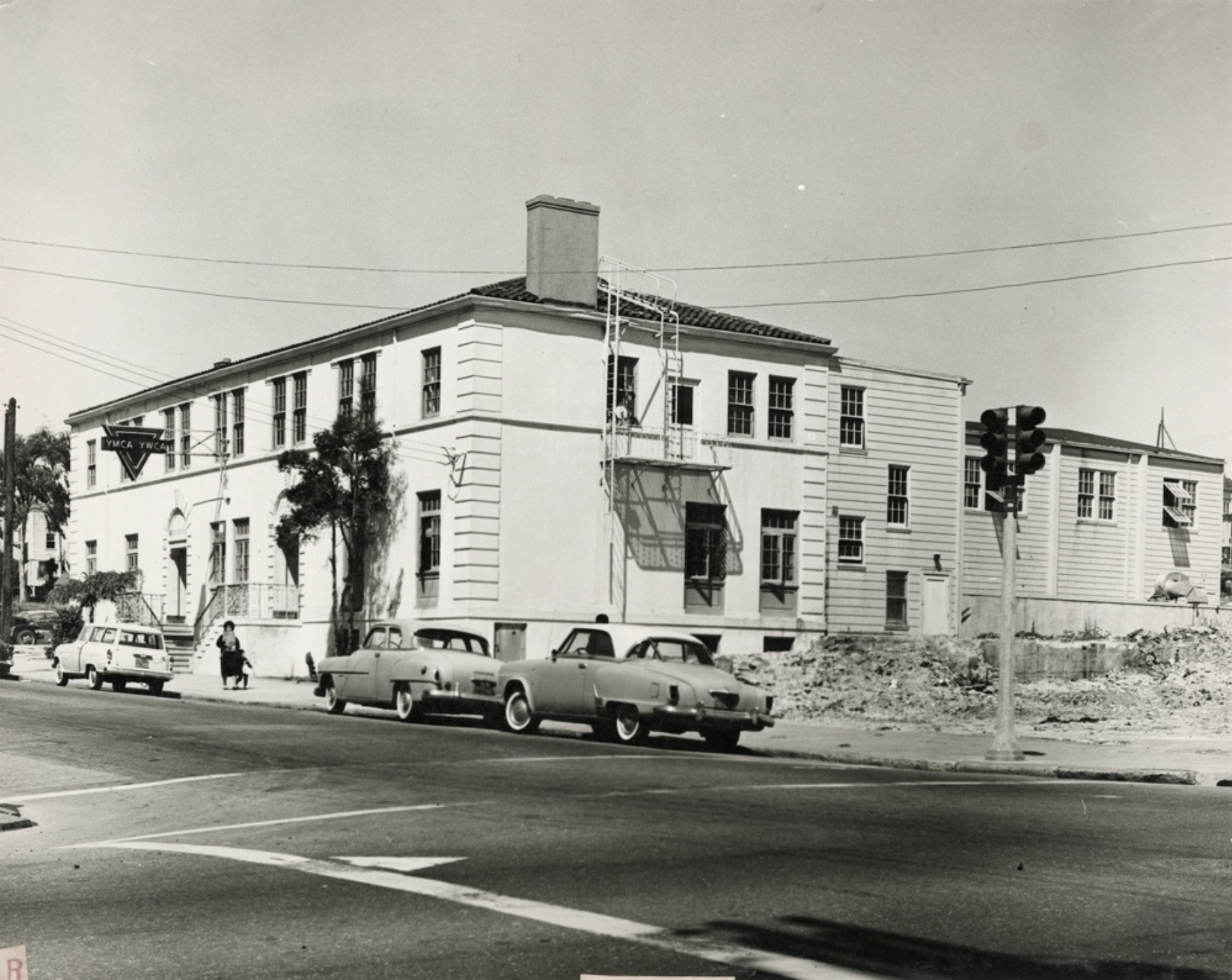
The city’s massive redevelopment projects physically surrounded the facility. Photographs from August 20, 1964, show the YMCA building at 1530 Buchanan Street standing alone and intact while the city aggressively cleared hundreds of neighboring Victorian homes that had housed families for generations.
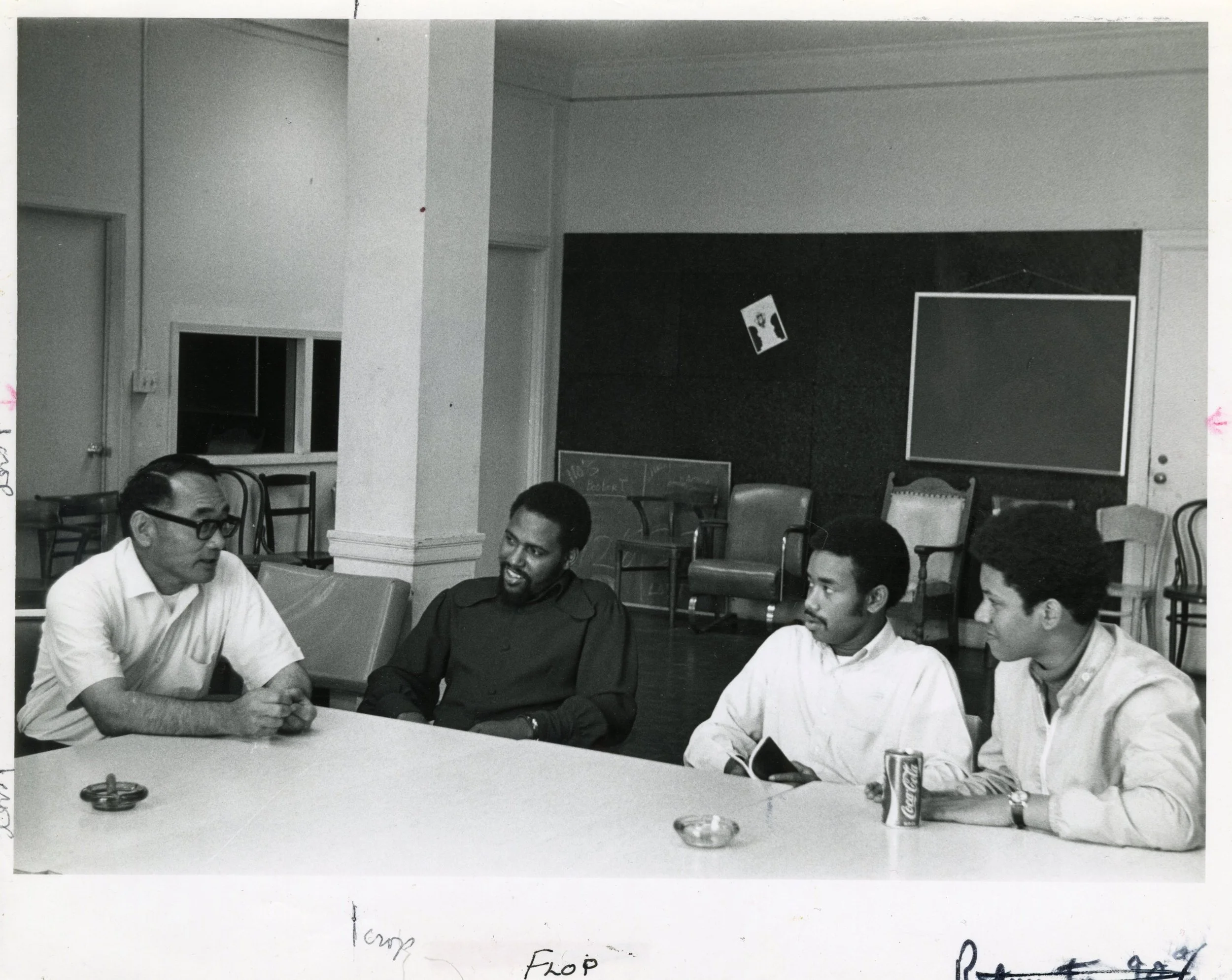
1968

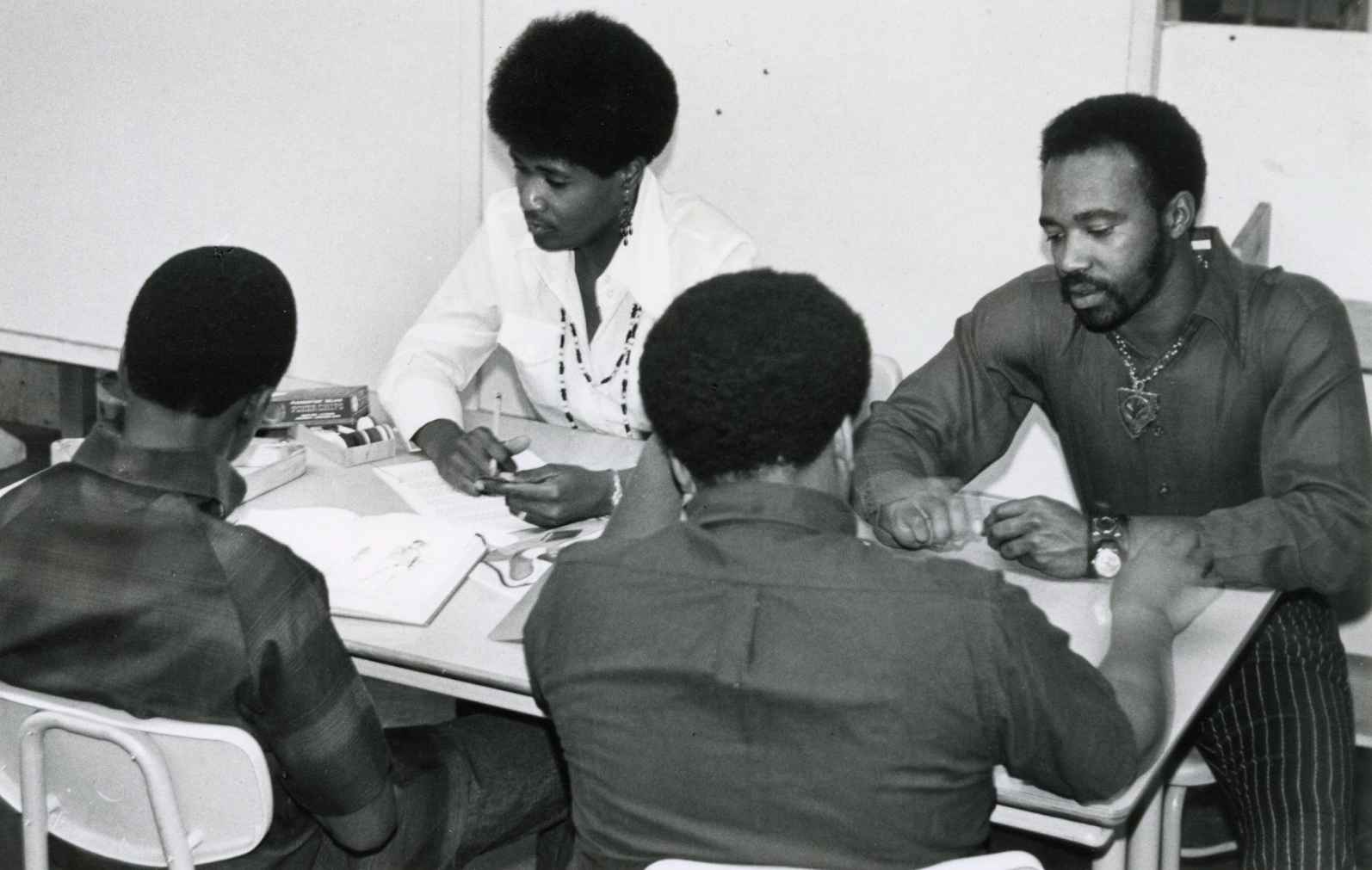
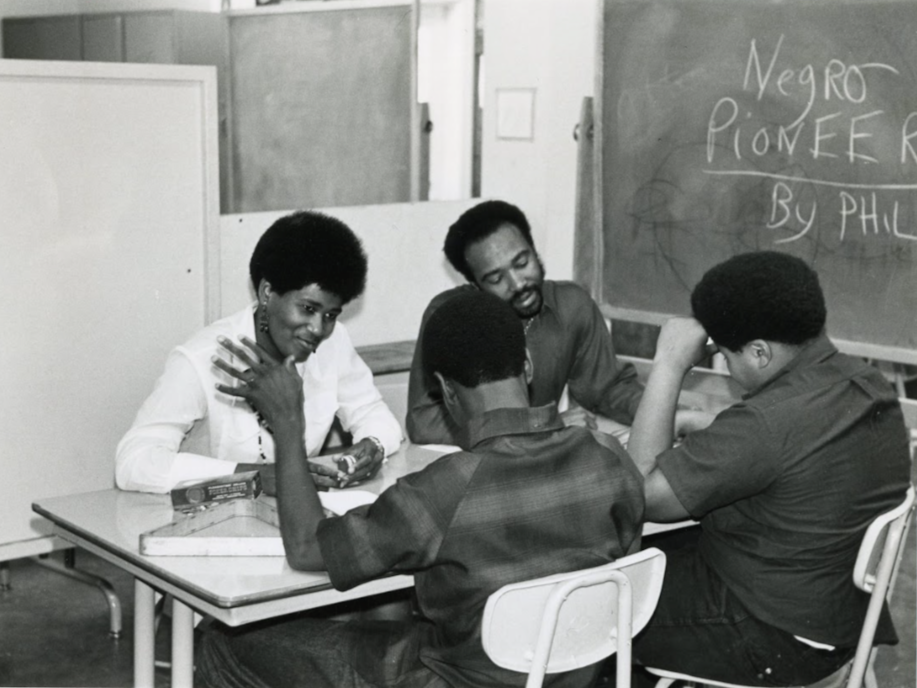
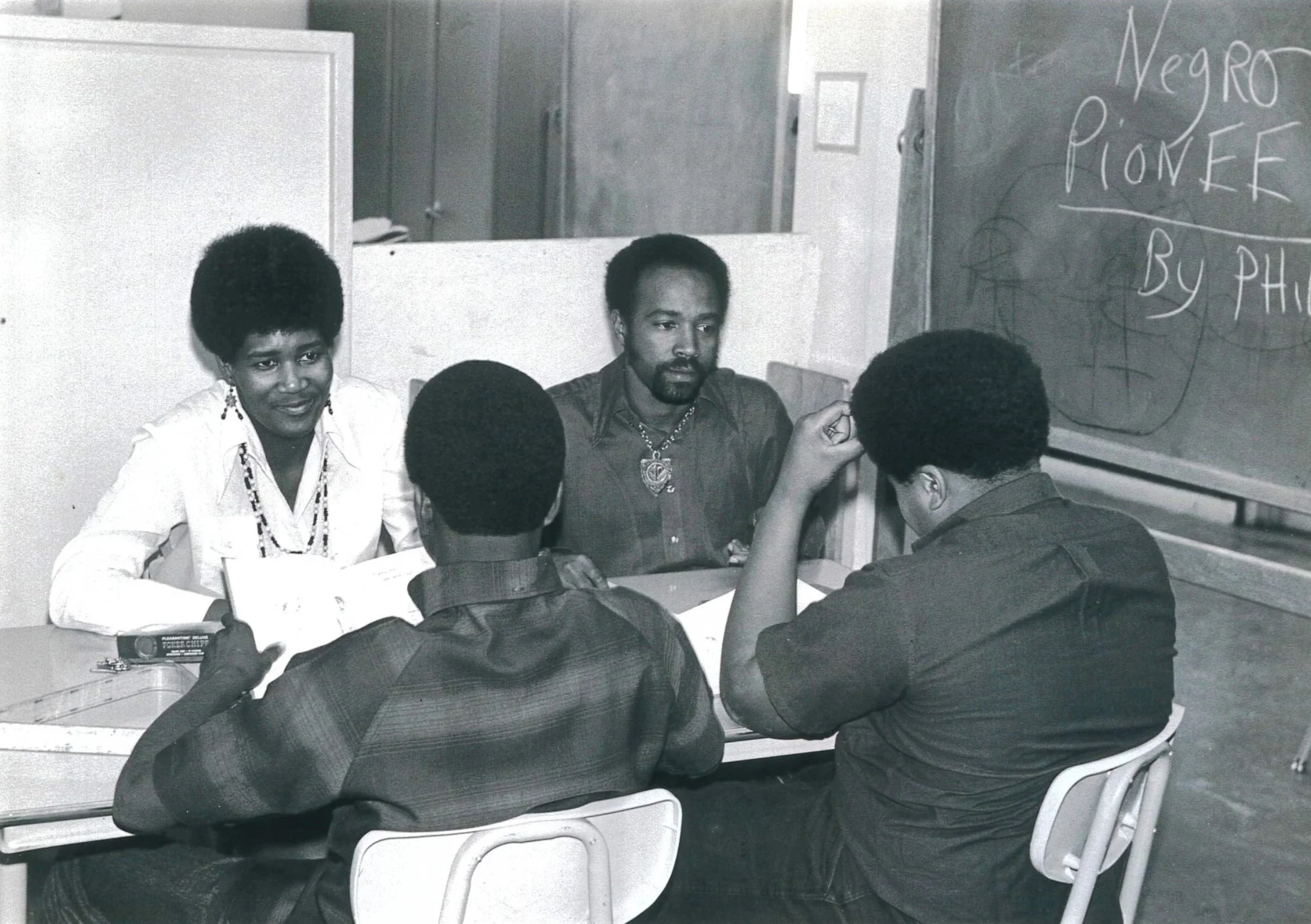
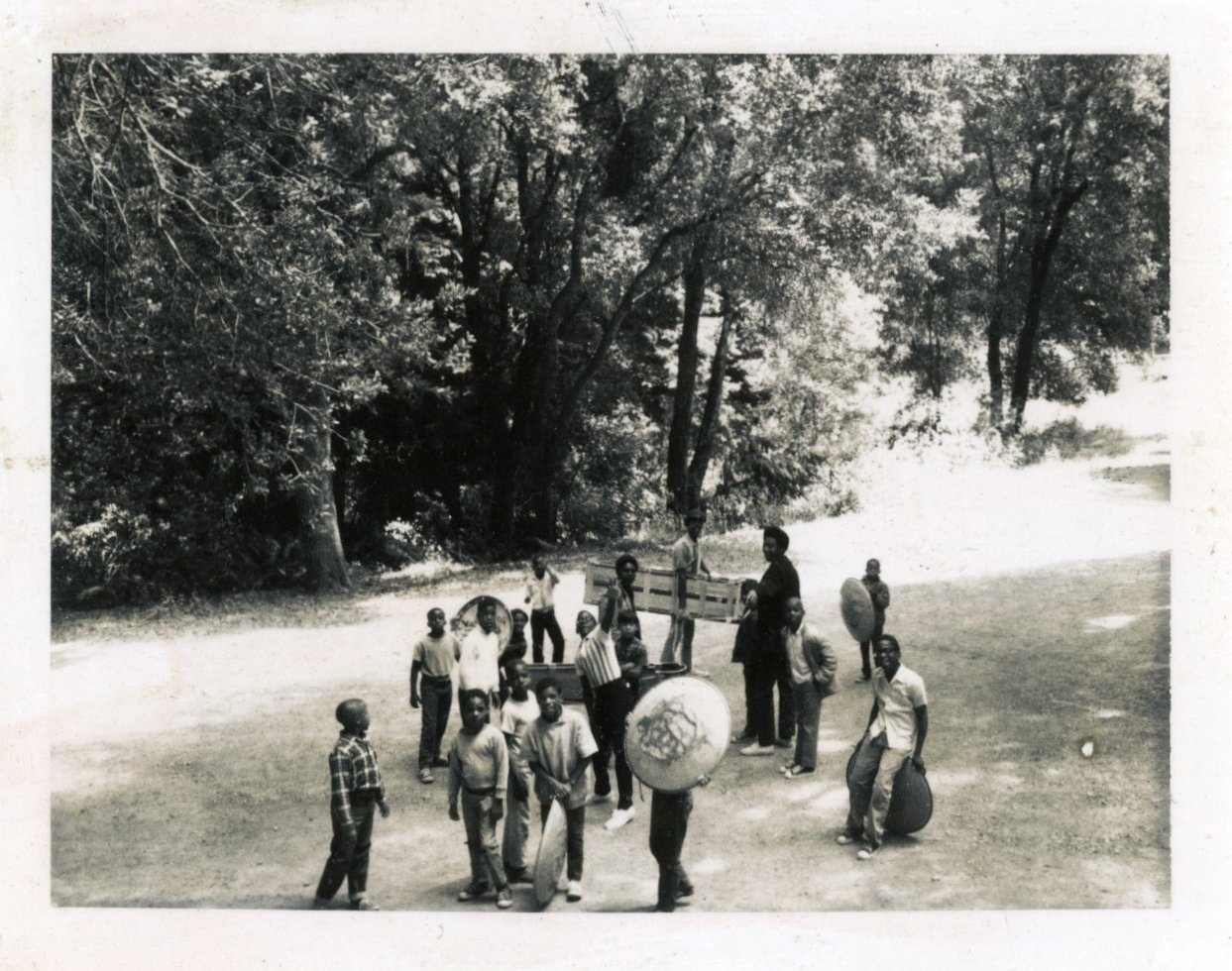
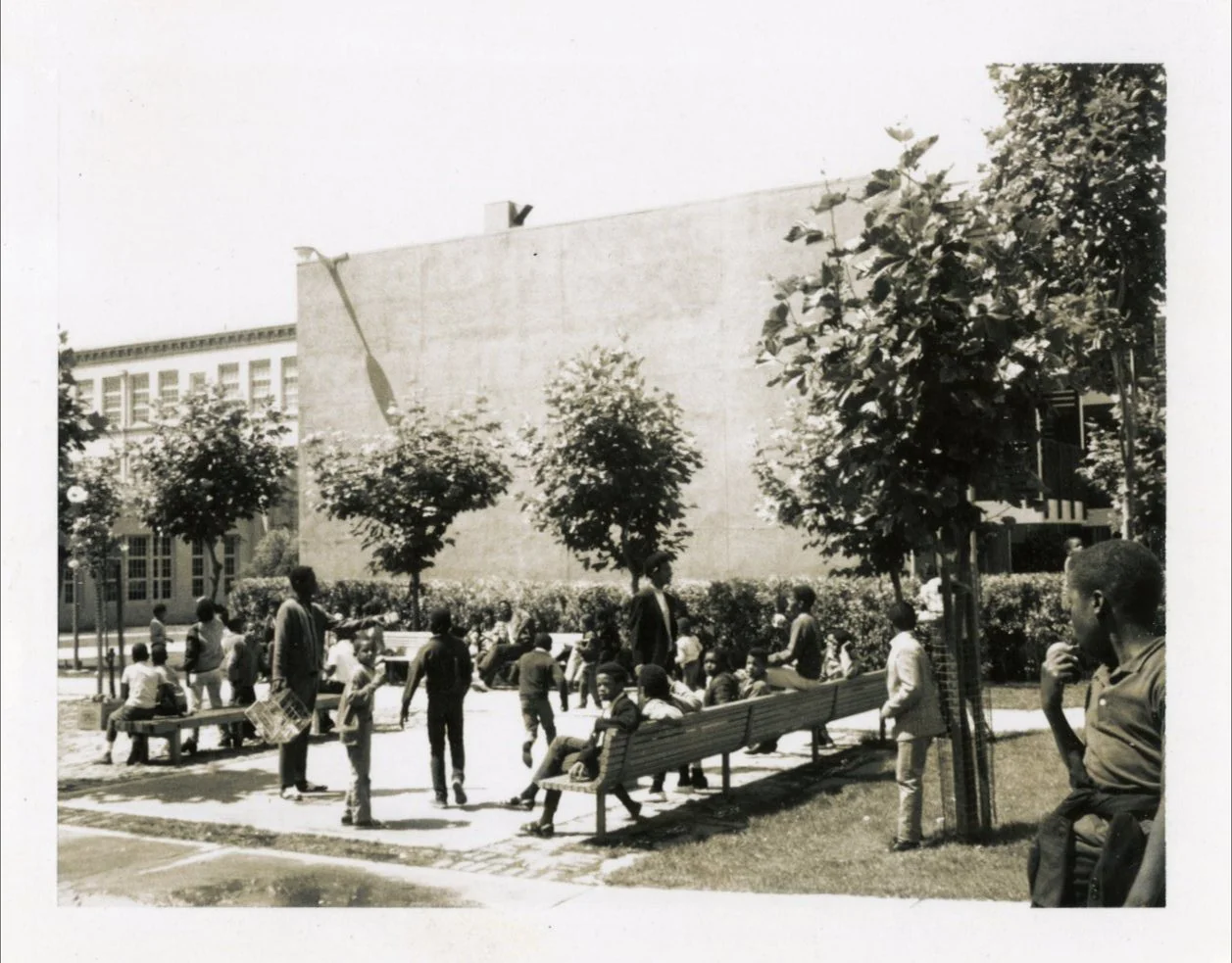
The Buchanan YMCA launched a pioneering, experimental summer program designed to bridge neighborhood divides and build interracial understanding between African American and Japanese American students in the changing Western Addition.
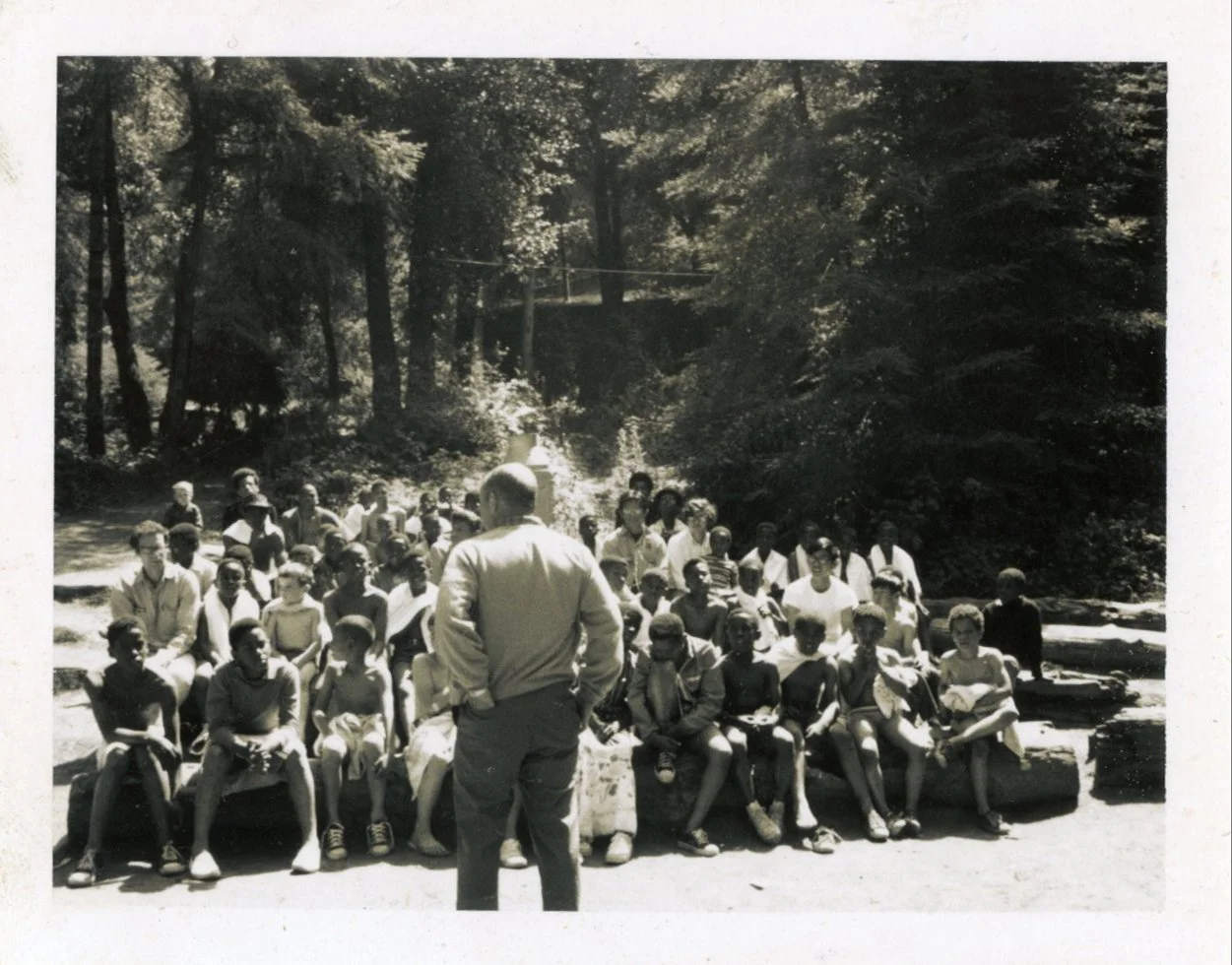

1970-1979
Throughout a turbulent decade, the Buchanan YMCA operated as a strict neutral zone, remaining a trusted sanctuary where neighborhood youth could find safety, food, and academic guidance without judgment.

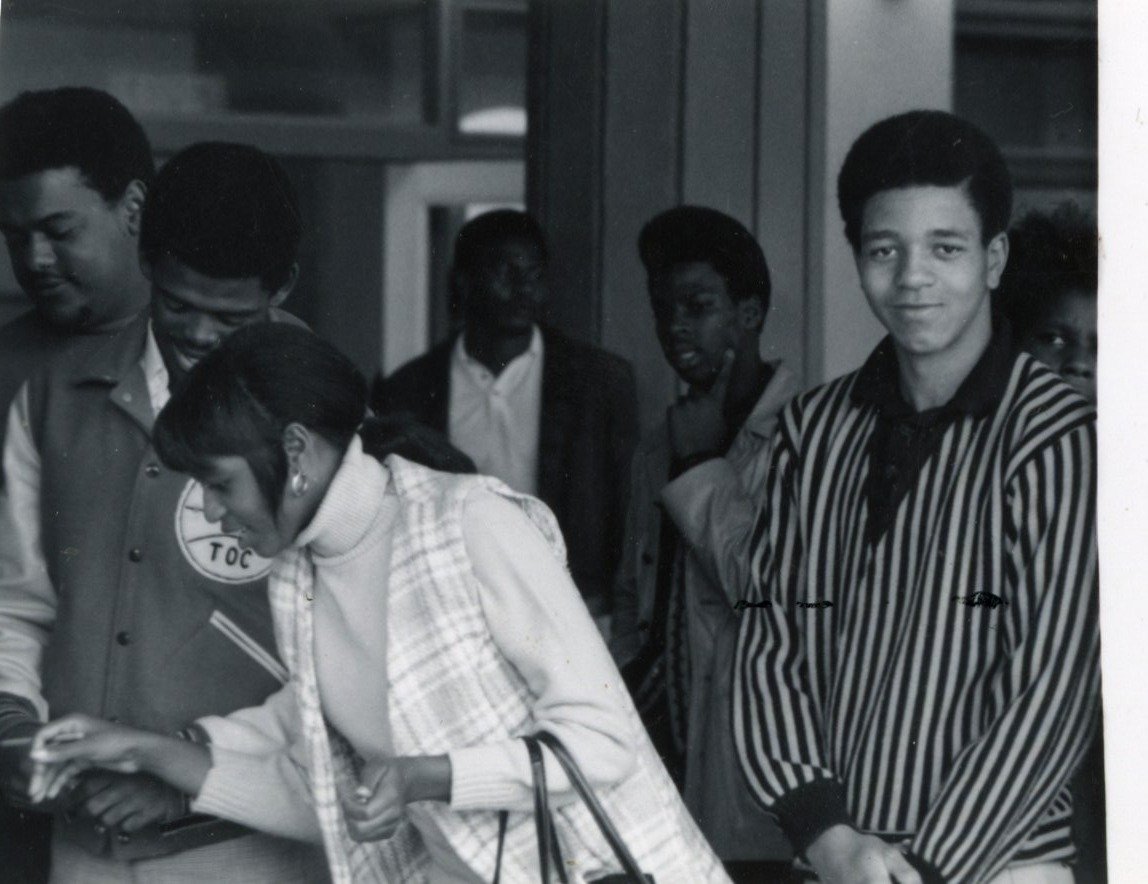
1973
Activists with Citizens Against Nihonmachi Evictions (CANE) organized inside the Buchanan YMCA, using the facility to plan strategies to protect local residents and small businesses from displacement caused by redevelopment.
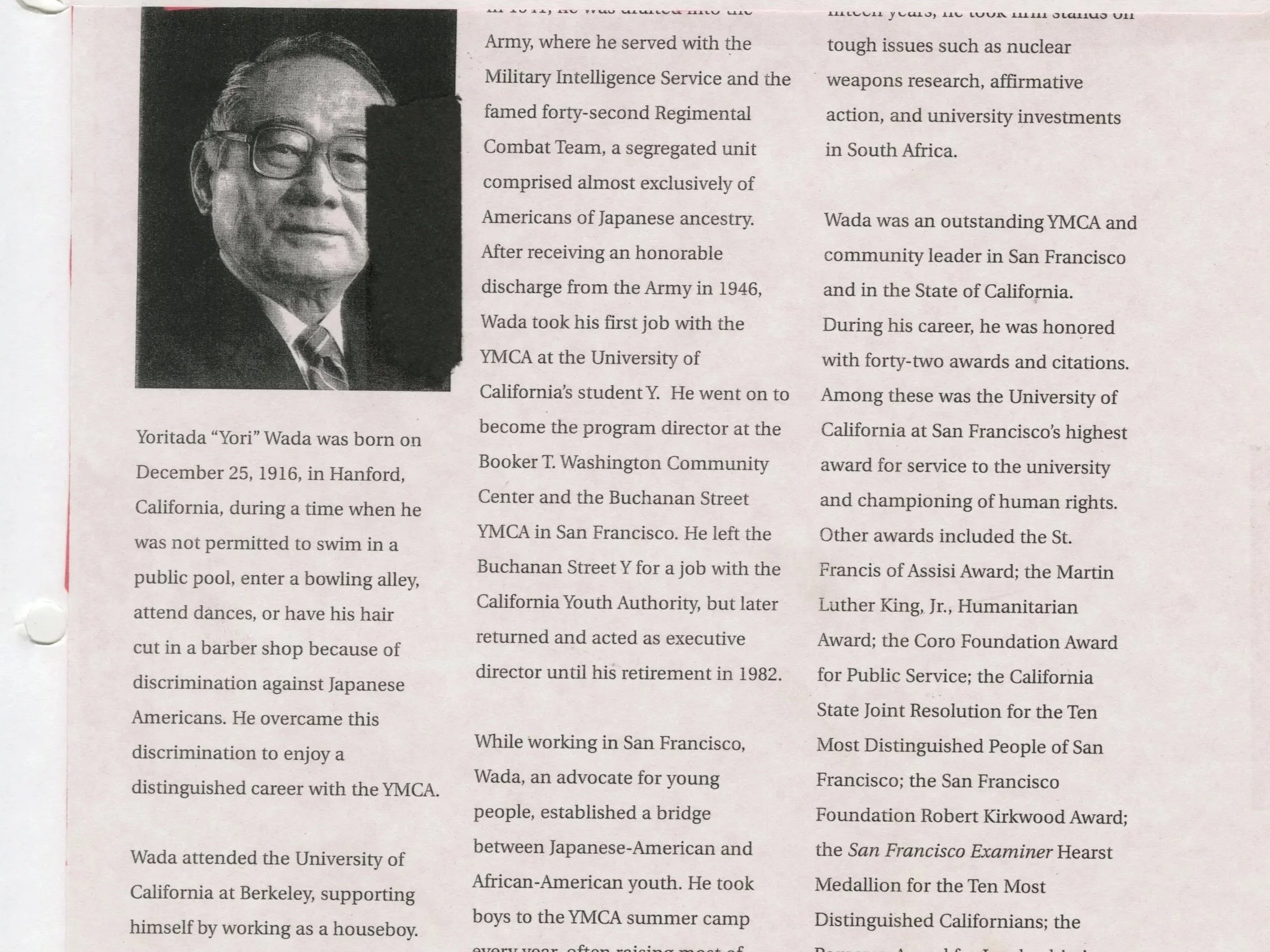
1978
The San Francisco Examiner honored the Buchanan YMCA’s leadership by naming Yori Wada one of the Bay Area’s Outstanding Citizens for his deep commitment to neighborhood outreach.
1970-1973
The Buchanan YMCA served as the central headquarters for the Western Addition Council of Youth Serving Agencies, securing federal funding to provide summer jobs directly to local Black and Asian American youth.
1977
Executive Director Yori Wada brought regional prominence to the Buchanan YMCA when he was appointed to the University of California Board of Regents, raising the profile of the organization’s community programs.



1980s
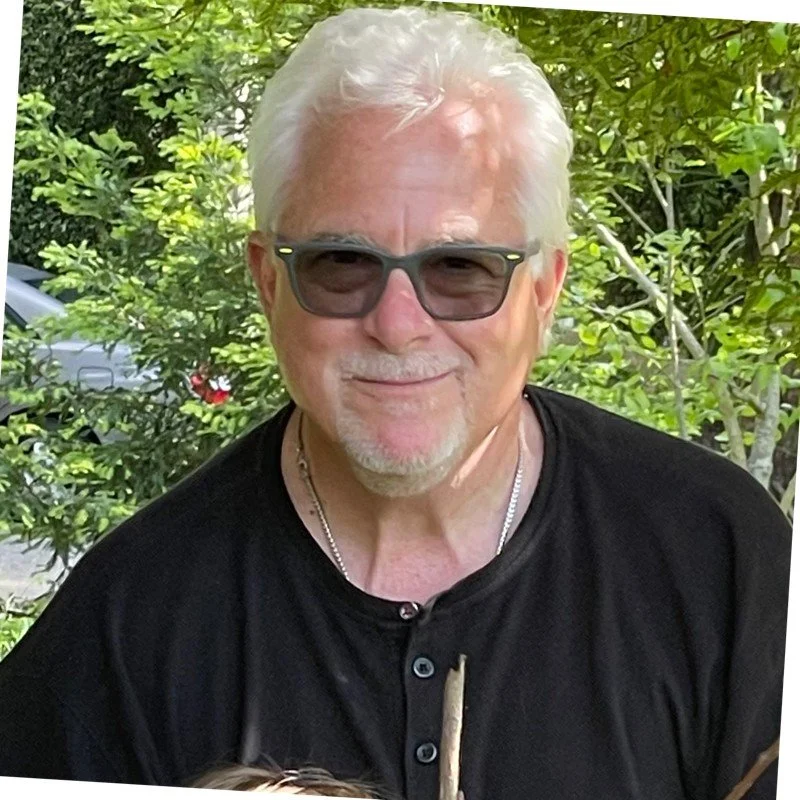
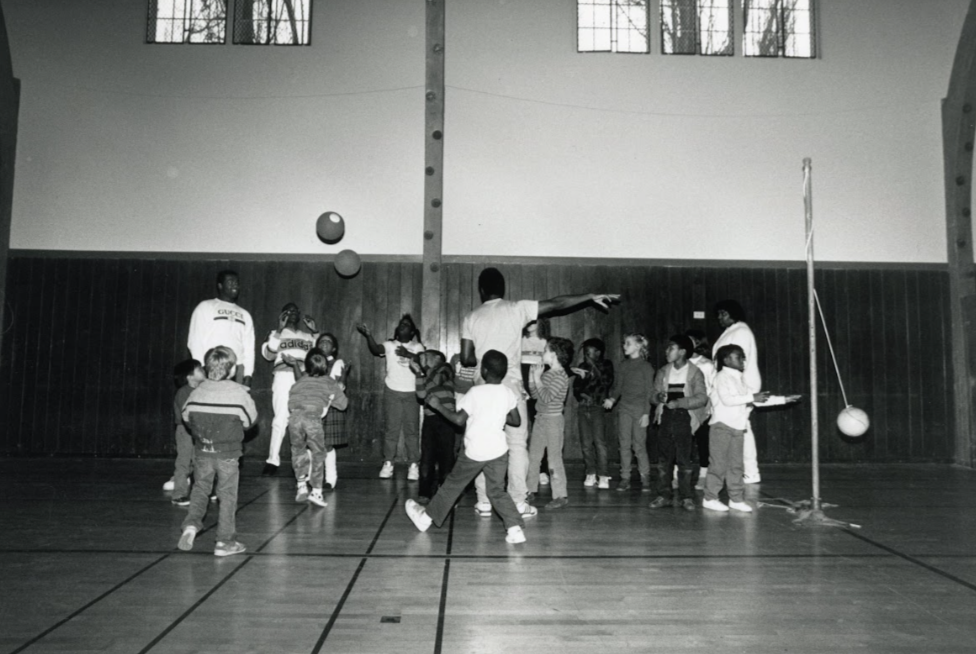
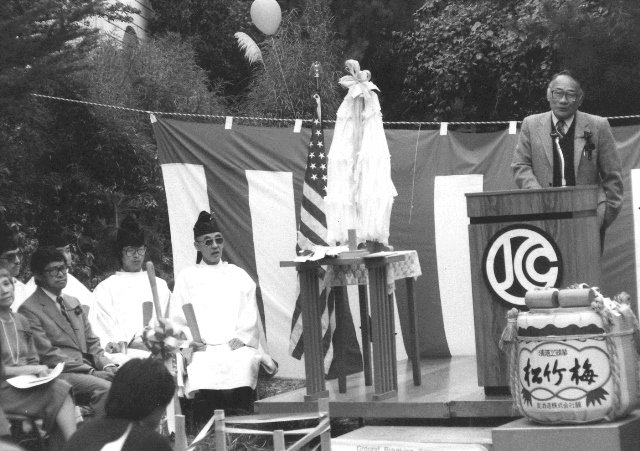
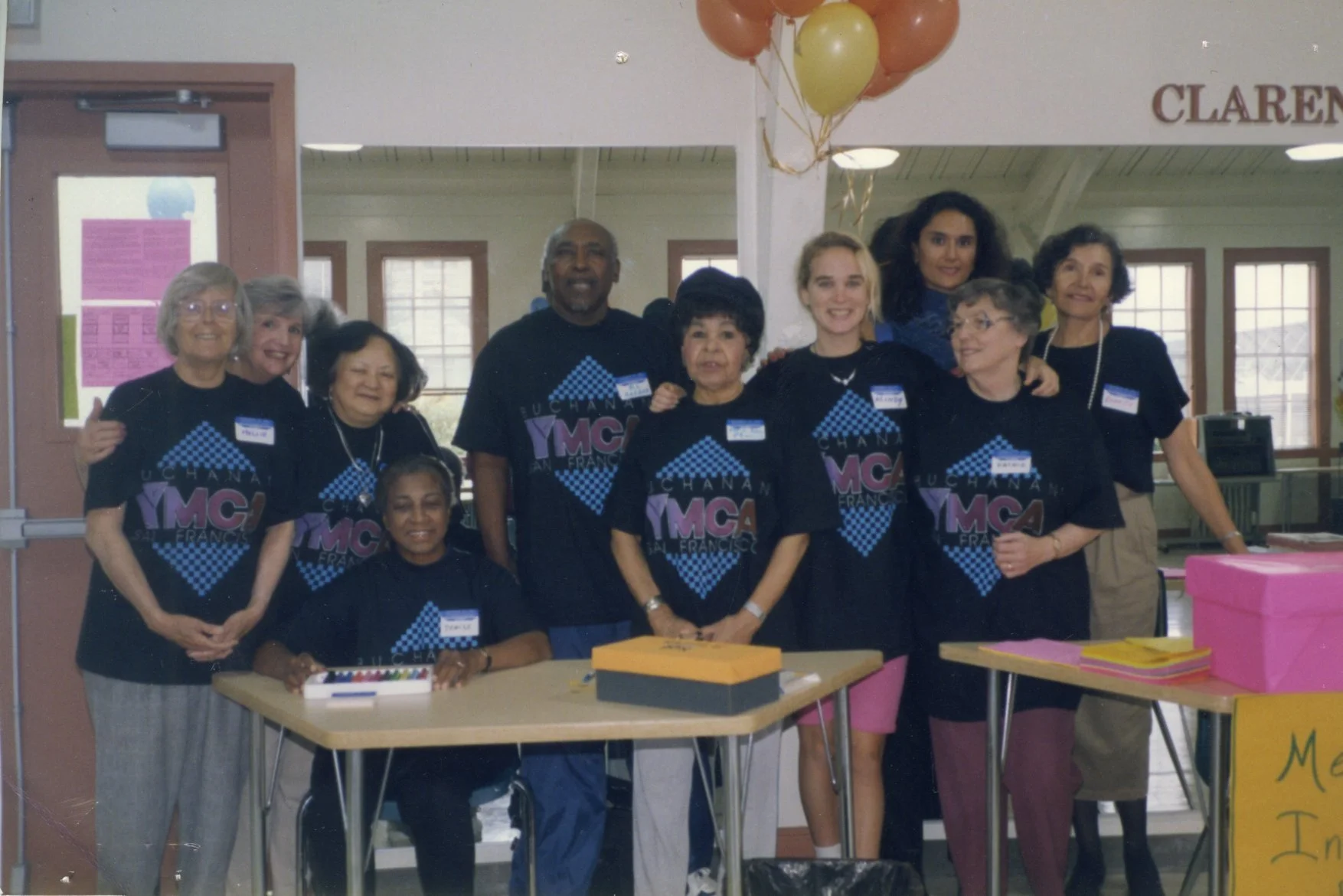
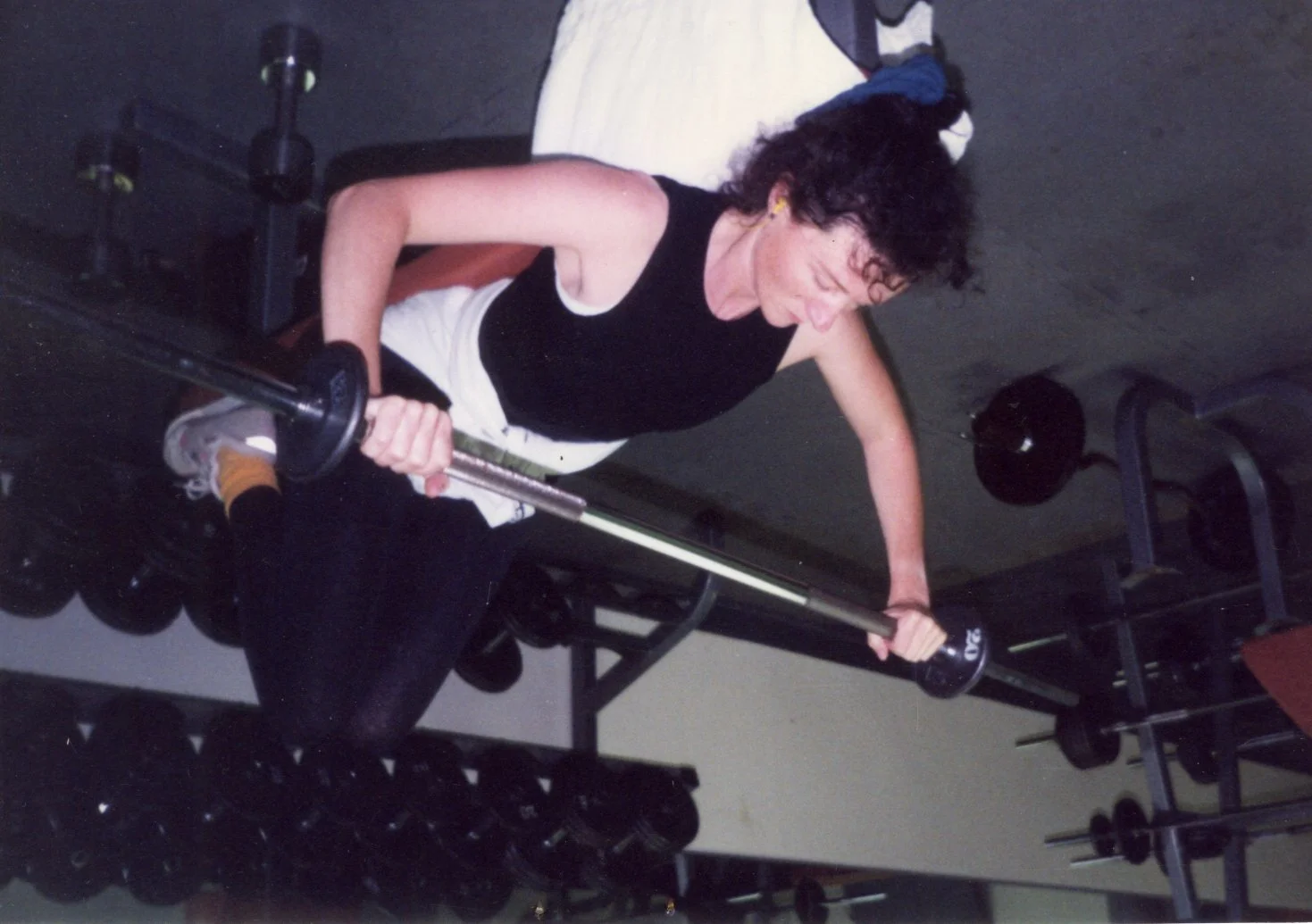
The decade brought a large growth in programs and increased interest in the health benefits of fitness. One of the branch’s leaders was Dr. Richard Caesar, a Tuskegee Airman in World War II who became a neighborhood dentist and community leader in the Western Addition. As a member of the Buchanan YMCA board, he was instrumental in raising funds to keep the YMCA open for the community.

1988
The building underwent a renovation led by the YMCA of San Francisco and the Buchanan YMCA board, chaired at the time by Dr. Richard Caesar.
1990s
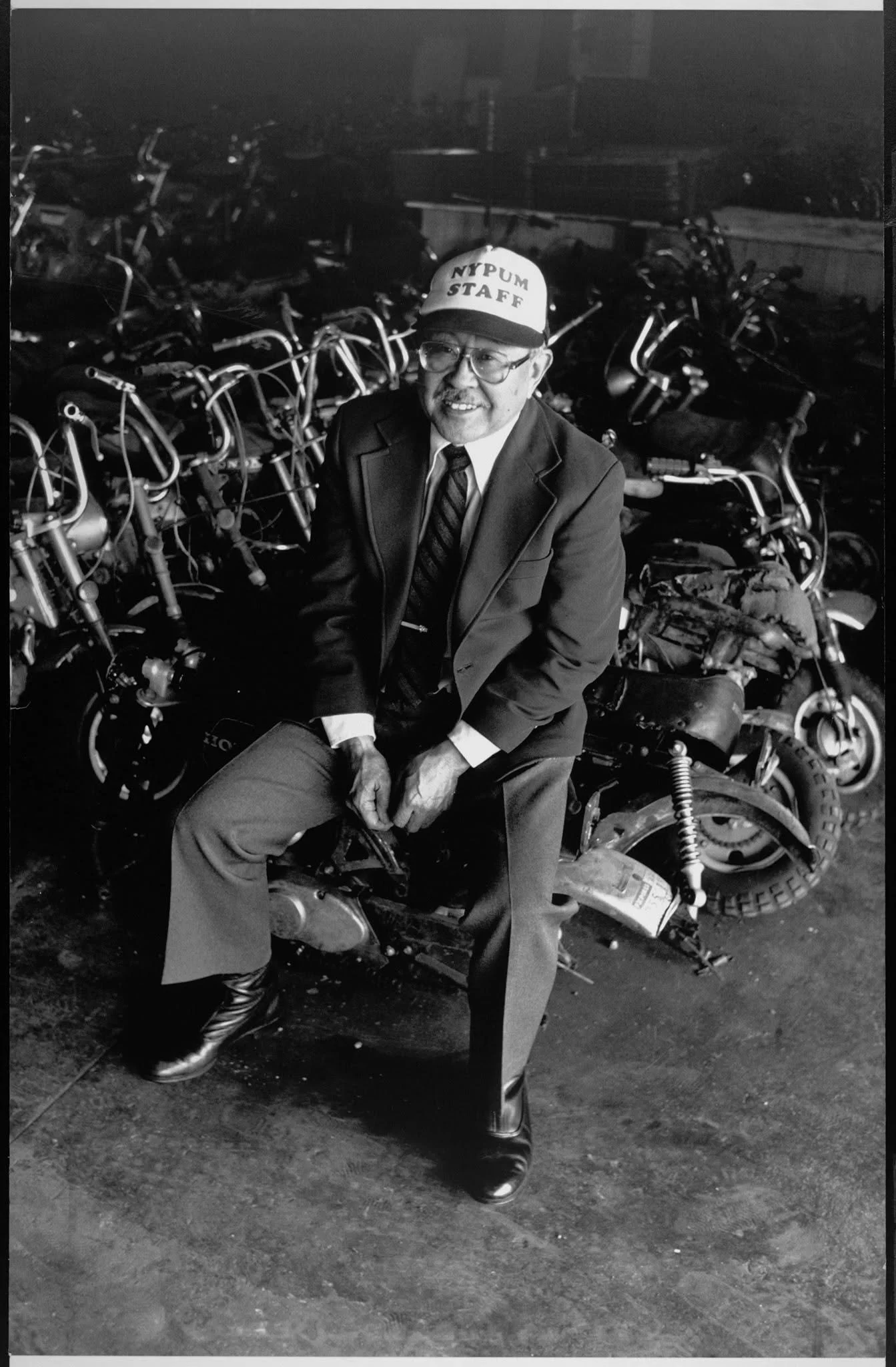
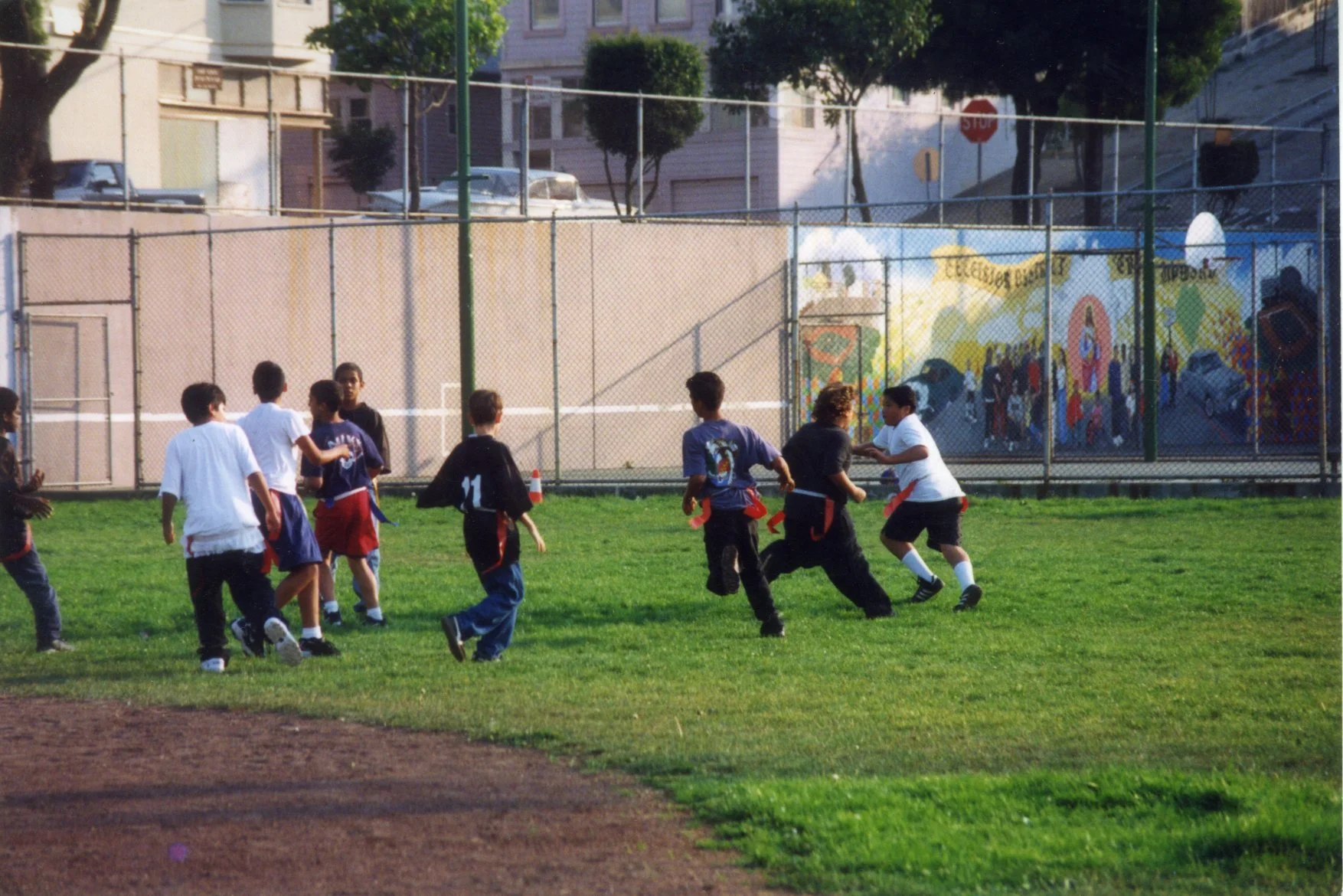
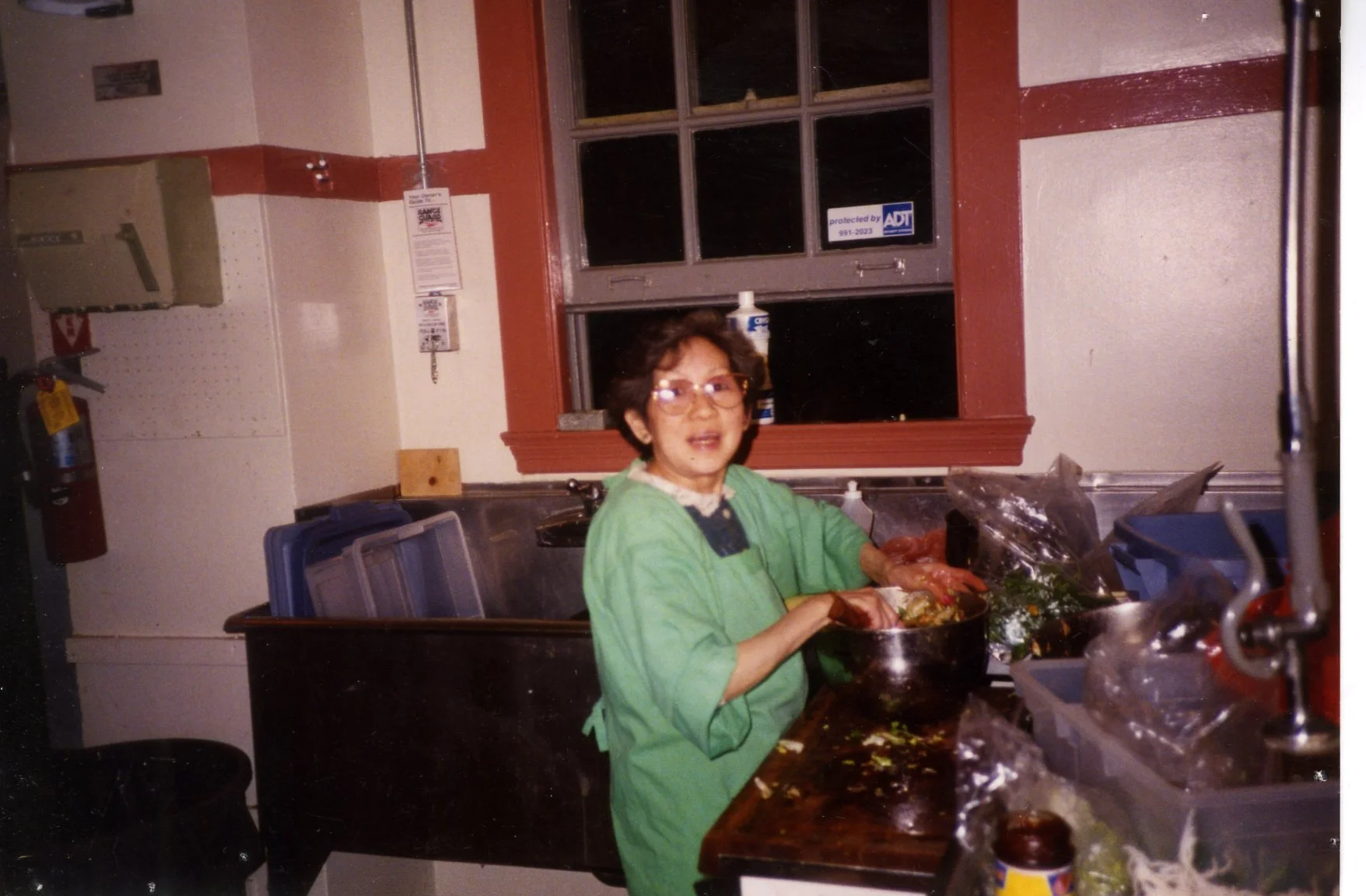
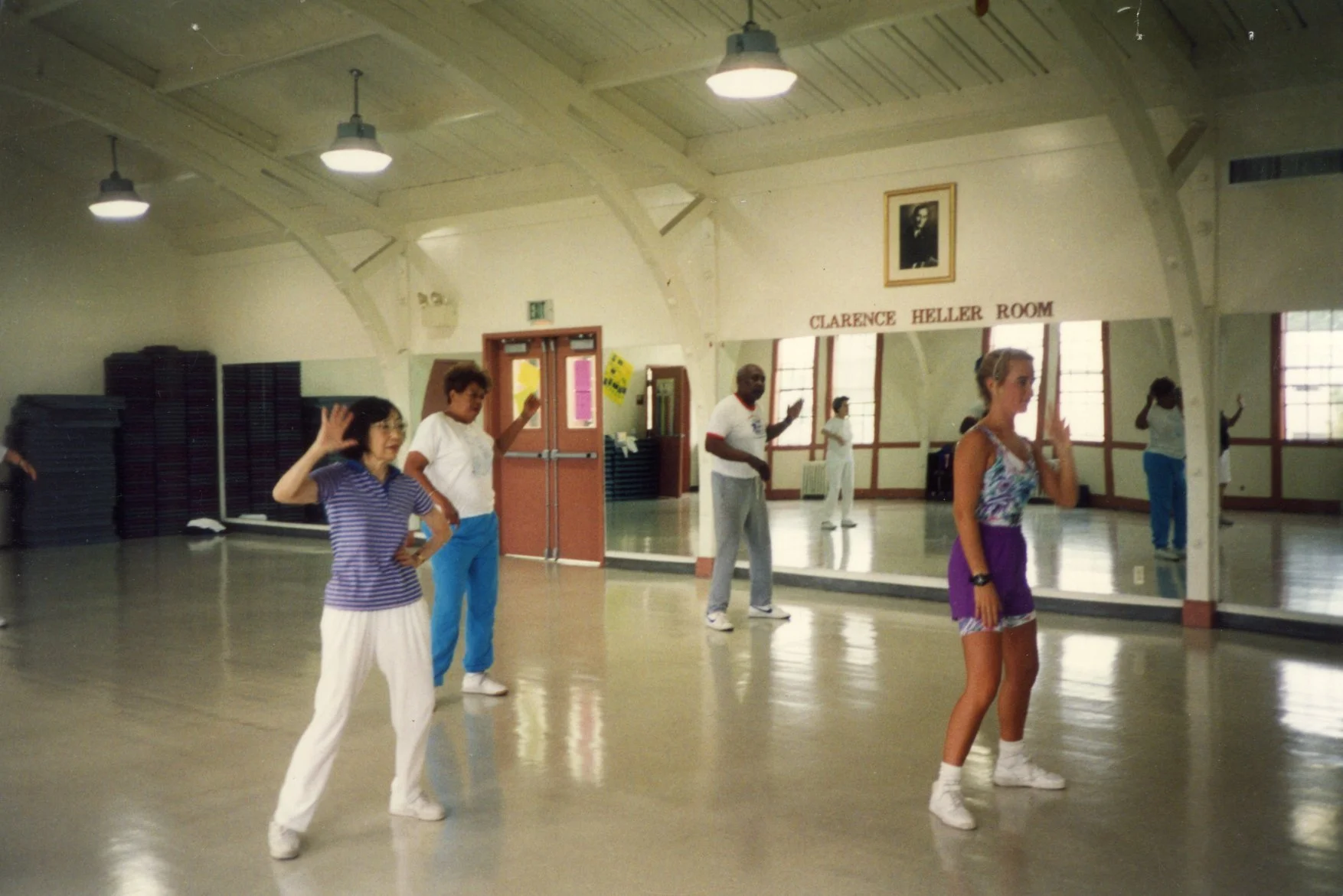
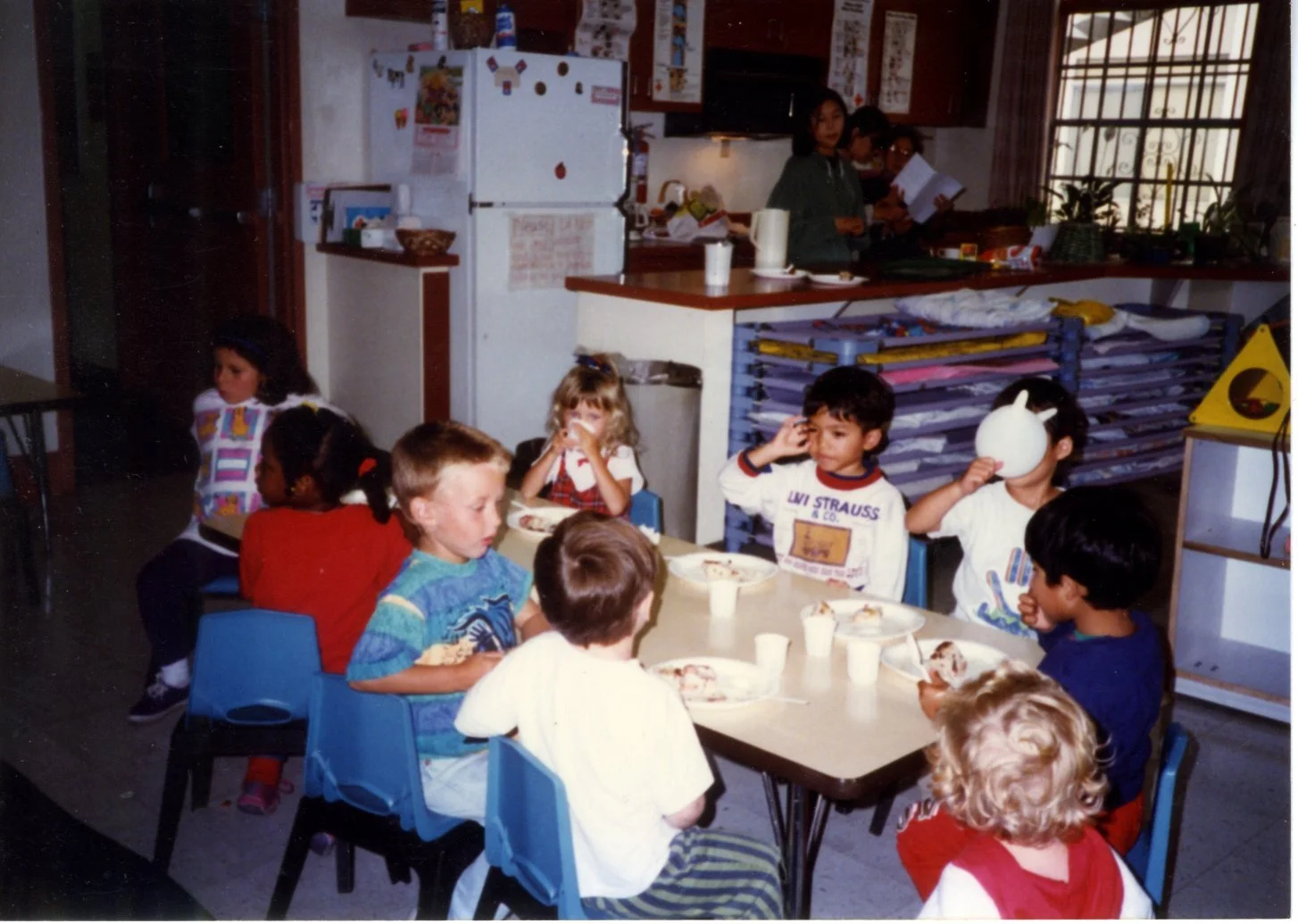
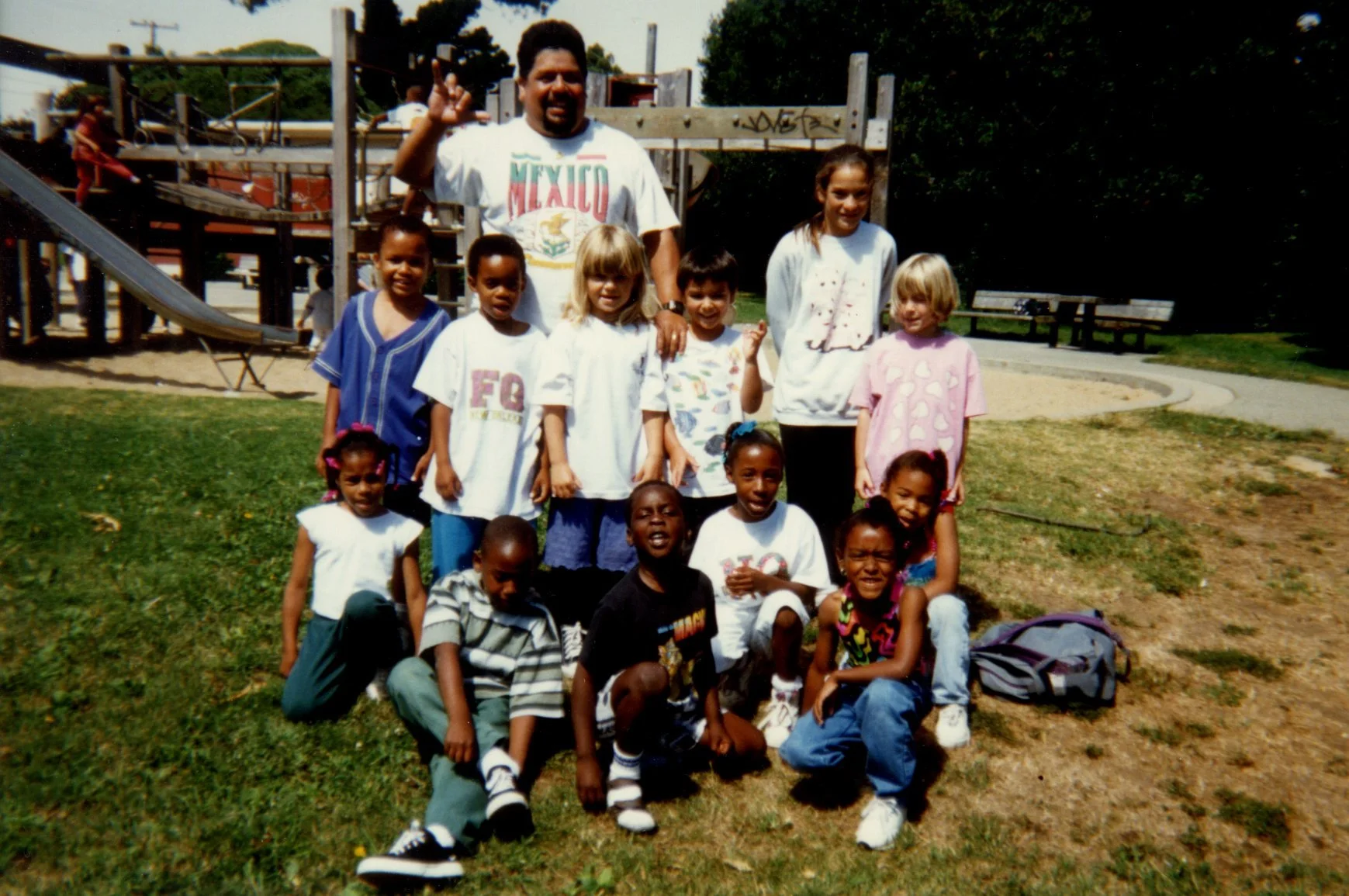
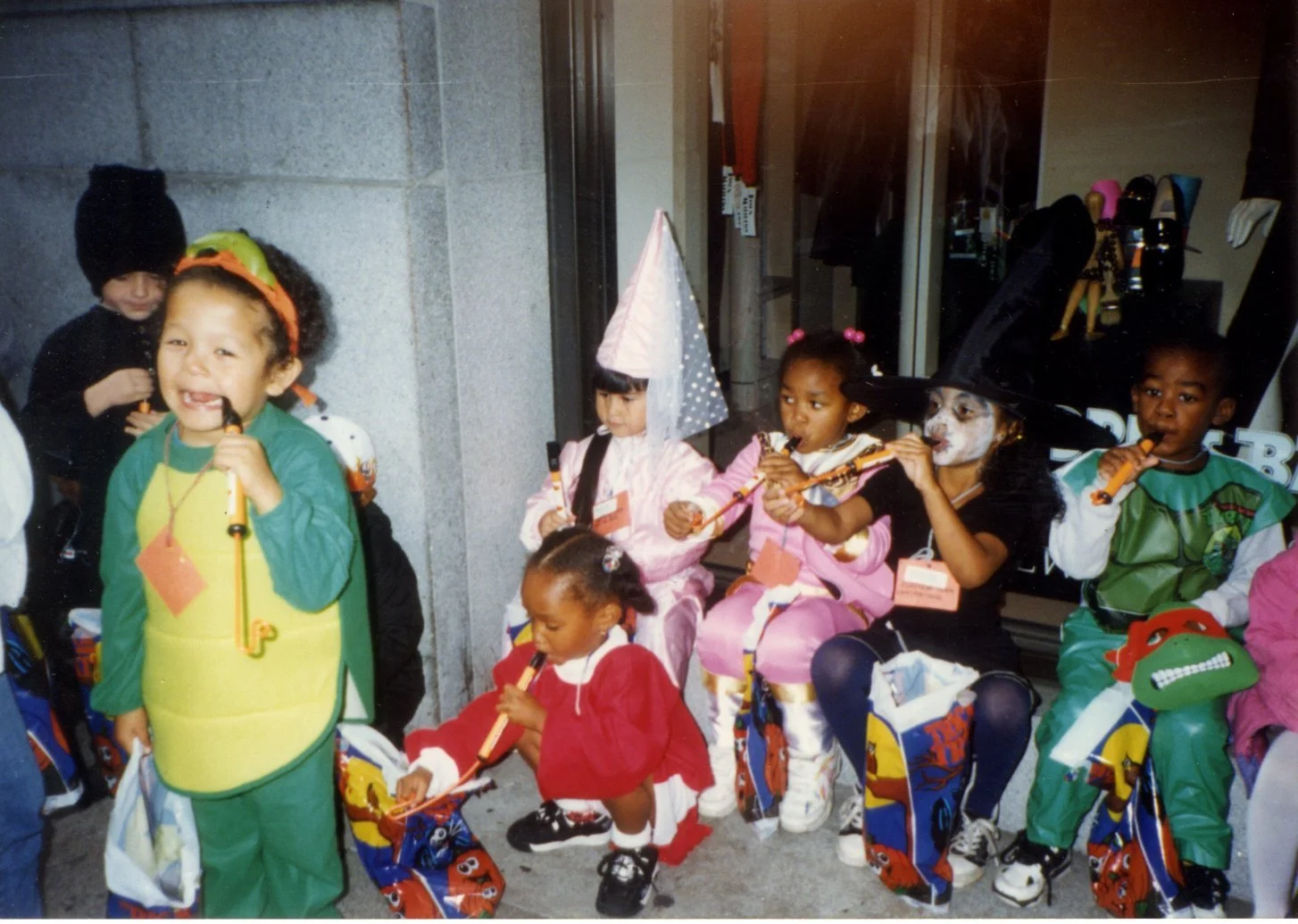
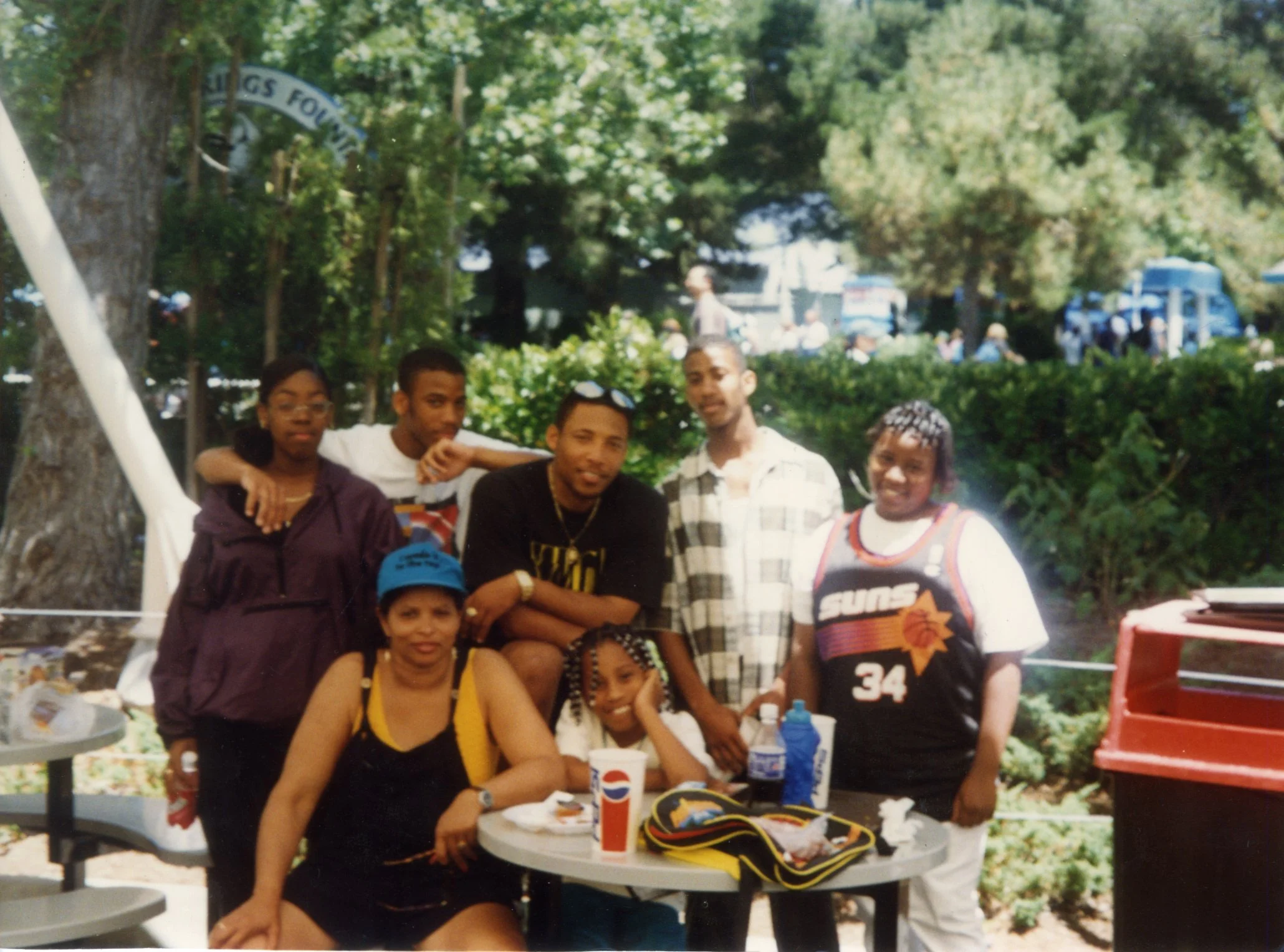
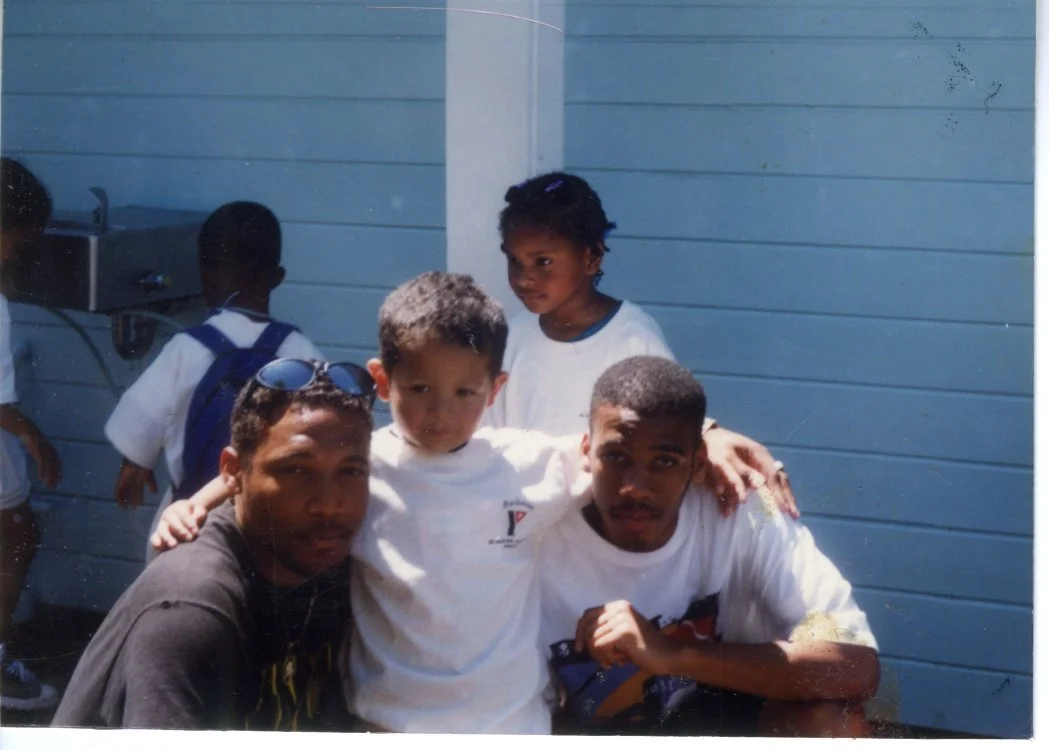
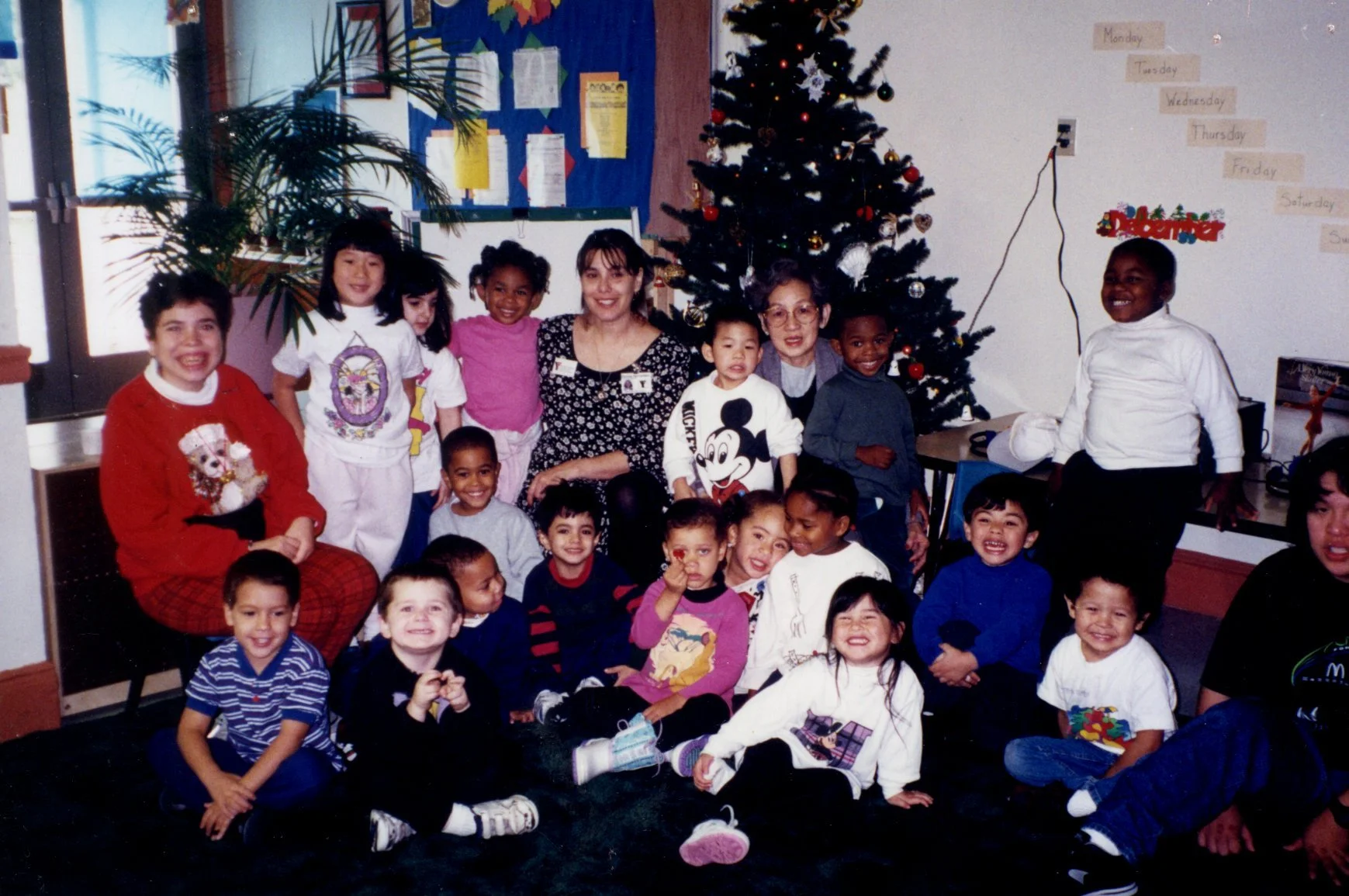
The Buchanan YMCA once again set out to meet the needs of the community. Exercise programs grew to serve a community in need of healthier lifestyles, especially among youth. A preschool met the needs of parents looking for an affordable, safe, and caring program for their children.

1982
1989

Yoritada Wada stepped down as executive director.
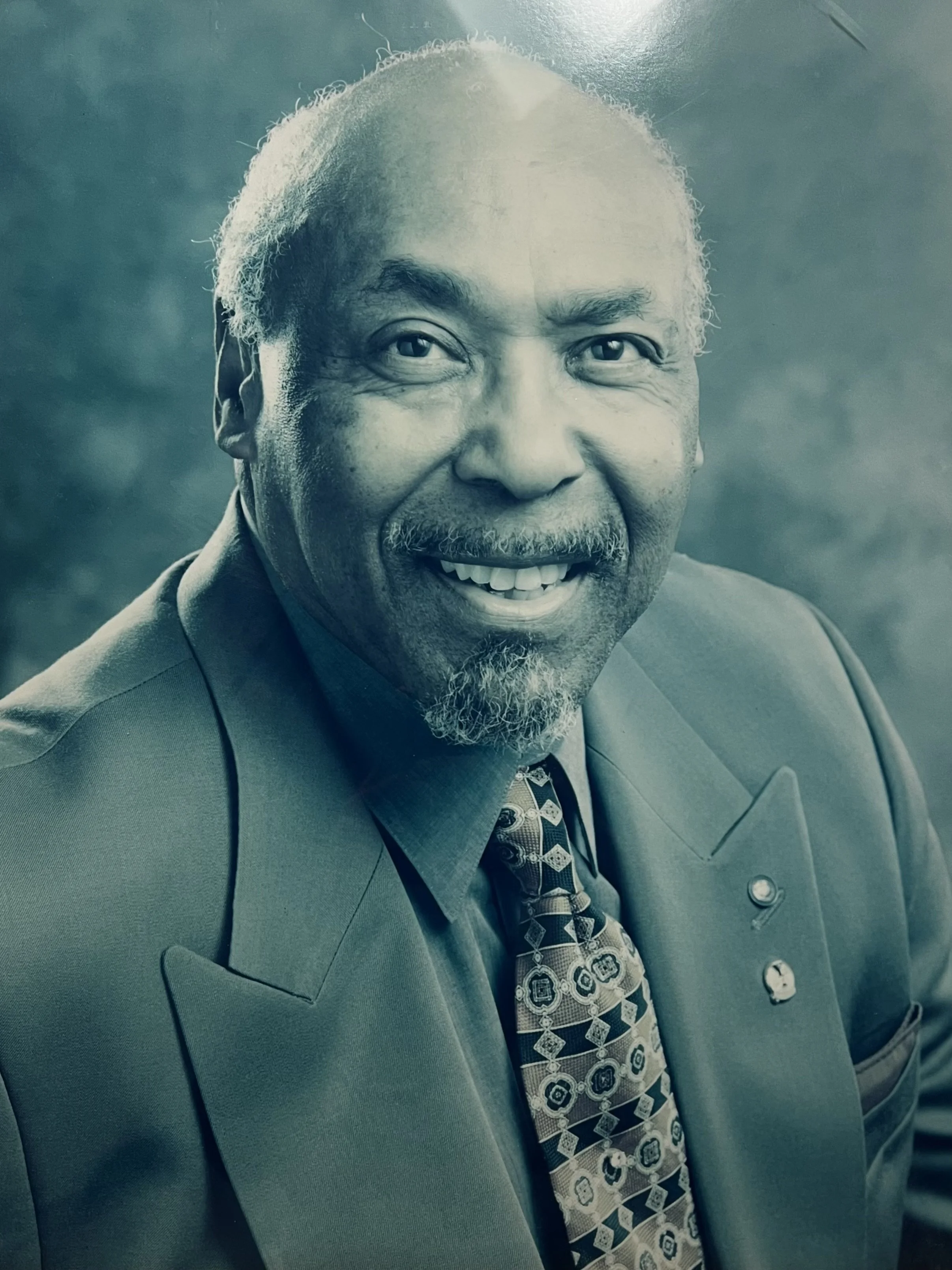
Fred Y. Hoshiyama is inducted into the National YMCA Hall of Fame for his dedication and efforts in the Buchanan YMCA.
Late 1980s
Maurice Bundy served as executive director.

1990s
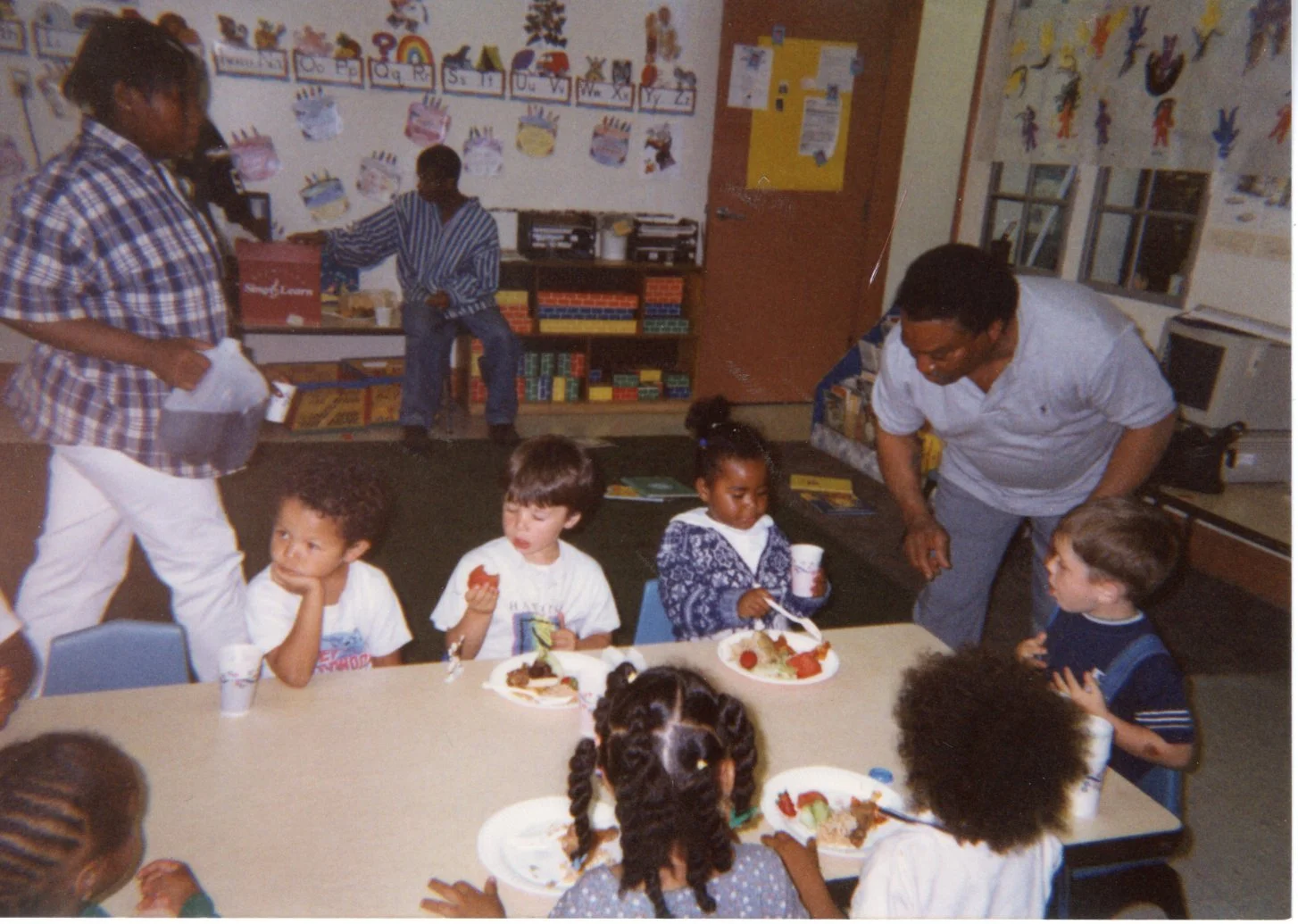
Chip Rich and the Urban Services YMCA moved into the building.

1992-1993
Roz Hamby became executive director.

1999
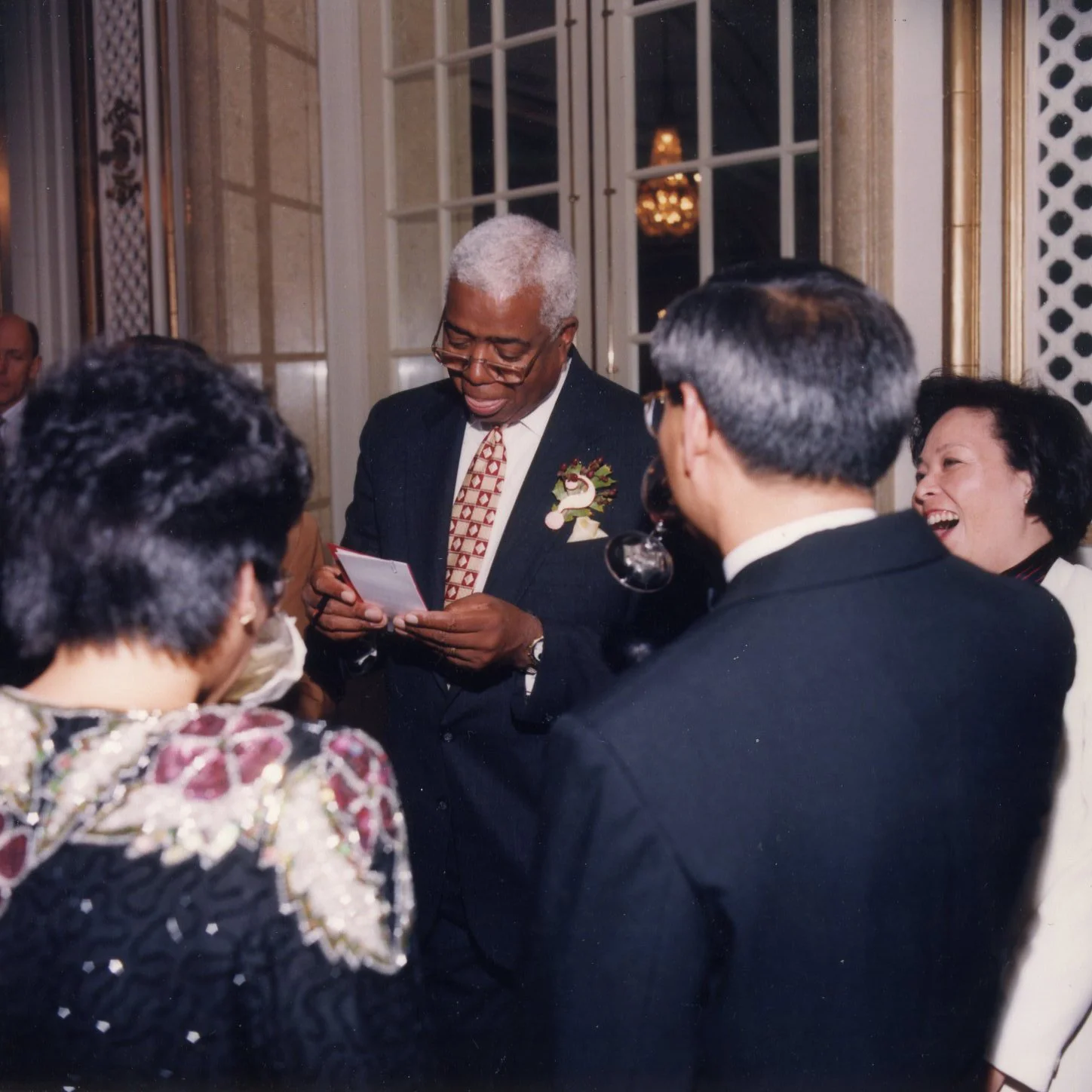
Yoritada Wada was inducted into the National YMCA Hall of Fame. He is recognized for bridging the Japanese-American youth and the African American youth.

1994

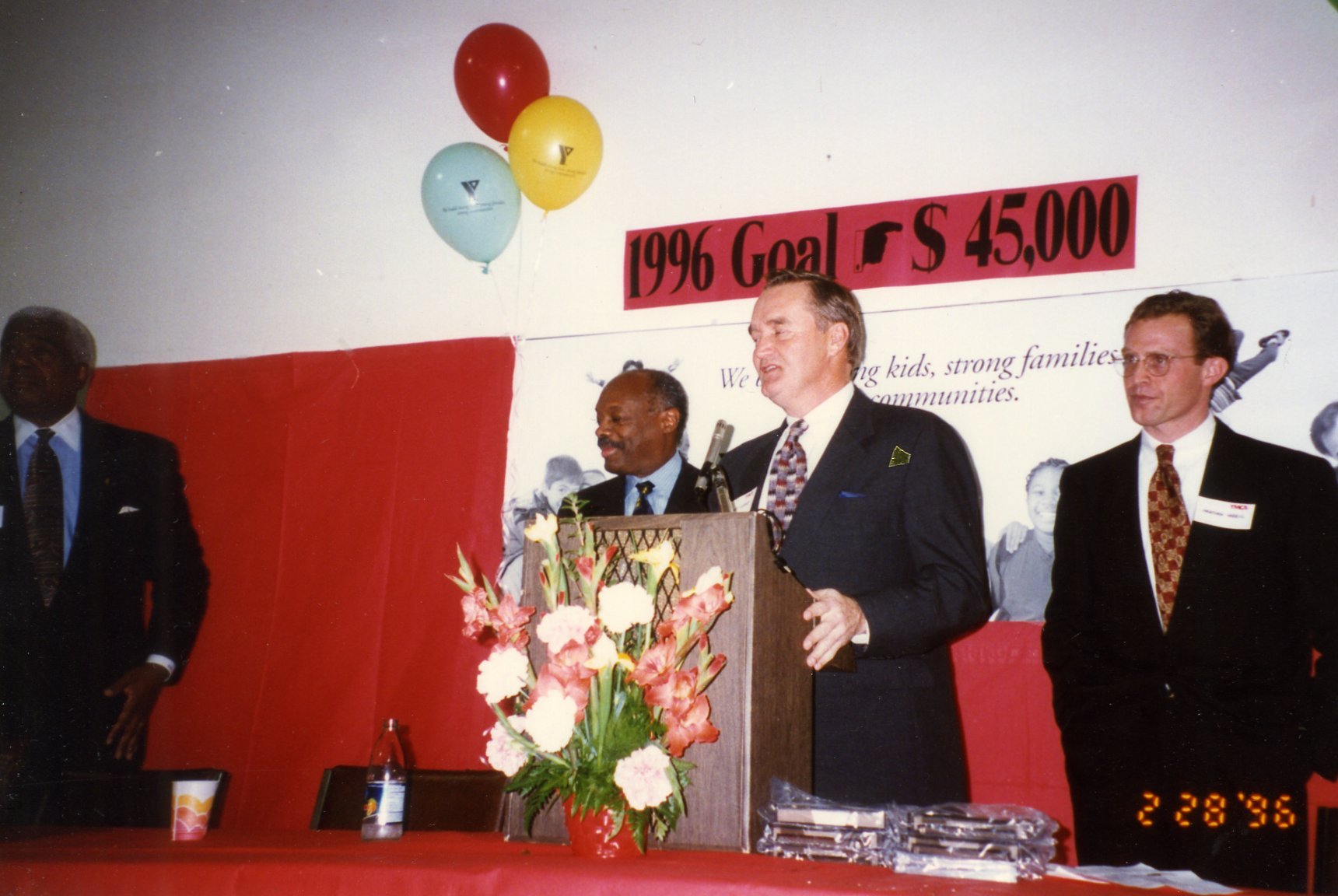
Maurice Henry became executive director.


2000s
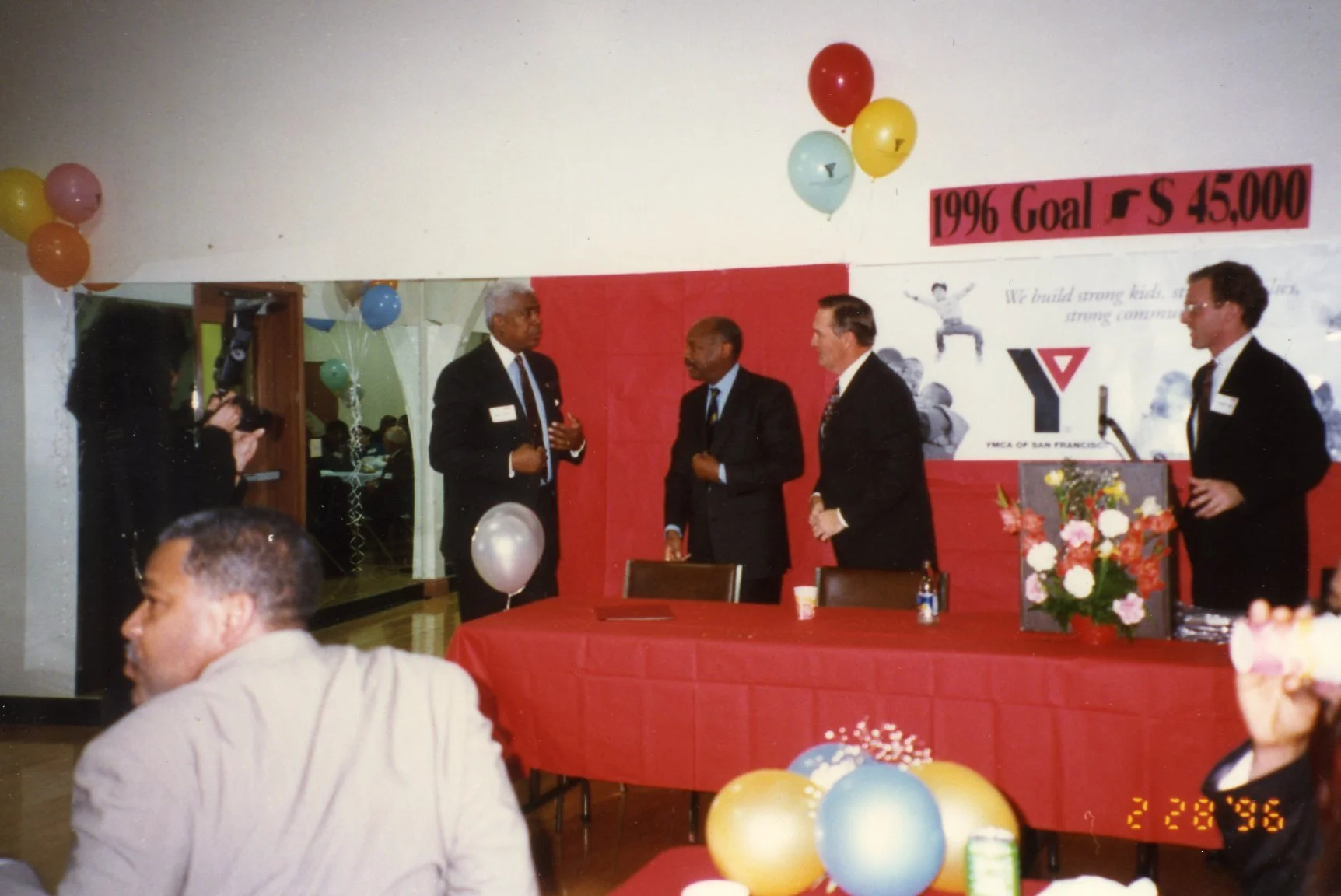
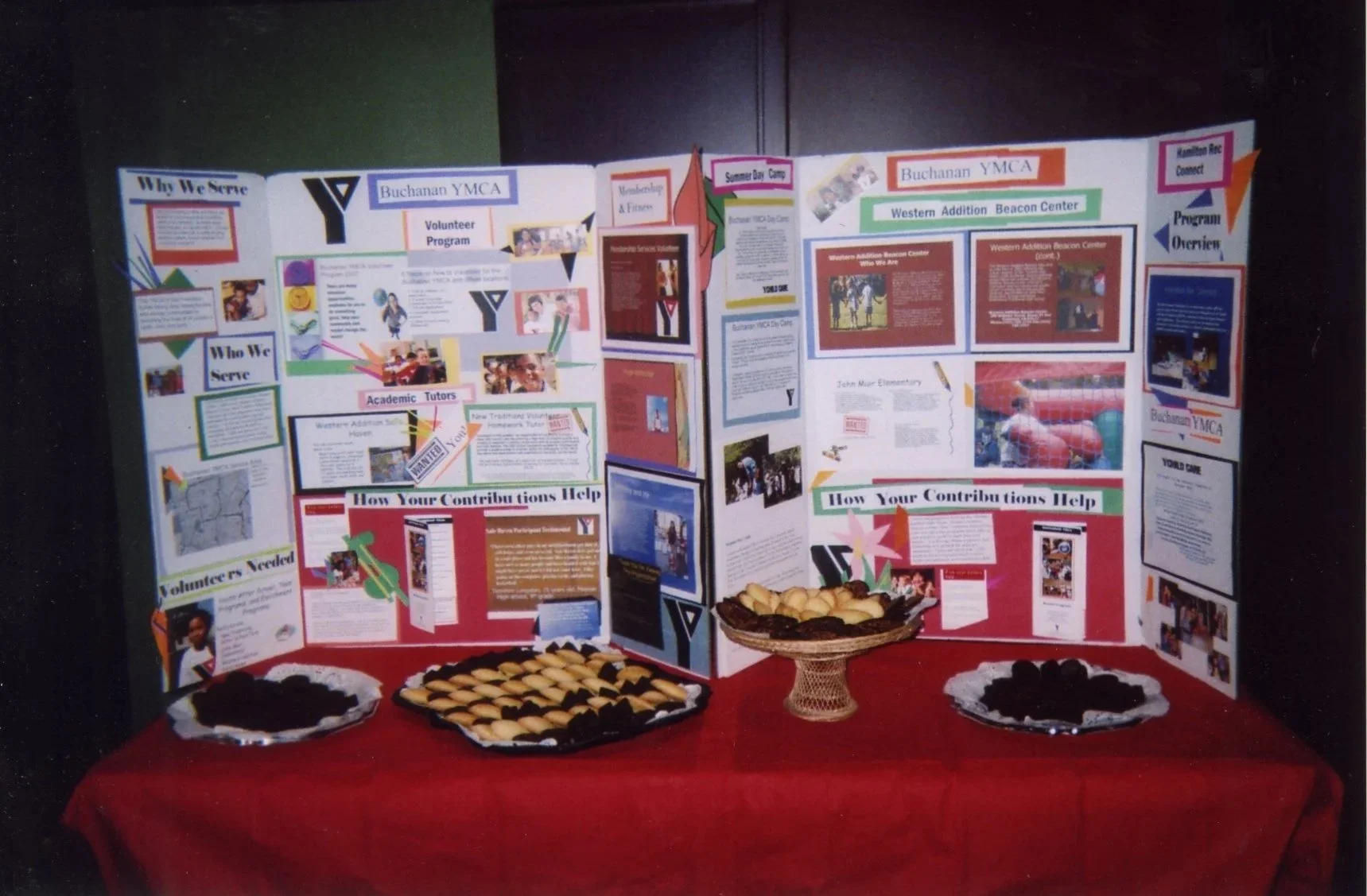
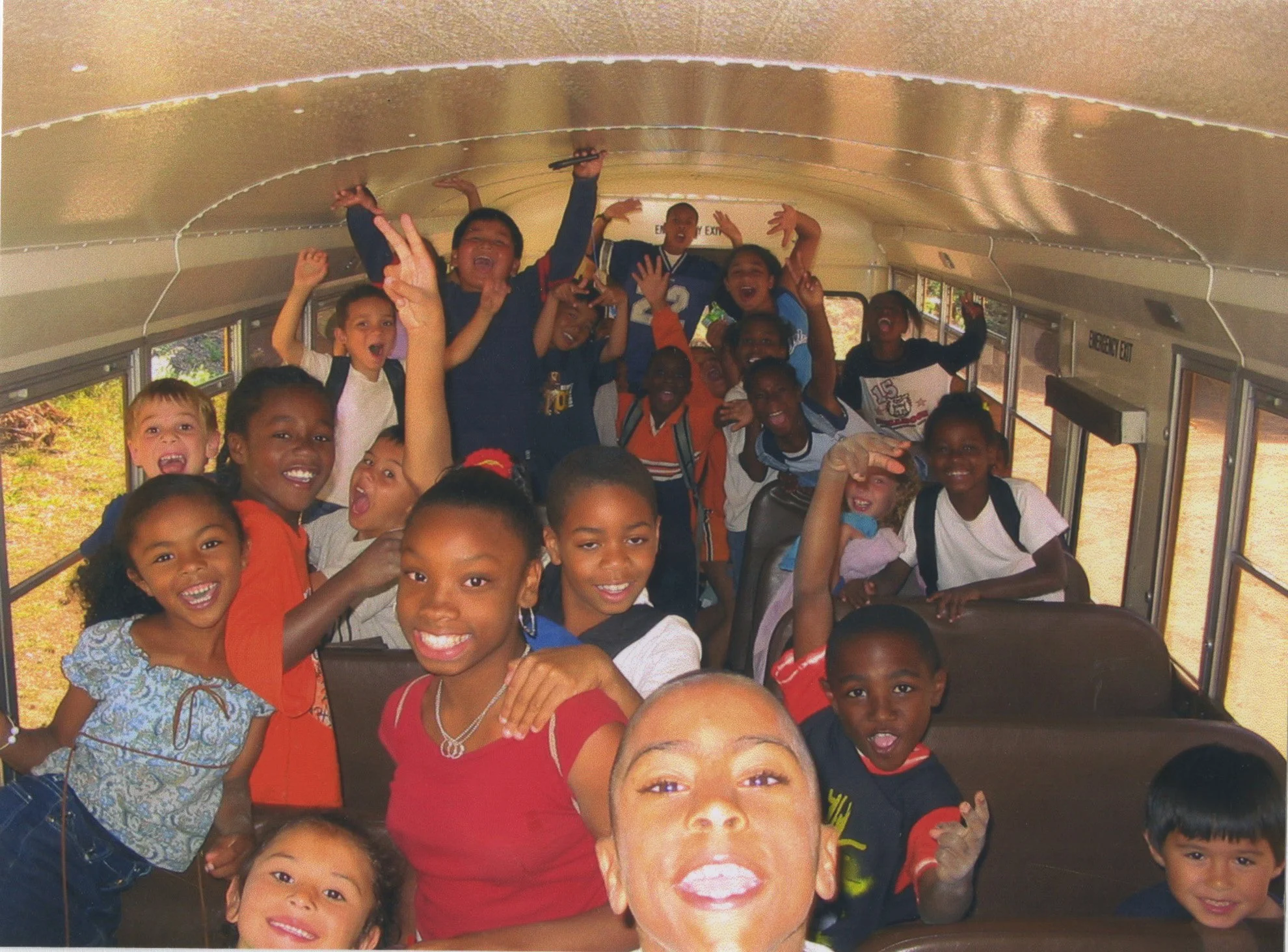
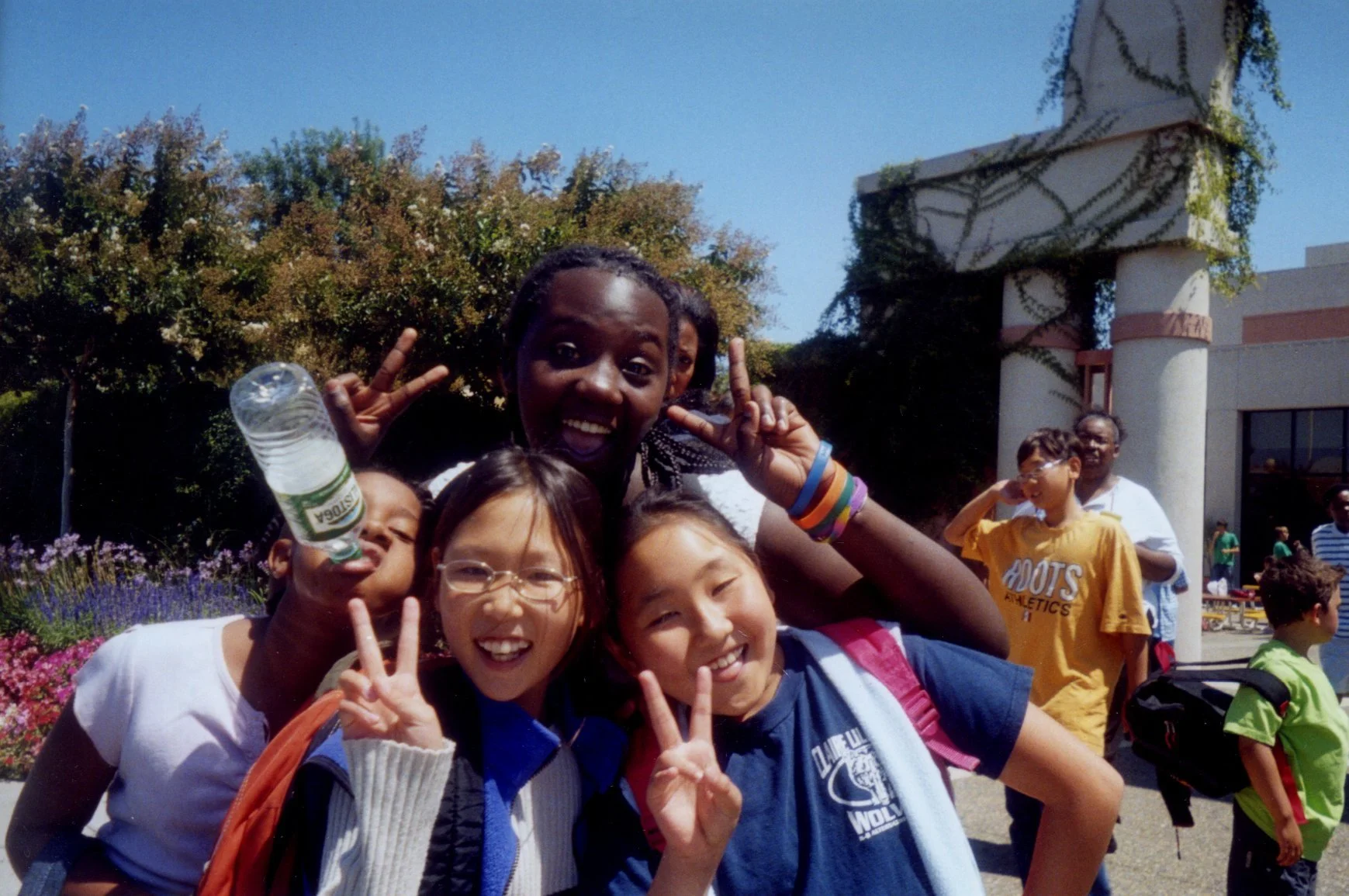
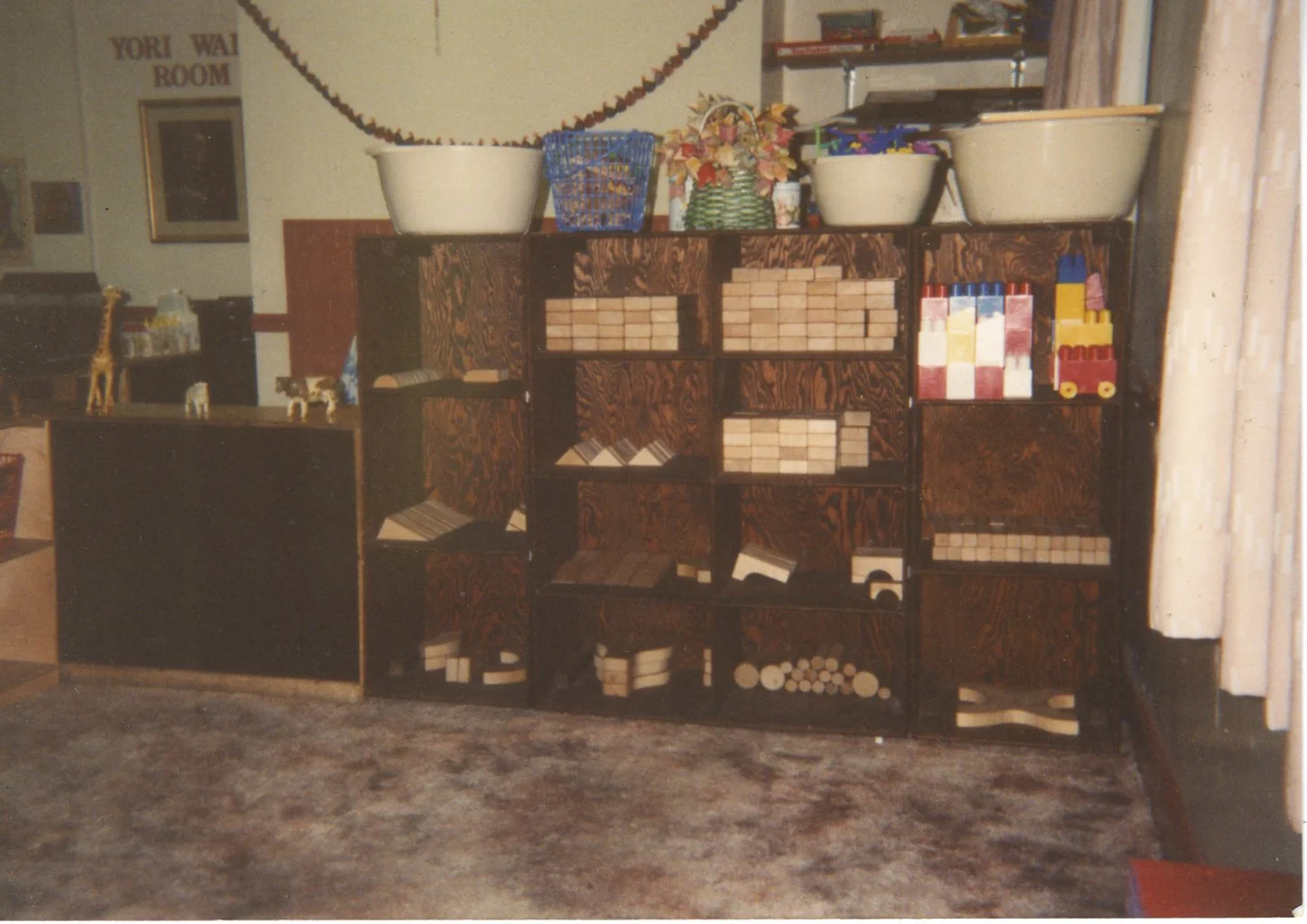
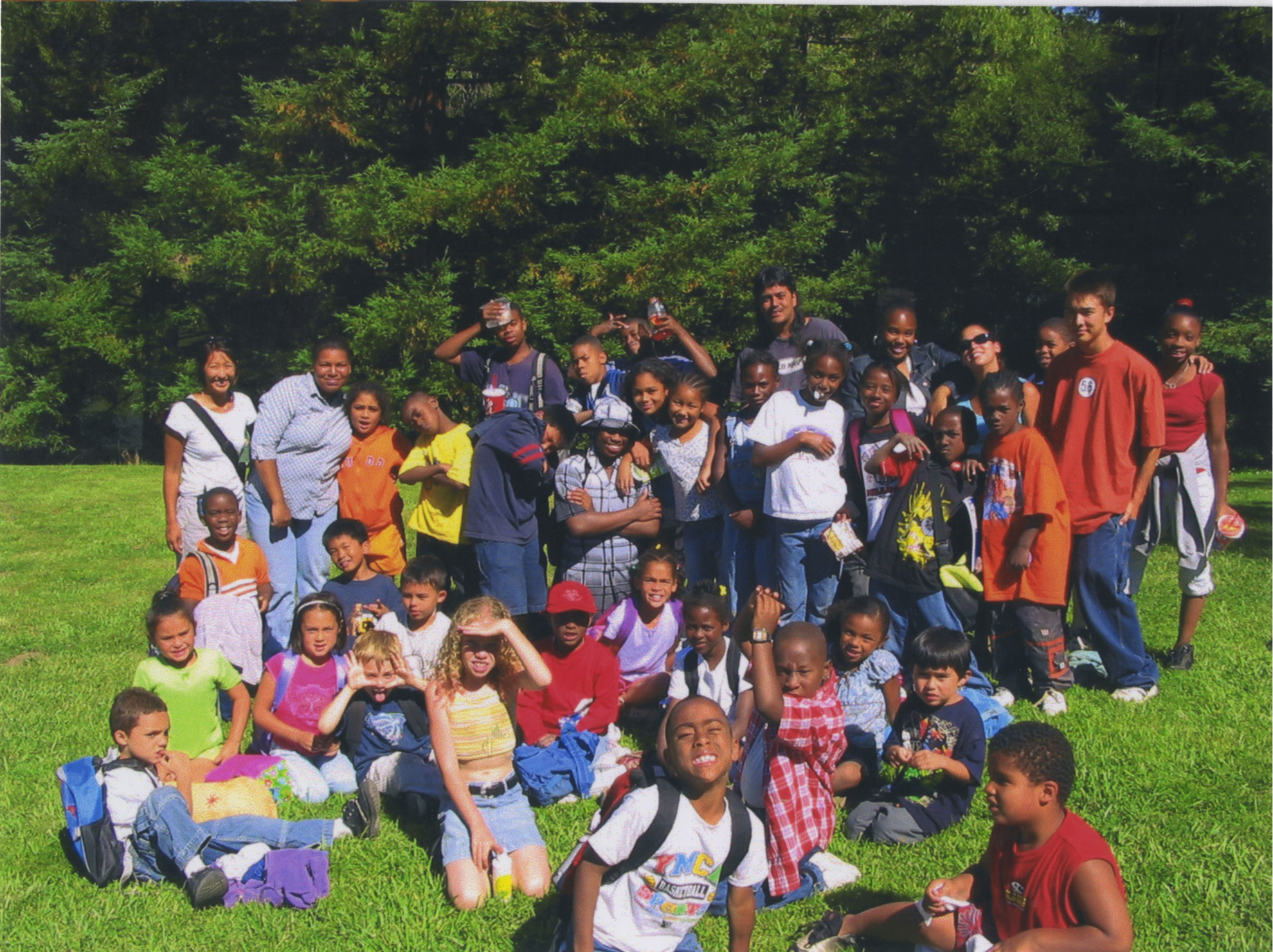
The decade brought new opportunities to collaborate with the City and the San Francisco Unified School District to provide programs for youth in the community. Together with community partners, the Buchanan YMCA opened the Western Addition Safe Haven and Beacon Center to serve youth and families in the Western Addition.


2004
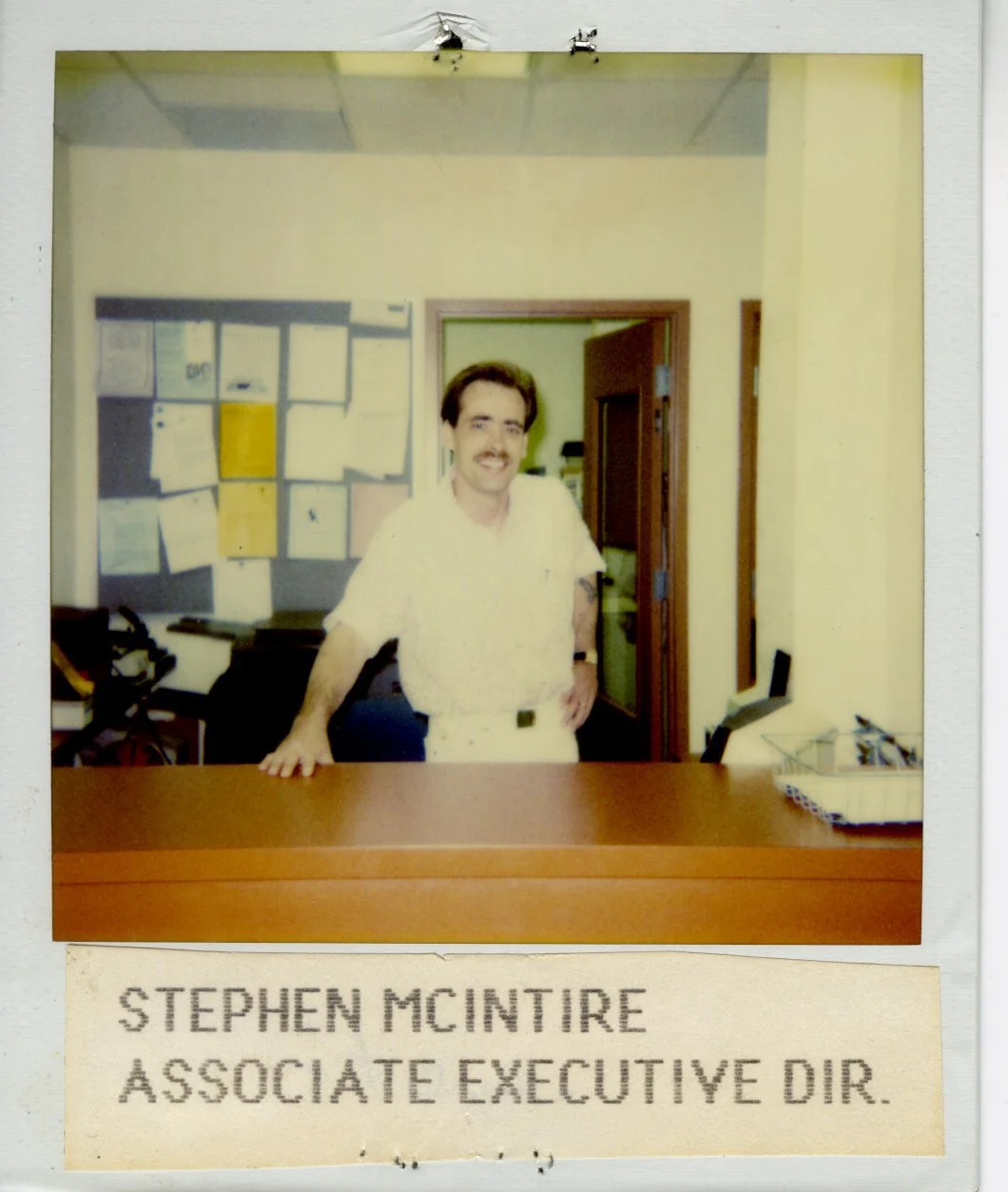
Alexander Vaughn began serving as executive director, followed later that year by Reeshemah Davis.

2005
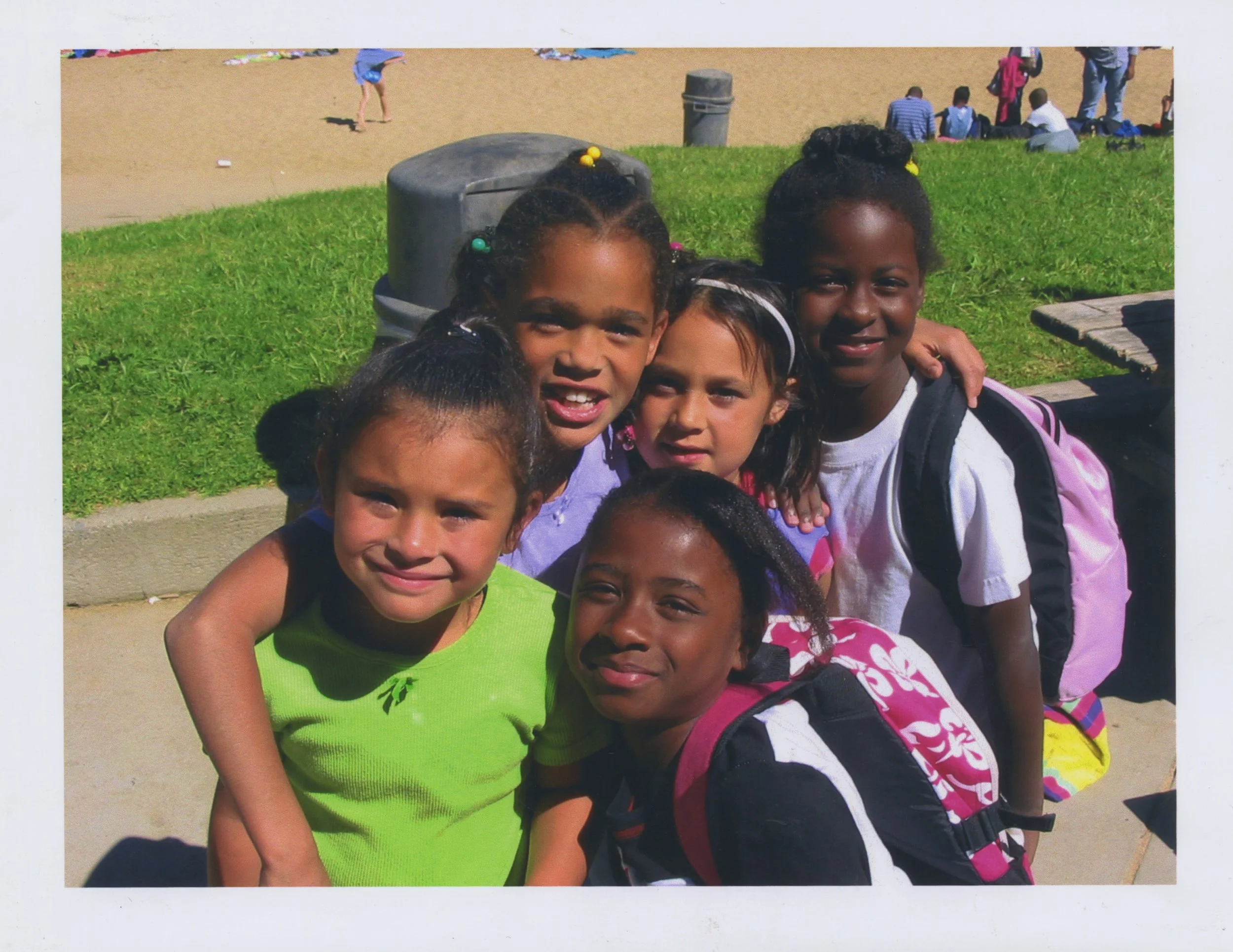
Reeshemah Davis and Chip Rich wrote grants to provide after-school programs at several elementary schools, including New Traditions, John Muir, Dr. William L. Cobb, Rosa Parks, and the Chinese Immersion School.


2000s
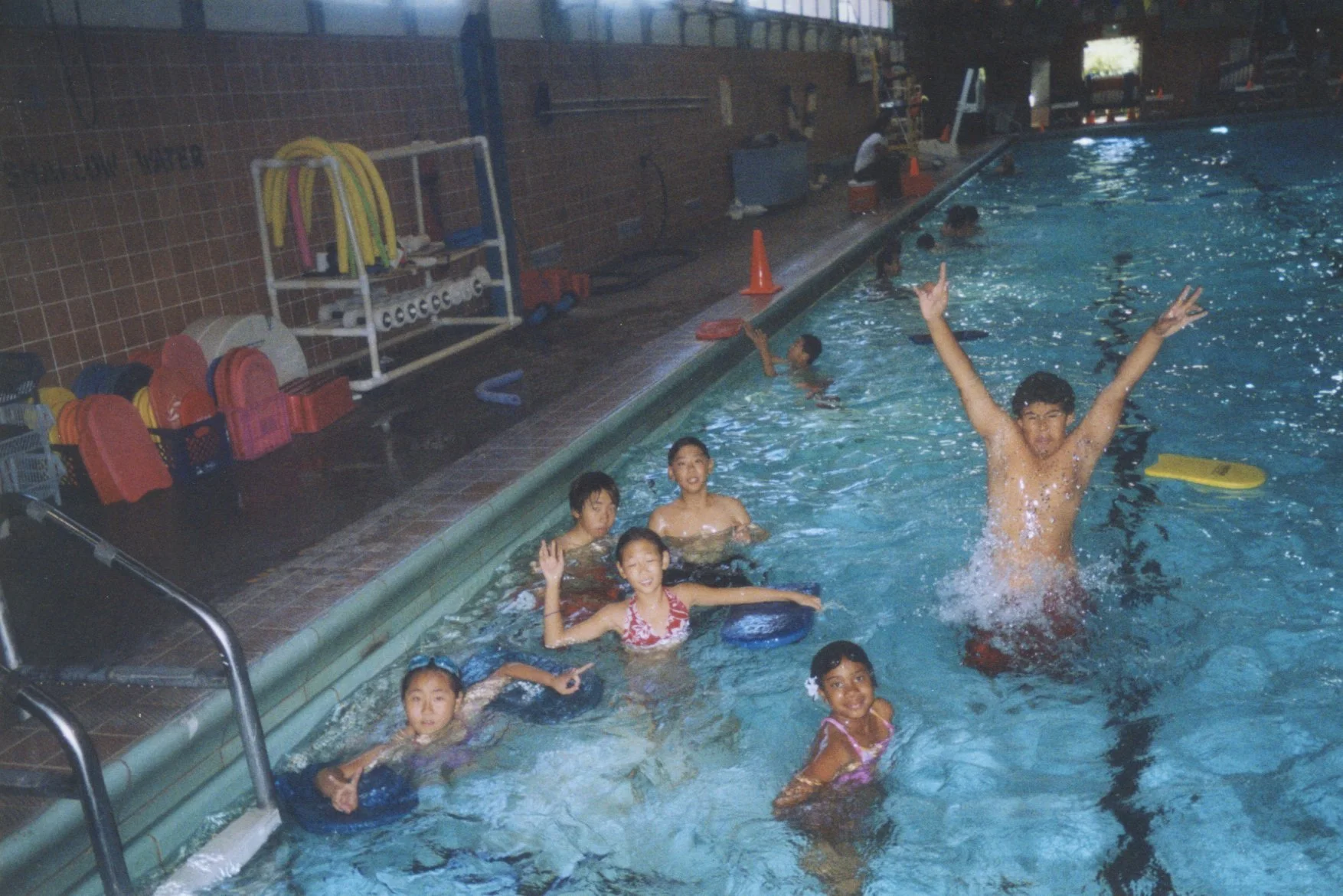
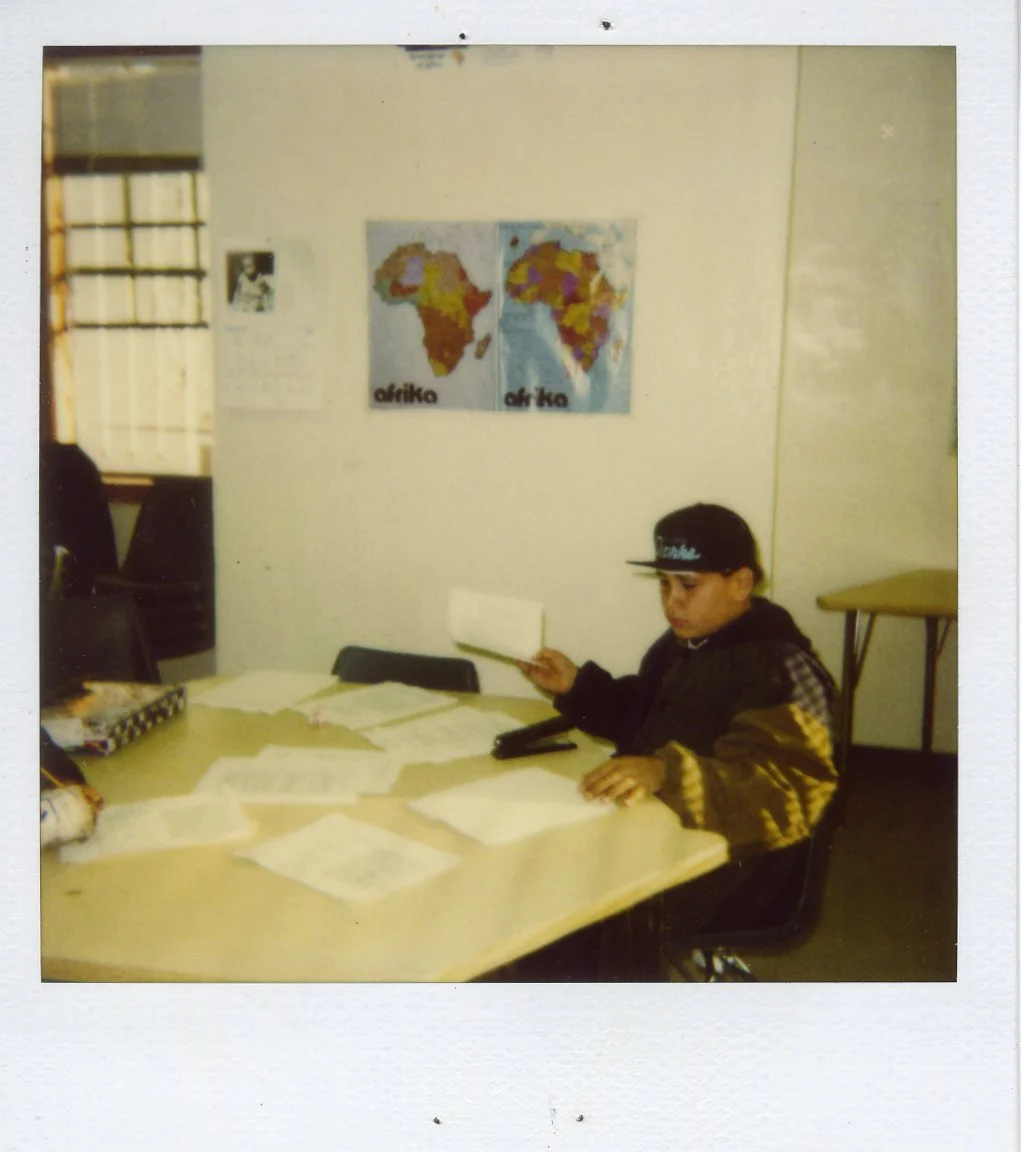
Chip Rich reached out to the City of San Francisco, forged relationships with city departments, and secured grants to run programs including the Beacon program at Ella Hill Hutch, teen programs in the building, Youth and Government, and Model United Nations.
2004
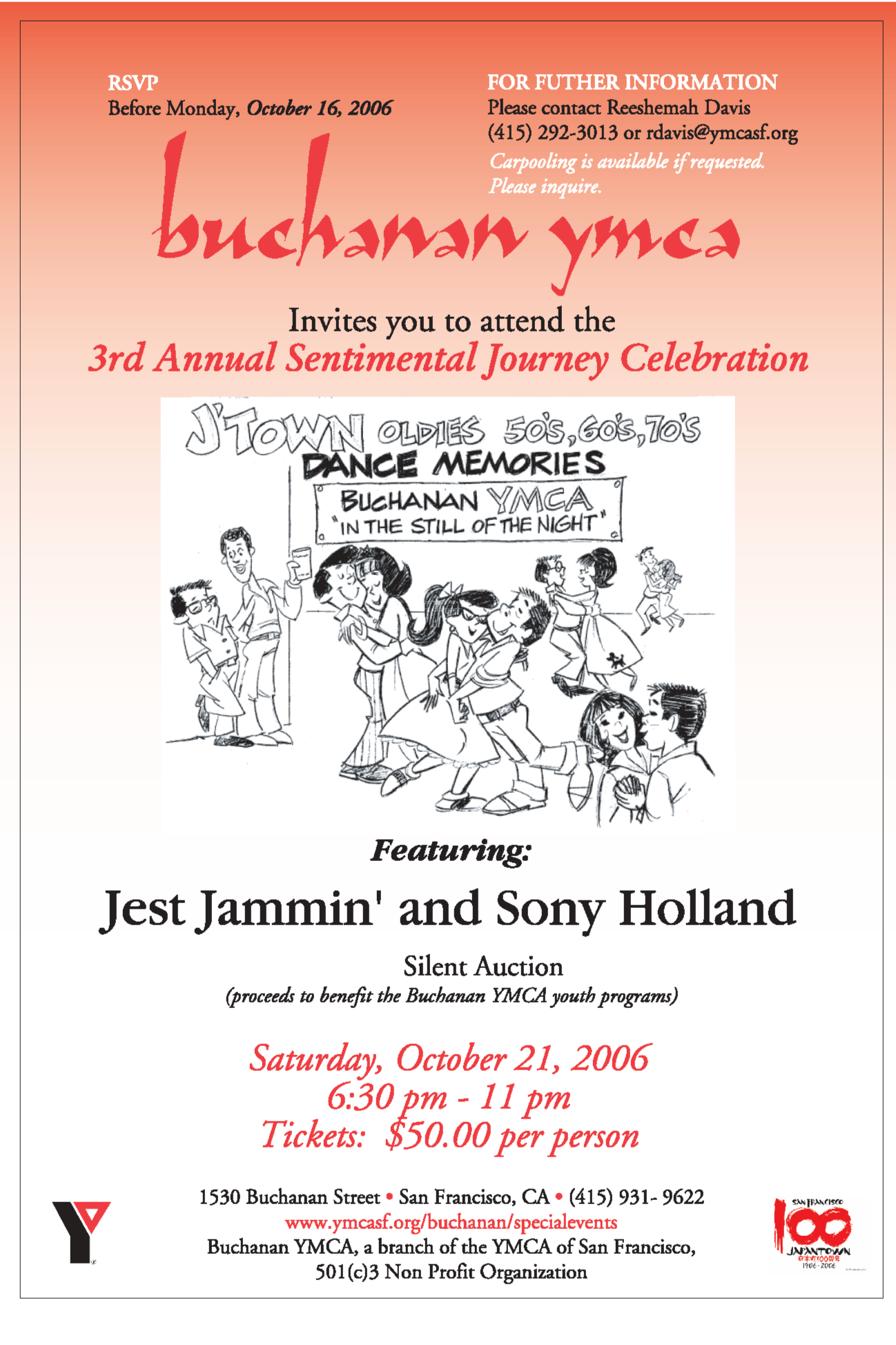
The Buchanan YMCA organized the first “Sentimental Journey” together with Tom Hoshiyama. This event marked the renewal of the Japanese American community’s relationship with the Buchanan YMCA.


2010
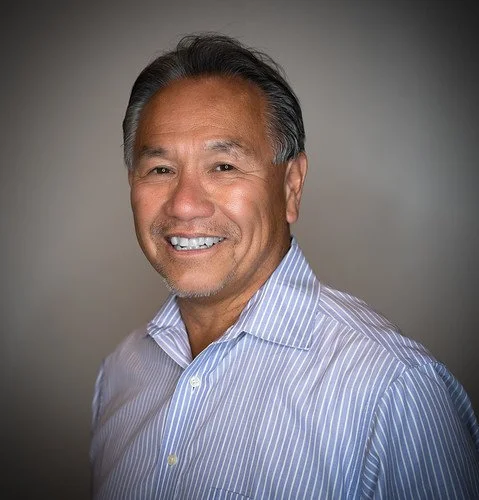
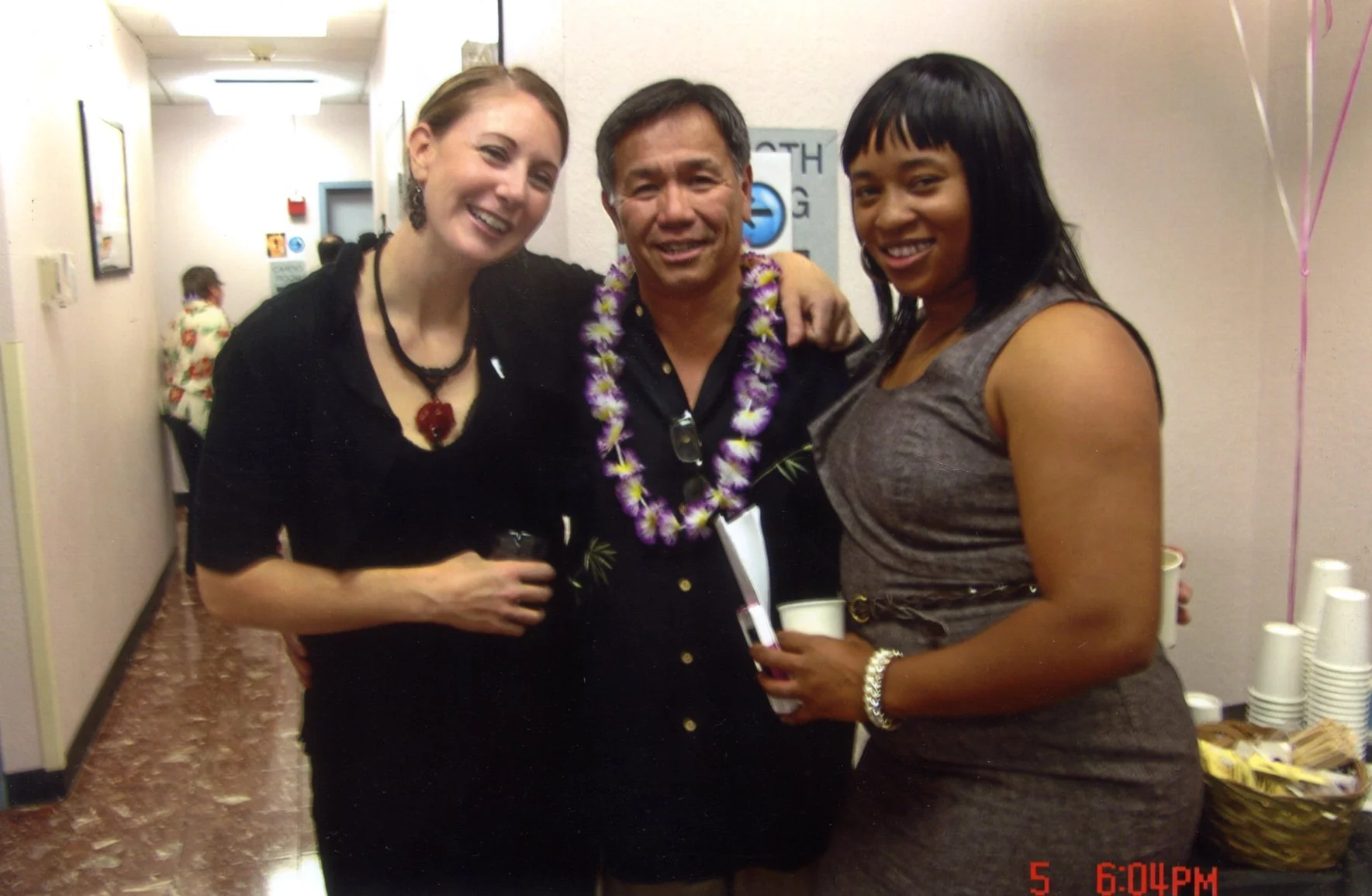
Rodney Chin became executive director.

2010s
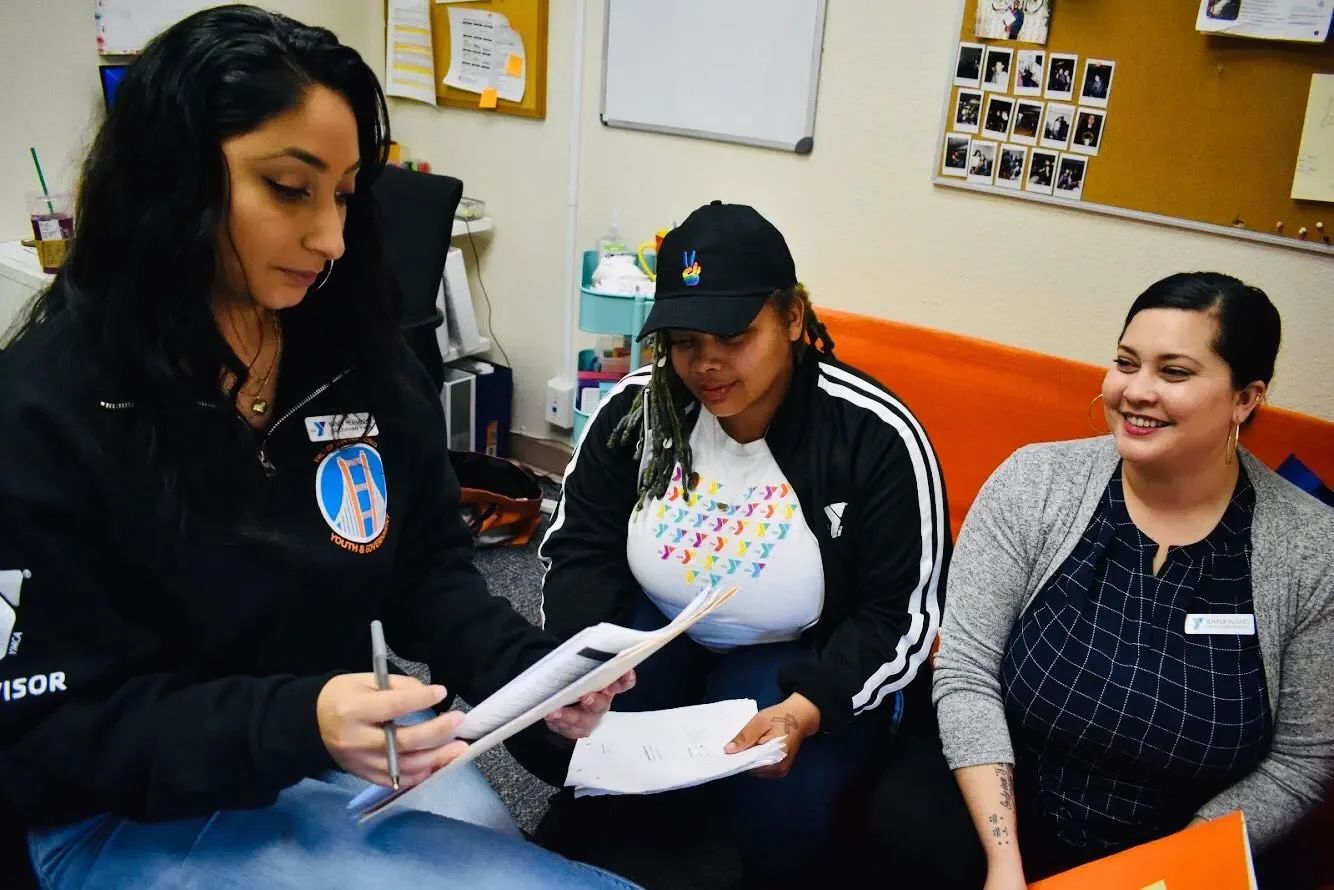
The Buchanan YMCA partnered with JCYC (Japanese Community Youth Council) and was one of nine sites in San Francisco to recruit, train, and place teens in the Mayor’s Youth Employment and Education Program (MYEEP).
2022
The Buchanan YMCA expanded beyond its facility walls to provide accessible, neighborhood-based wellness offerings, with funding from the San Francisco Human Rights Commission.

2020
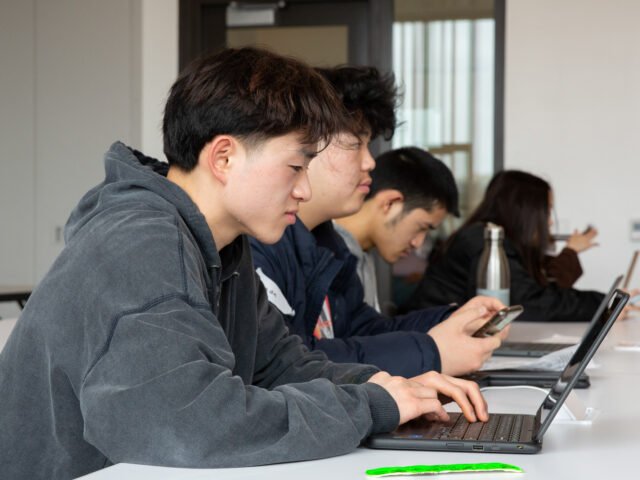
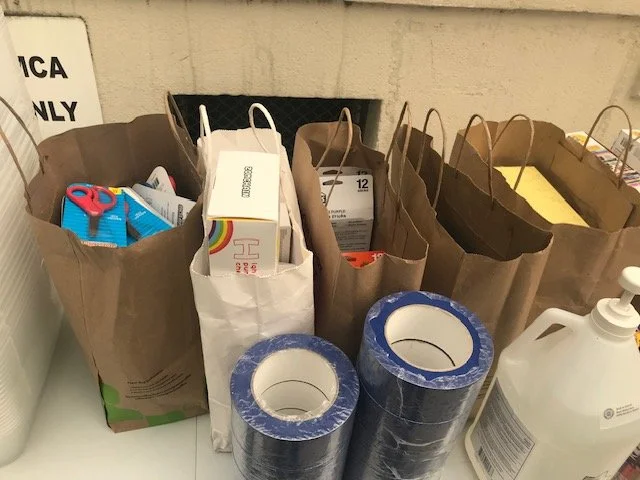
The building closed to the public on March 16, 2020, due to COVID-19 and operated with a skeleton crew. The YMCA partnered with SFUSD and the Department of Children, Youth and Their Families (DCYF) to operate learning pods, where groups of up to 25 students worked with YMCA staff who helped them participate online with their teachers and classes. UCSF also partnered with the Buchanan YMCA to operate eight pods at four locations, serving approximately 200 children of UCSF staff from elementary through middle school.
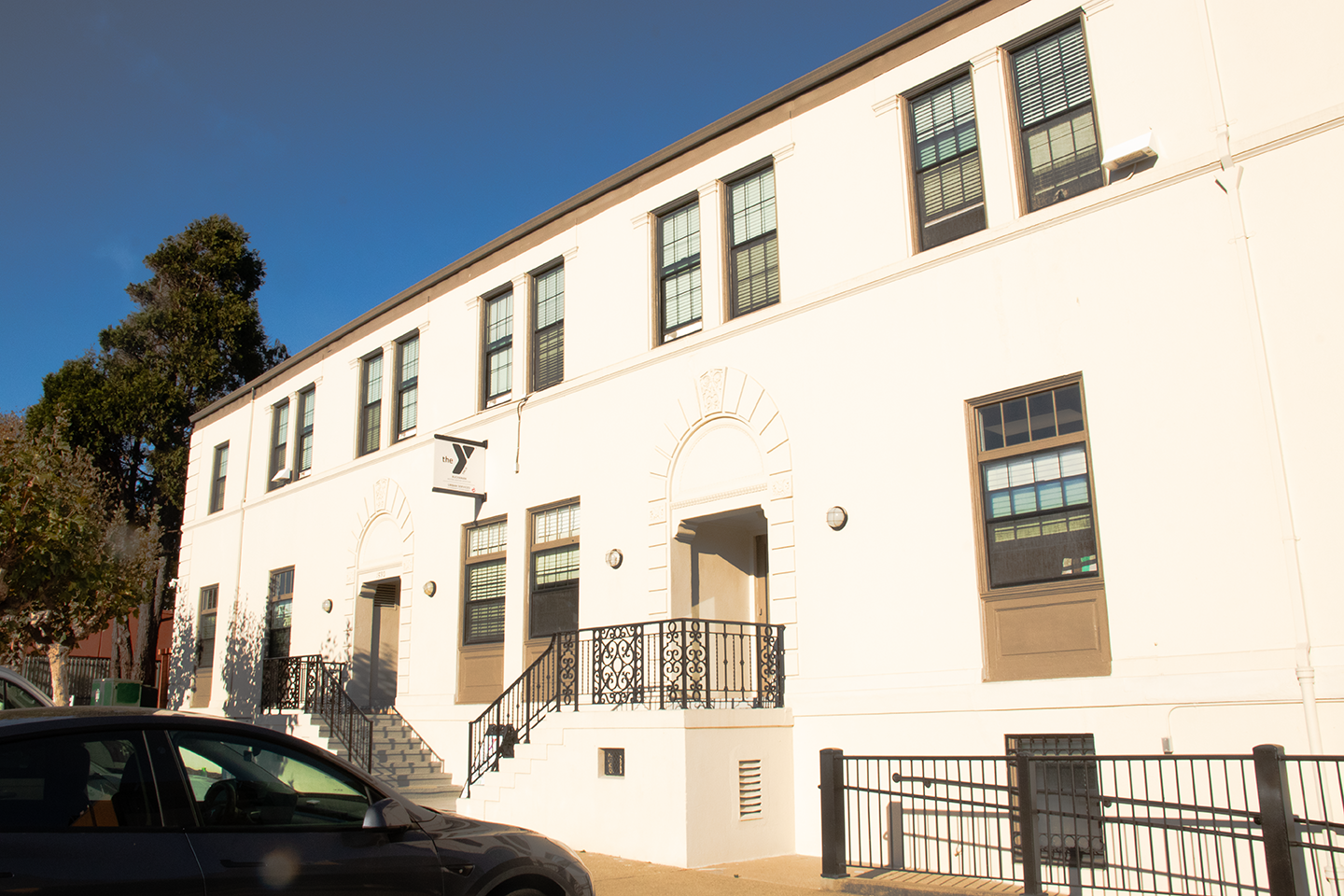
2022
Suzanne Medina began her role as executive director, a position she holds today.
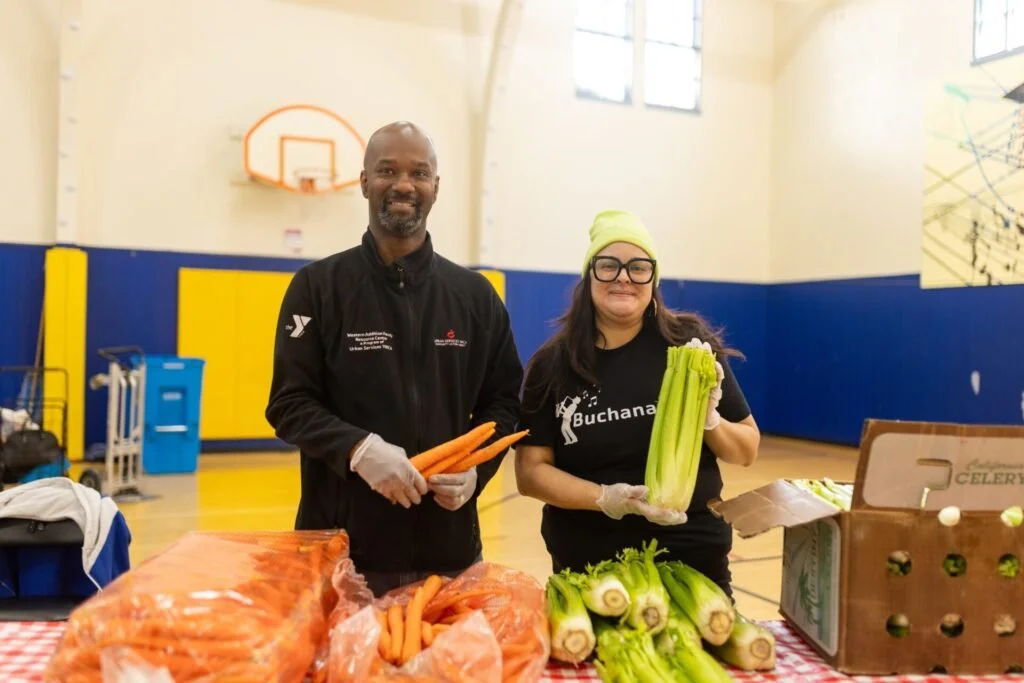
2026

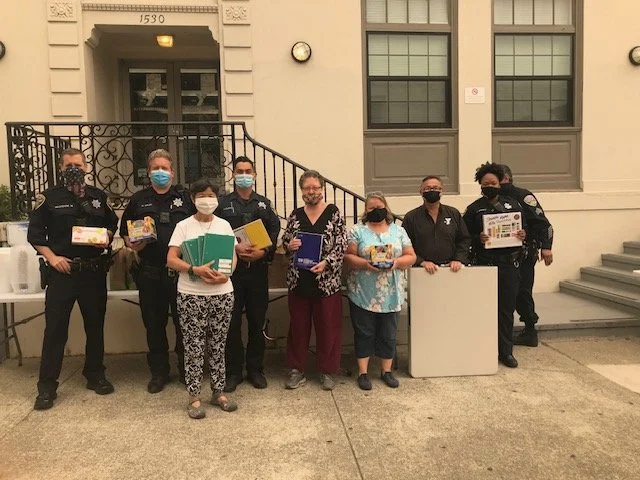
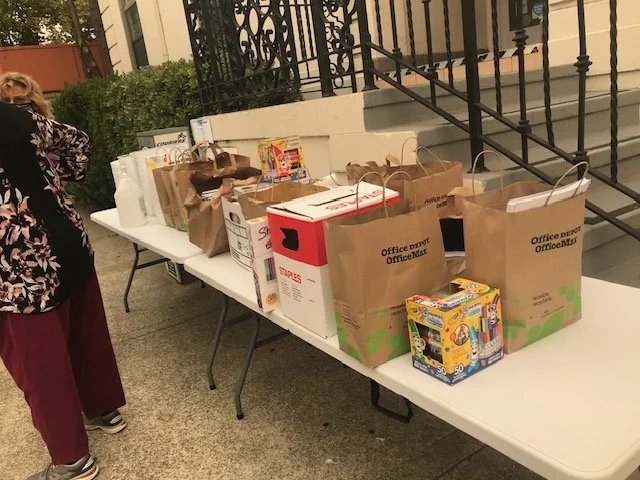
Today, the Buchanan YMCA continues to serve the needs of the community by offering after-school programs in the Western Addition: Dr. William L. Cobb, Rosa Parks, John Muir, and New Traditions. Summer and holiday camps give youth the chance to enjoy quality time and have fun while continuing to learn when school is out. For high school students, the YMCA offers job readiness training and job placement. Civic engagement programs such as Youth and Government, Mock Trial, and Model United Nations prepare young people to take part in community life, improve conditions for others, and help shape the community’s future. The YMCA also continues to address health disparities in the community including seniors. As it has for generations, the Buchanan YMCA remains a gathering place for the Western Addition, Japantown, and beyond.