1940s
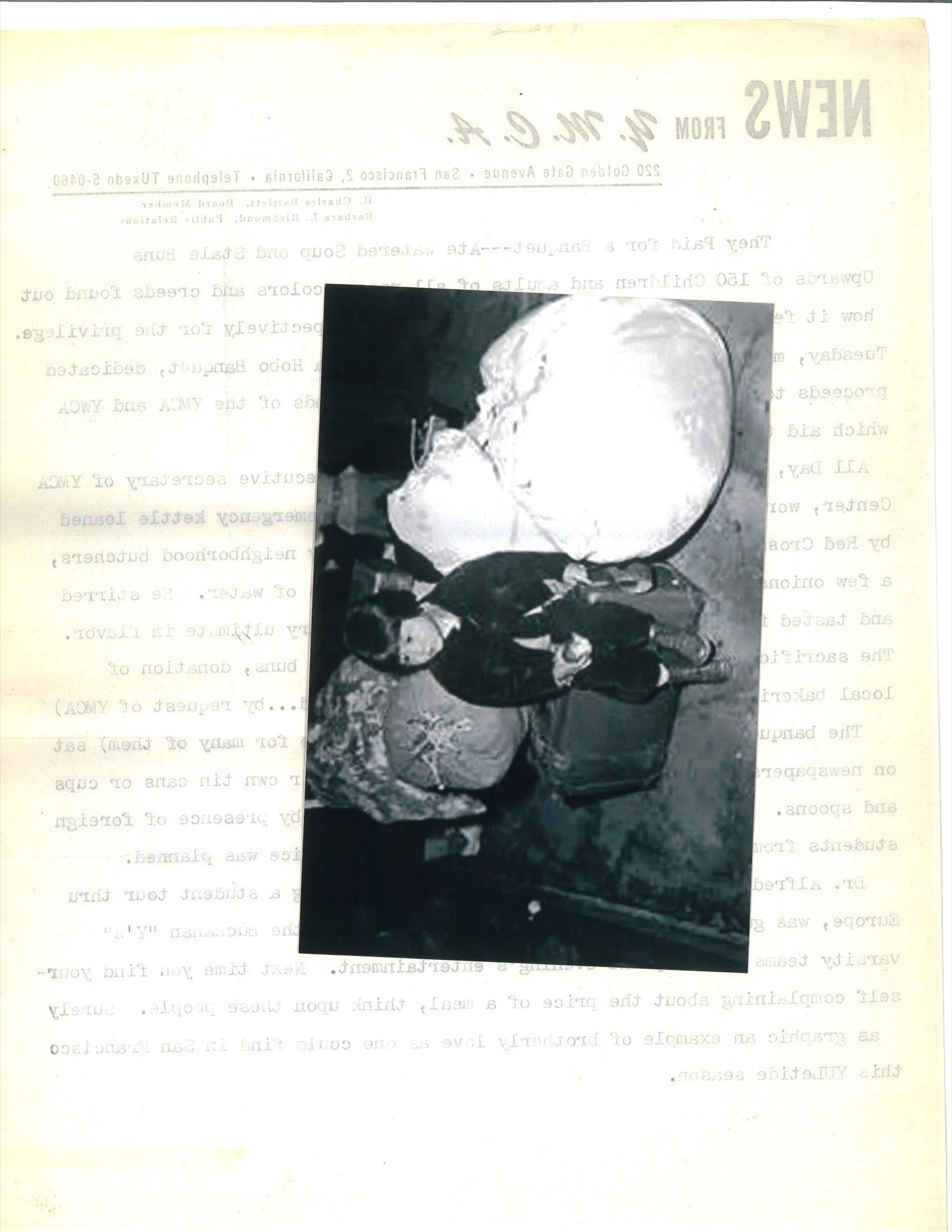
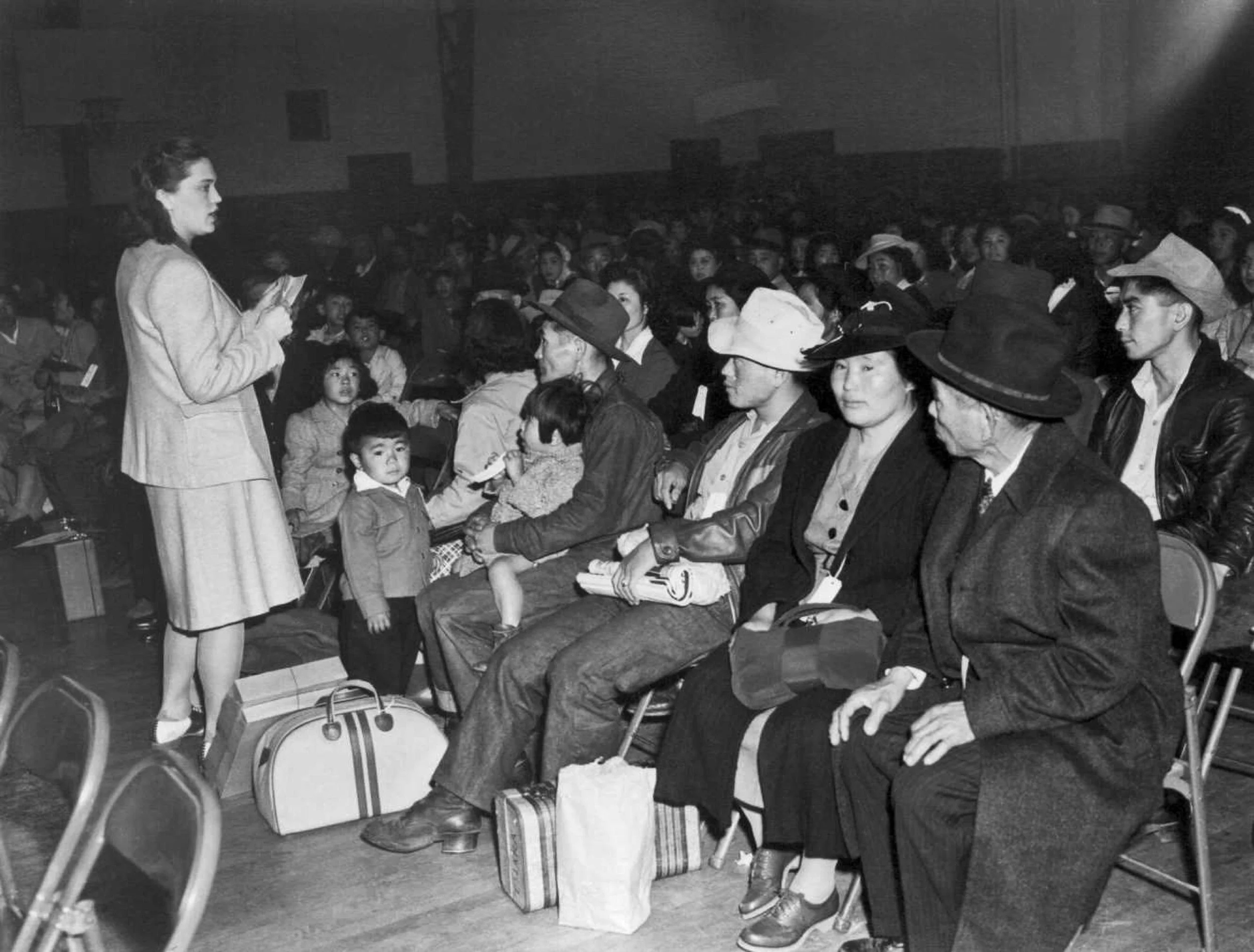
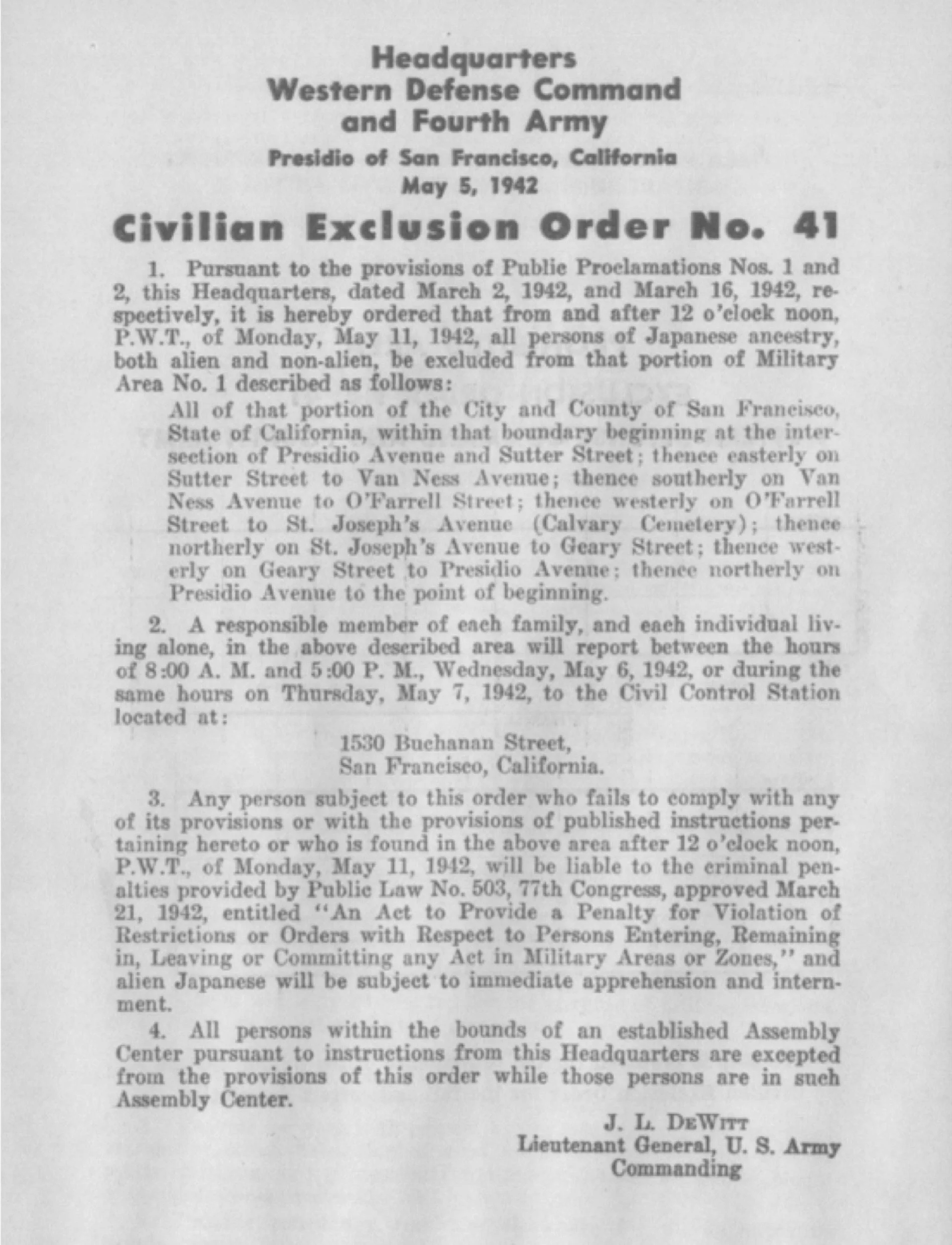
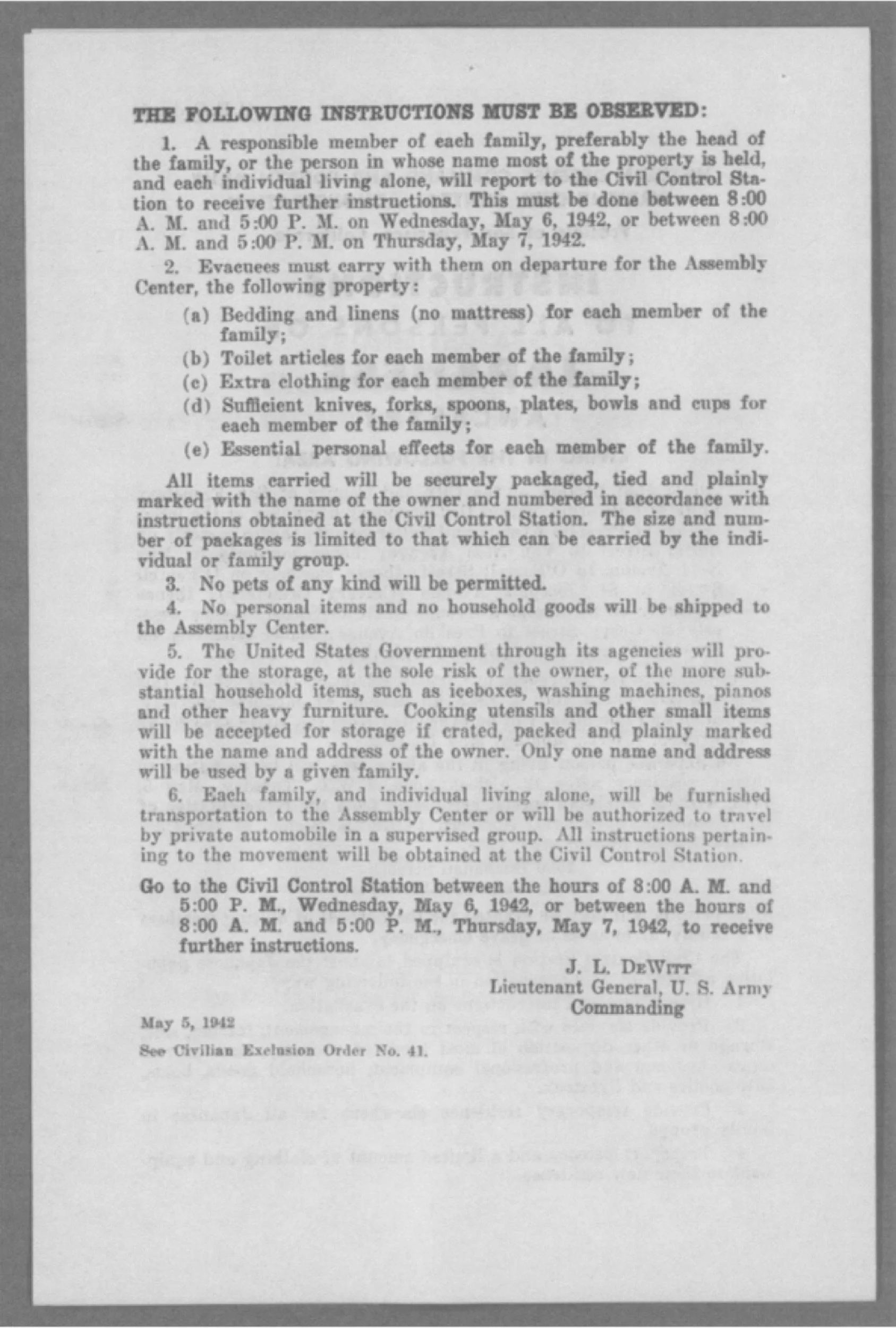
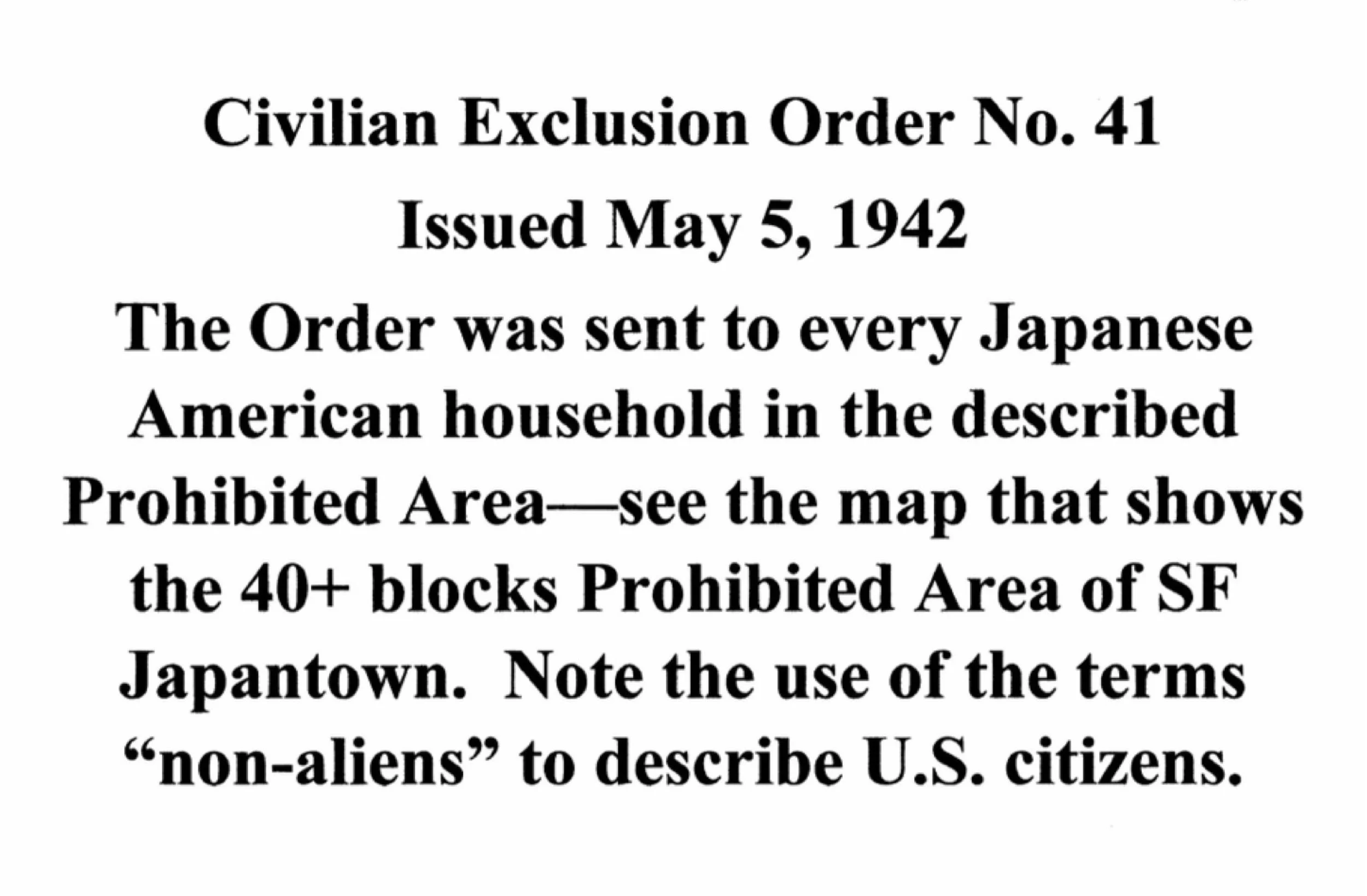
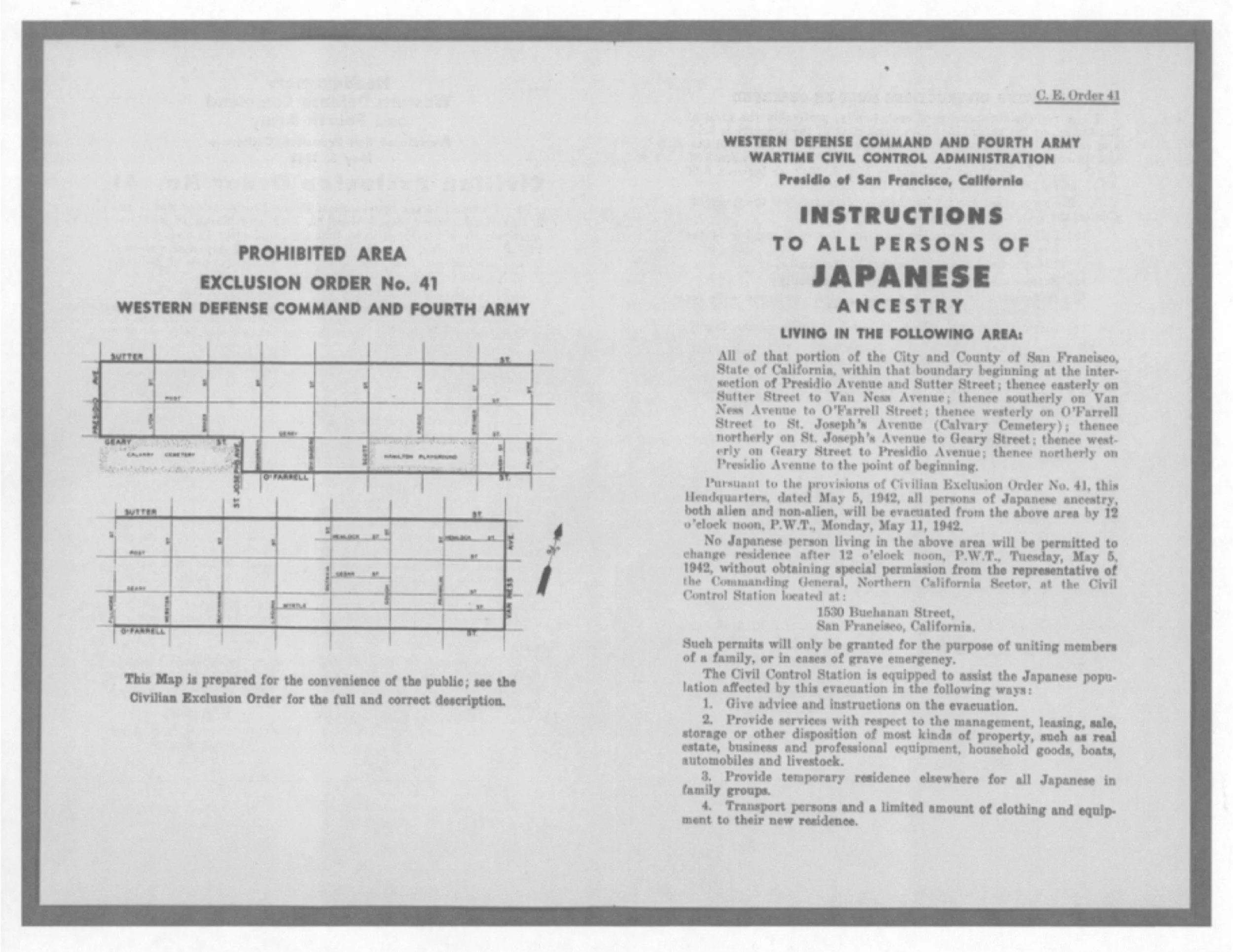
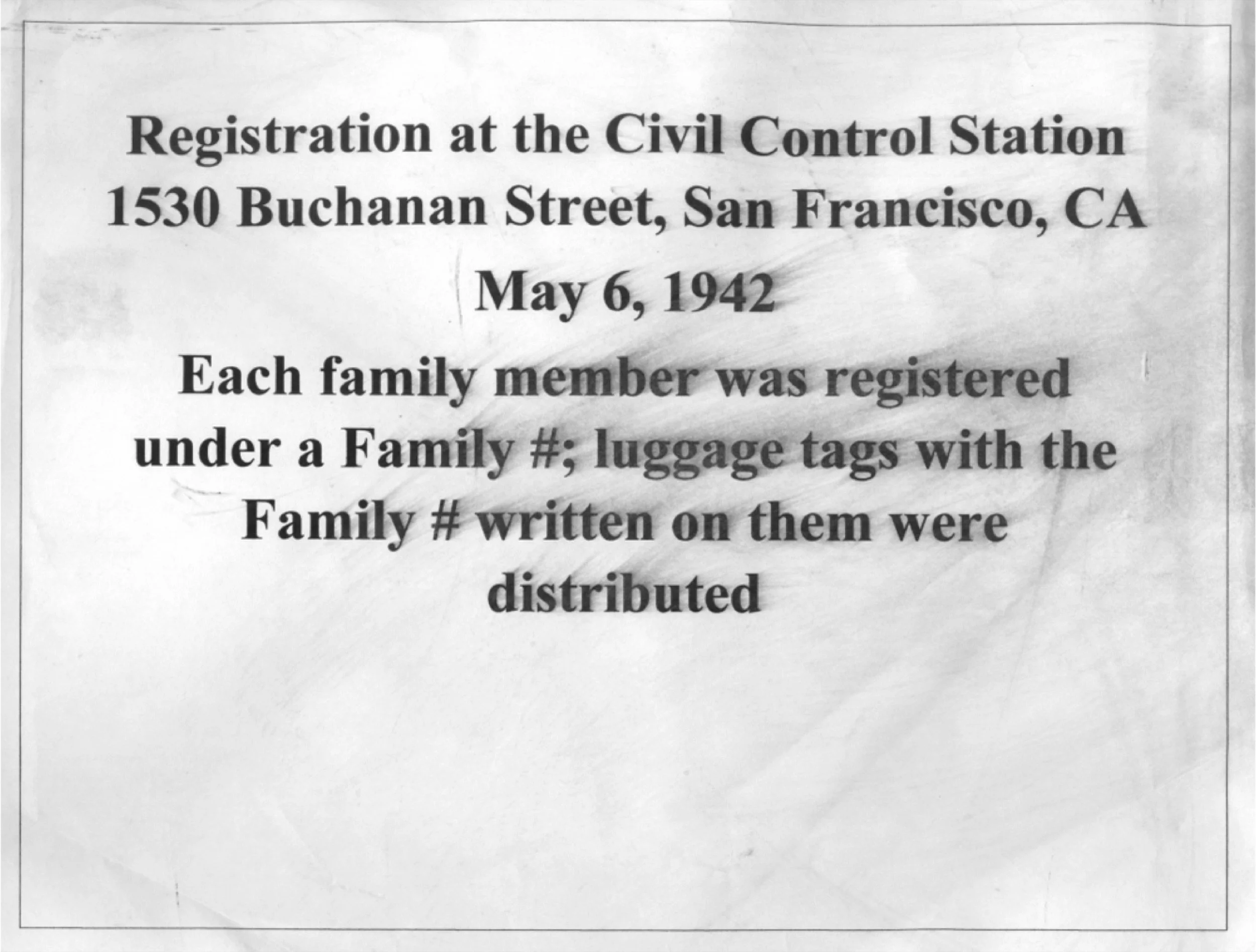
On February 19, 1942, President Franklin D. Roosevelt signed Executive Order 9066, which led to the forced removal of about 120,000 people of Japanese ancestry from the West Coast. Roughly two-thirds of them were American citizens. They had committed no crime and had no hearing. Families had only days to prepare, and many sold their homes, businesses and belongings at a loss or left them behind. In San Francisco, the Japanese YMCA on Buchanan Street, long a gathering place for the community, became a place where families registered before they were sent away. On April 28, 1942, the building was padlocked and its keys were entrusted to the Metropolitan YMCA. The next day, the removal from Japantown began.
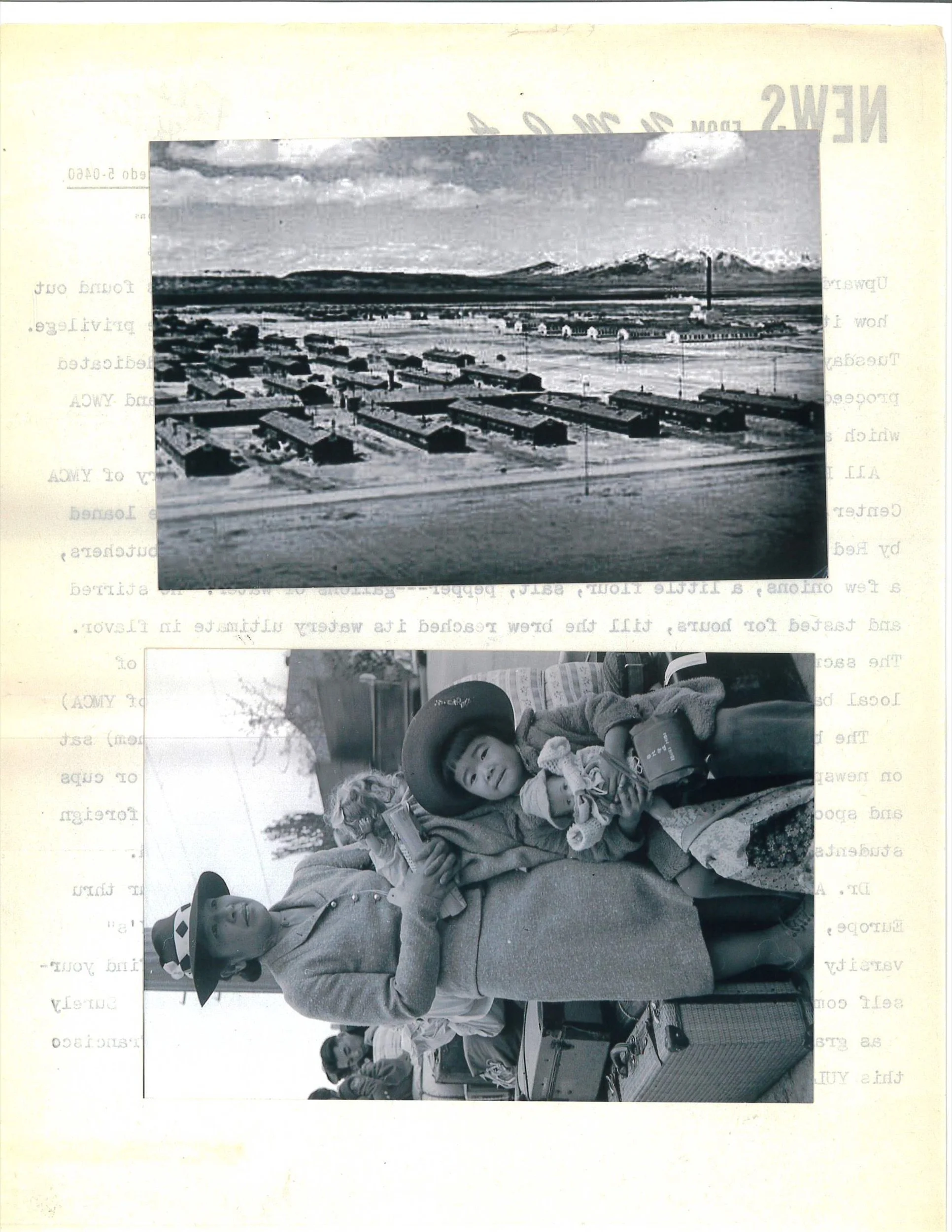
Many of the Y’s members were taken first to the Tanforan Assembly Center in San Bruno, a converted racetrack where some families lived in horse stalls. Tanforan held 7,816 people between April and October 1942. Most were then sent to the Topaz camp in the Utah desert, where they lived behind barbed wire under armed guard until 1945. When they came home, many found their homes and livelihoods gone. In 1946 the building came back to the YMCA as the Buchanan YMCA, and it served returning Japanese Americans as they rebuilt their lives. In 1988 the U.S. government formally apologized for the incarceration and paid reparations to surviving incarcerees.